









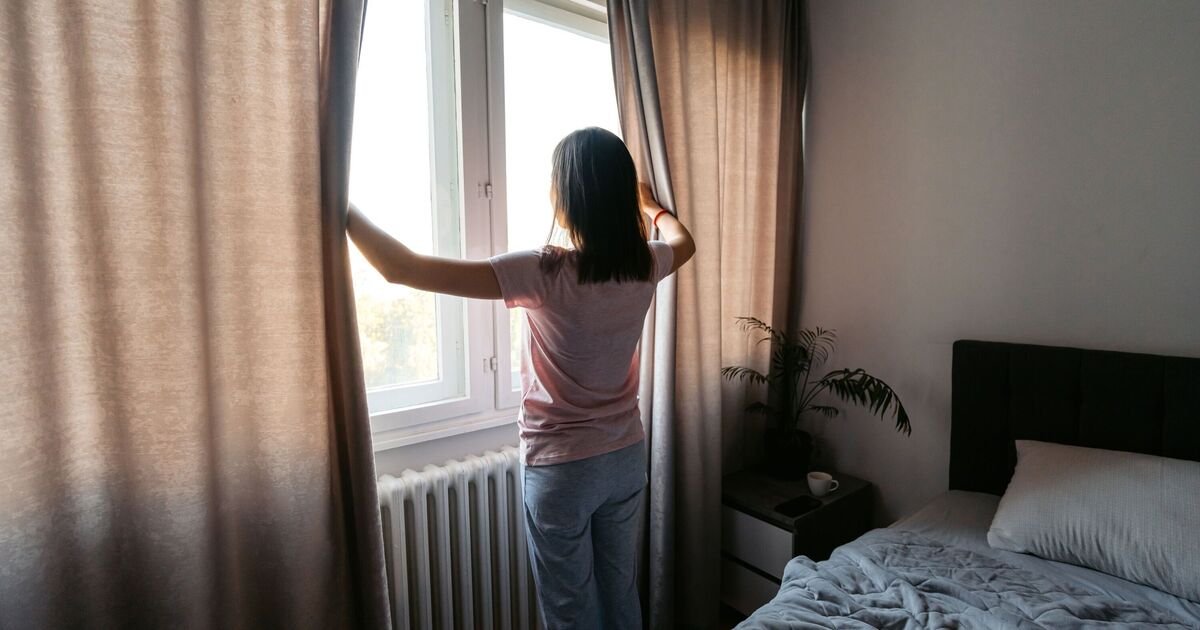
Mastering the Art of the Curtain Choreography
We all want a cozy sanctuary when the temperature drops, but often, our heating bills seem to rise faster than the thermometer. The good news is that keeping your living space toasty doesn’t always mean cranking up the thermostat or investing in expensive smart-home technology. Sometimes, the most effective tools for a warmer residence are already hanging right in front of your windows. Your curtains and blinds are silent heroes when it comes to climate control, provided you know exactly how to use them.
Think of your window dressings as a seasonal wardrobe for your walls. Just as you layer up with a coat and scarf when stepping out into the chilly air, your home needs similar layers to keep the warmth trapped inside. Many of us fall into the trap of only closing our curtains once we are ready to settle in for the night, but by then, you have already allowed hours of precious heat to escape through the glass. A simple shift in your daily routine can make a significant difference in how your home holds onto warmth.
Working with the Sun Instead of Against It
The secret to a more efficient home lies in syncing your household routine with the movement of the sun. During the daylight hours, especially when the sun is shining brightly, your windows act as natural heaters. Even on a crisp, cold day, the sunlight streaming through the glass provides free, natural warmth that can brighten your living room and take the chill out of the air.
As soon as the sun rises, pull those curtains back wide. Let the light flood in and soak up all that free energy. However, the moment the sun begins to dip—which happens much earlier in the evening these days—it is time to act. Aim to close your curtains or blinds just before the sky turns gray at dusk. By shutting out the darkness early, you are essentially sealing in the heat you captured throughout the day, preventing it from leaching out through cold glass panes. It is a simple habit that takes less than a minute but can shave a noticeable amount off your monthly utility costs.
Choosing the Right Fabric for Insulation
Not all fabrics are created equal when it comes to temperature management. While sheer or lightweight linens are wonderful for summer because they allow for a breeze and filtered light, they offer very little protection once the frost sets in. If you live in a place where winters are harsh, you might consider upgrading your window coverings.
Thermal curtains are a fantastic investment for anyone looking to increase their comfort levels. These fabrics are specifically designed with a dense, insulating layer that acts as a barrier between your room and the cold air pressing against the window. When properly installed, these heavy-duty drapes can improve your home’s insulation by nearly a quarter, which is a massive upgrade for a single household item. They provide a plush, pulled-together look while working hard to keep your space warm and inviting.
DIY Solutions on a Budget
If a complete home makeover isn’t currently on your list of priorities, you can still reap the benefits of improved insulation without spending a fortune. Creativity is your best friend when it comes to home management. If you have thin, decorative curtains that you absolutely love but that fail to keep the cold out, you can easily turn them into thermal barriers yourself.
Take a look at what you already have in your linen closet. Old bath towels or thick blankets, while perhaps not the most elegant choice for a formal living room, are perfect for the back of bedroom curtains or areas where you need an extra layer. Simply use safety pins to attach these layers to the backside of your existing curtains. This creates a dual-layer effect that mimics the performance of expensive thermal treatments. During the day, open them to let the light in, and at night, draw them shut to keep the warmth tucked safely inside. It is a practical, resourceful way to ensure your home remains a comfortable refuge from the winter weather.
Disclaimer: This content is auto-generated for informational purposes only.
Source: Read Original News