








From Campus Tradition to Retail Behemoth: How China’s ‘Singles’ Day’ is Reinventing Itself
What started as a niche, tongue-in-cheek celebration among university students in China has evolved into an economic engine of global proportions. Observed on November 11—a date chosen for its numerical symbolism of four ones—Singles’ Day was originally conceived in 1993 at Nanjing University as a “Bachelors’ Day.” It was a lighthearted response to traditional holidays centered on couples, providing a space for single men and women to celebrate their independence through gifts and social gatherings.
The Commercial Transformation
The shift from a social observance to a commercial juggernaut occurred in 2009, when e-commerce giant Alibaba pivoted the concept toward consumerism. By rebranding the day with a bold marketing pitch—encouraging shoppers to “treat themselves” because they didn’t have partners—the company successfully tapped into a new cultural nerve.
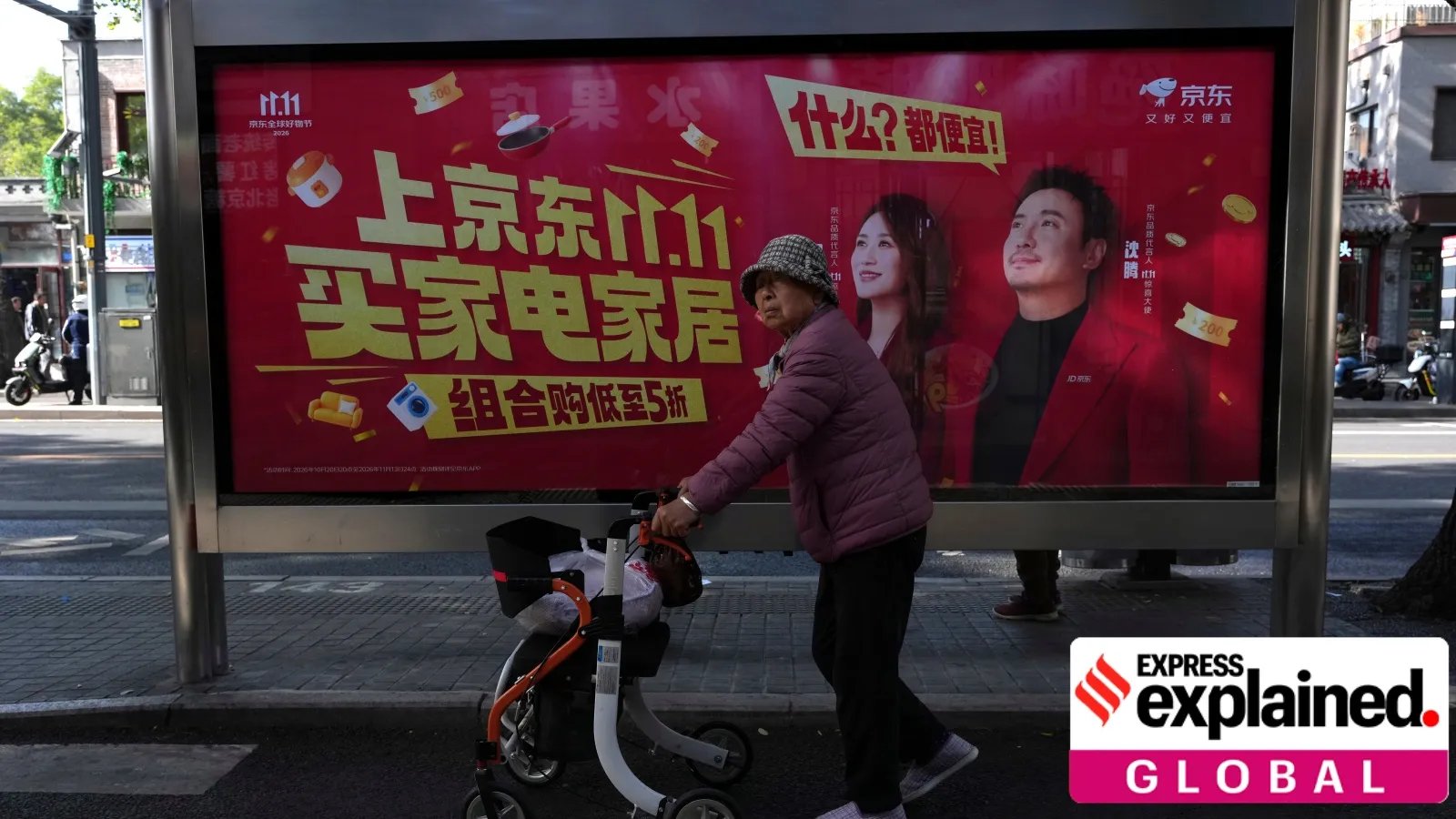
This transformation faced initial criticism from cultural researchers, who argued it commodified personal status. Yet, the commercial success was undeniable. The event expanded rapidly, drawing in major competitors like JD.com and social commerce platforms like Douyin, eventually becoming the world’s largest online shopping festival. By 2025, sales during the extended campaign reached nearly 1.7 trillion yuan (approximately $254 billion), cementing its status as an unparalleled retail phenomenon.
A Tech-Driven Pivot
Today, the festival is undergoing a profound metamorphosis. As Chinese consumers navigate a period of economic caution, marked by a downturn in the property sector and a growing “discount fatigue,” retailers are no longer relying on simple flash sales to drive interest. Instead, they are turning to sophisticated artificial intelligence to keep the momentum alive.
Artificial intelligence has become the backbone of the modern Singles’ Day experience. Major platforms have deployed AI-powered chatbots to provide personalized product recommendations and shopping advice, while virtual try-on tools allow consumers to experience products digitally before committing to a purchase. The impact of this technology is significant: JD.com’s AI assistant, “Dongdong,” reportedly engaged nearly 80 million users during the most recent cycle, providing guidance that platforms hope will translate into higher conversion rates.
Furthermore, AI has become a product category in its own right. The market has seen a surge in interest for AI-integrated toys, companion robots, and prepaid tokens that grant users access to AI services, signaling that technology is no longer just a sales tool—it is the merchandise itself.
Future Challenges
Despite the integration of cutting-edge technology, the festival faces stiff headwinds. With the promotional period now stretched over several weeks, the sense of urgency that once defined the “11/11” phenomenon has naturally diluted. Recent data suggests that overall growth in spending is slowing, with sales rising only 2.4% during the core October period in the 2026 campaign.
Beyond the shifting consumer sentiment, retailers are also grappling with the environmental footprint of such massive logistical efforts. Increased transport emissions and the waste generated by mountains of packaging have prompted a push toward sustainable delivery practices and eco-friendly materials. As Singles’ Day enters this new chapter, its survival will likely depend on whether retailers can continue to balance high-tech personalization with the changing expectations of a more selective, cost-conscious generation of shoppers.
Disclaimer: This content is auto-generated for informational purposes only.
Source: Read Original News