







In communities where socioeconomic and racial segregation remains high, the disparity in educational expectations is stark. A recent analysis highlights a critical, often overlooked dimension of this divide: the environment of the school itself is intrinsically linked to how many years of schooling parents believe their children will ultimately complete. This finding suggests that school-level factors—ranging from infrastructure and local prestige to the socioeconomic composition of the student body—function as a primary lens through which parents calibrate their children’s future academic trajectory.
The research indicates that the “neighborhood effect” is significantly amplified by the specific school a child attends. In highly segregated urban and suburban landscapes, schools act as institutional mirrors of the surrounding geography. When a school is perceived as under-resourced or socially isolated, parental expectations often recalibrate downward, regardless of the individual student’s capability. This phenomenon suggests that educational aspirations are not merely a product of home culture or individual ambition, but are profoundly shaped by the perceived “educational ceiling” established by the institution.
Sociologists have long argued that parental expectations are the most potent predictor of a child’s future academic success. However, this study shifts the focus from the home to the school building itself. In districts where segregation is high, the school environment serves as a signaling mechanism. Parents in affluent, integrated, or high-performing school zones tend to view higher education—often extending through master’s or doctoral degrees—as an inevitable milestone. Conversely, in segregated environments where schools struggle with high turnover and limited extracurricular opportunities, the “expected” duration of schooling is frequently capped at a high school diploma or a two-year vocational certificate.
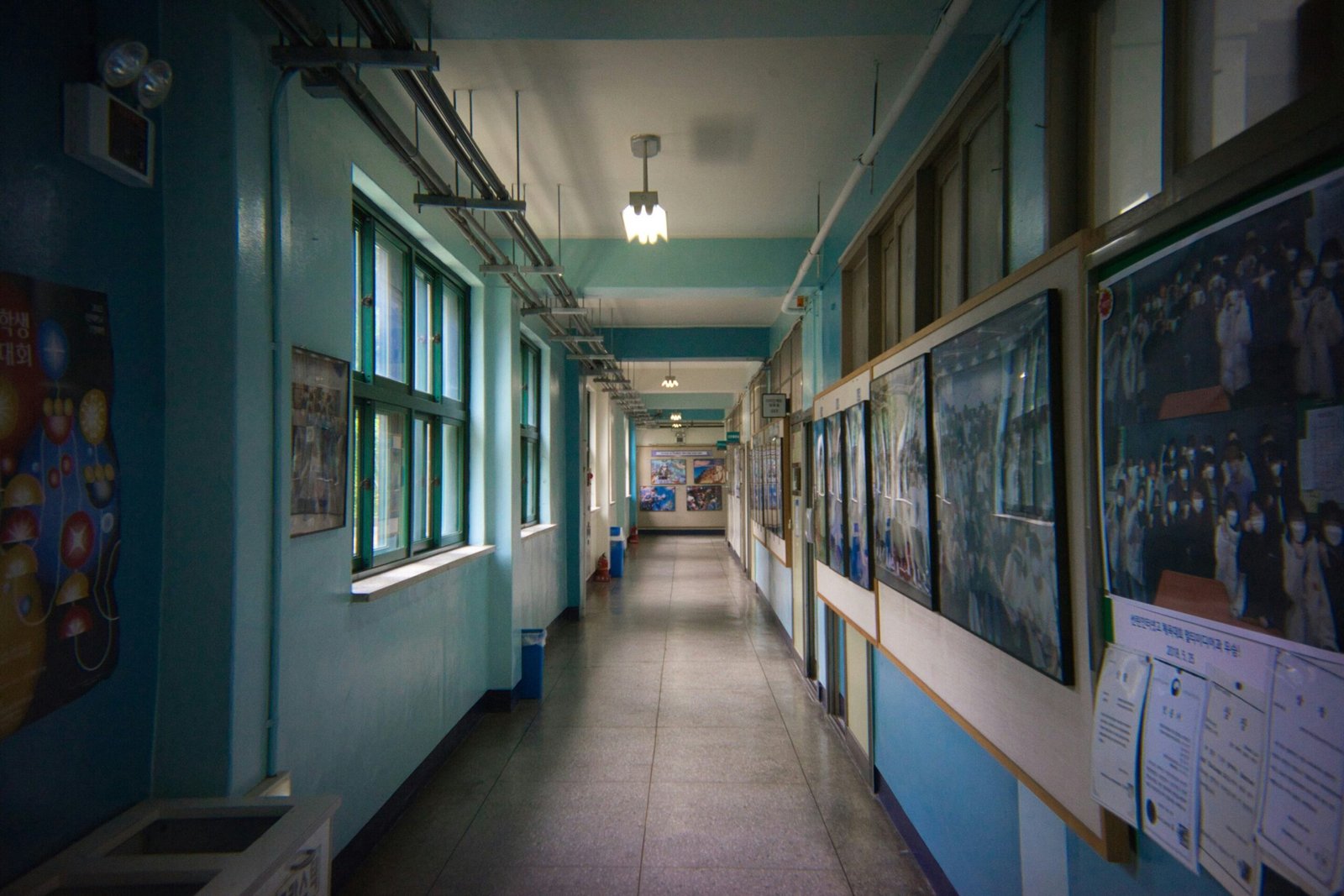
The environmental psychology of the school facility plays a quiet but pervasive role. Dilapidated infrastructure, a lack of green space, and the absence of advanced placement programs collectively communicate a message about the value society places on the students within. When a child attends a school that lacks the visual and functional markers of academic rigor, parents are statistically more likely to adjust their expectations to match the reality of their surroundings. This creates a feedback loop: lower expectations can lead to less parental involvement in academic planning, which further cements the school’s status as a low-opportunity zone.
Furthermore, the “social capital” present in the school environment—the network of teachers, peer groups, and alumni—is rarely distributed equally. In highly segregated districts, schools often lack the robust alumni networks or professional connections that help students navigate the transition to higher education. For parents, the absence of these tangible pathways makes the prospect of a lengthy academic career seem less attainable. The school, therefore, acts as an environmental barrier; it shapes the horizon of possibility for families by restricting access to the information and social cues necessary to envision long-term academic success.
Experts note that this environmental inequity reinforces the cycle of generational poverty. If parental expectations are fundamentally constrained by the school’s socioeconomic status, educational policy must look beyond classroom instruction and address the structural segregation of school districts. To move the needle, interventions must focus on de-concentrating poverty and ensuring that school environments provide a consistent quality of academic infrastructure, regardless of the neighborhood’s socioeconomic standing.
As policy discussions increasingly turn toward educational equity, this evidence reinforces a crucial point: addressing the “achievement gap” requires more than just testing and teacher training. It necessitates a holistic look at the school environment itself. If the physical and social walls of a school are allowed to remain markers of segregation, those same walls will continue to define the limits of what parents expect for their children, effectively predetermining the educational outcomes of the next generation before they ever reach the university level. Providing a high-quality, resource-rich environment is not merely a matter of comfort; it is a fundamental prerequisite for leveling the playing field of academic ambition.
Disclaimer: This content is auto-generated for informational purposes only.
Source: Read Original News