


BAGHDAD — In a significant move toward national environmental restoration, Acting Minister of Higher Education and Scientific Research, Abdul Hussein Al-Moussawi, has convened a high-level committee to accelerate the clearing of radioactive remnants across Iraq. The initiative, which encompasses all provinces including those within the Kurdistan Region, aims to eliminate long-standing contamination threats and secure a safer future for the nation’s populace and ecological landscape.
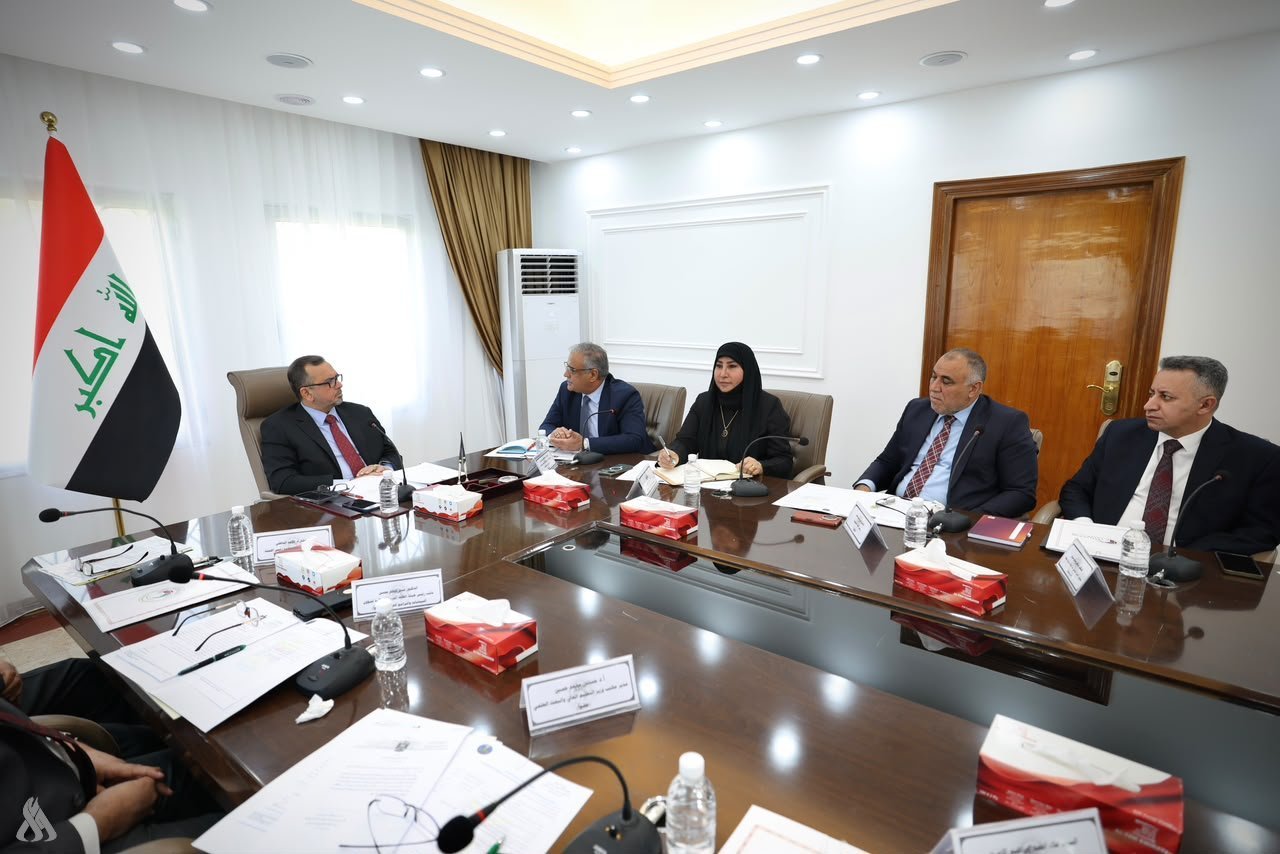
During the meeting, held this Sunday in Baghdad, Al-Moussawi emphasized that addressing radioactive pollution requires a unified, multi-agency approach. The committee, tasked with the systematic identification and remediation of contaminated sites, reviewed the current operational mechanisms required to conduct safe and efficient clearance procedures.
The scope of the mission is vast, involving the coordination of scientific, technical, and security entities. By integrating the efforts of various governmental bodies, the committee aims to implement rigorous radiological safety and security standards. According to the Ministry of Higher Education’s statement, the primary objective is to harmonize the roles of researchers, environmental experts, and security personnel to ensure that clearance operations do not inadvertently pose risks to the communities they are meant to protect.
The committee’s composition reflects the complexity of the task, bringing together a diverse array of national experts and institutions. In addition to the Ministry of Higher Education and Scientific Research, the meeting featured key representatives from the National Authority for Nuclear, Radiological, Chemical and Biological Control, the Ministry of Environment, and the Iraqi Atomic Energy Commission. Furthermore, the presence of the General Secretariat of the Council of Ministers, the Office of the Commander-in-Chief of the Armed Forces, and the Popular Mobilization Forces highlights the logistical and security challenges inherent in accessing and decontaminating hazardous areas.
The inclusion of representatives from Babil Governorate underscores the localized focus of this national project. By involving provincial leadership, the committee hopes to better manage site-specific interventions and ensure that decontamination efforts are effectively communicated to local populations.
Addressing the participants, Al-Moussawi underscored the urgency of the mission, framing the eradication of radioactive contamination not merely as a technical necessity, but as a fundamental obligation to public health. The presence of radioactive remnants—often the legacy of decades of conflict and industrial instability—remains a critical impediment to land use and community safety in various regions of the country.
The committee discussed the implementation of international best practices for radiological safety, ensuring that all clearing activities adhere to strict protocols designed to protect workers and the surrounding environment from radiation exposure. A core component of the discussions involved the integration of technical data and supervisory roles, aiming to create a centralized system of accountability for each targeted site.
As the committee moves into the next phase of its operations, the focus will likely remain on enhancing the surveillance of contaminated hotspots and streamlining the coordination between the scientific community and the security apparatus. By prioritizing a scientific and transparent approach, the Iraqi government aims to systematically reduce the radiological burden that has affected various parts of the country for years.
The success of this initiative will rely on the sustained collaboration of all involved ministries and agencies. Through the standardization of radiological control procedures and the deployment of specialized teams across the provinces, the committee intends to reclaim land and resources that have long been off-limits due to the invisible, persistent threat of radiation, ultimately setting a new standard for environmental safety and public protection in Iraq.
Disclaimer: This content is auto-generated for informational purposes only.
Source: Read Original News