






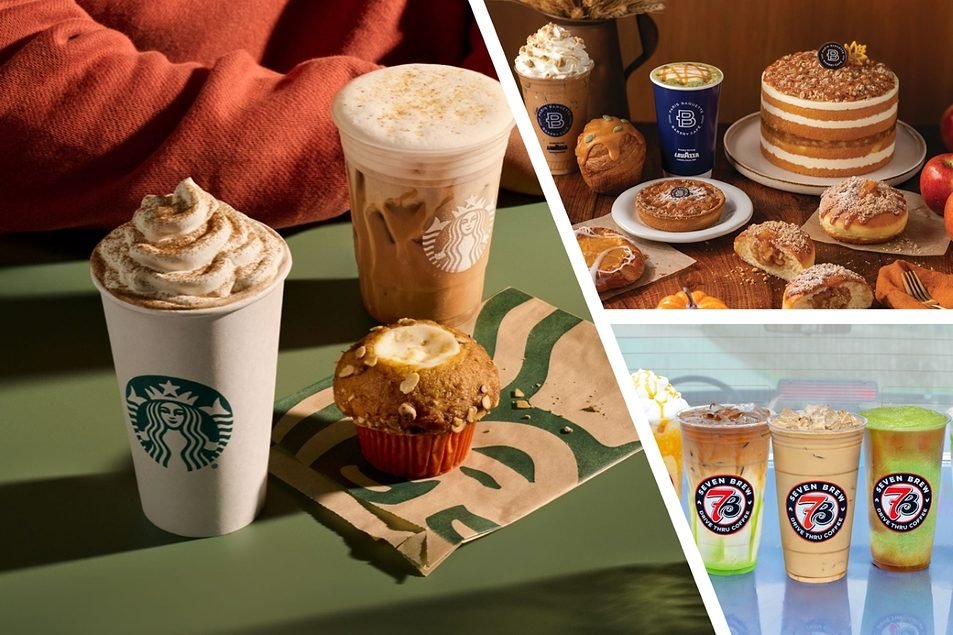
As the autumn season settles in, the food and beverage industry is once again proving that the “pumpkin spice” phenomenon is far from cooling down. Despite years of market saturation, data reveals that pumpkin-centric innovation remains a primary driver for fall menu planning, serving as a reliable anchor for consumer engagement. While pumpkin spice retains its crown, it is increasingly being flanked by a broader spectrum of seasonal flavors, signaling a shift toward more diversified fall-inspired product rollouts.
## The Resilience of Seasonal Flavor Profiles
In the modern retail and restaurant landscape, seasonal marketing is not just a trend—it is a calculated strategy for revenue growth. According to industry tracking, brands continue to invest heavily in pumpkin spice, knowing that it acts as a cultural touchstone that signals the start of the holiday season to consumers.
However, this year’s innovation cycle highlights a clear effort to expand the “fall palate.” Market analysts point to a rising surge in caramel apple and pecan-based offerings. These flavors are effectively capturing the segments of the consumer base that seek seasonal variety without the ubiquitous pumpkin profile. By diversifying their catalogs, manufacturers are finding ways to extend the “fall window,” keeping consumer interest piqued well beyond the traditional early-October peak.
## AI and Data-Driven Menu Forecasting
Behind the scenes of these seasonal menu shifts, artificial intelligence and predictive analytics are playing an increasingly vital role. Leading food producers are now utilizing machine learning algorithms to process vast datasets—including social media sentiment, historical sales trends, and regional purchasing patterns—to determine exactly when to launch these limited-time offers.
This AI-integrated approach helps companies minimize waste and maximize the impact of their inventory. By predicting the “crossover point”—the moment when a specific region’s demand for pumpkin spice surges—firms can optimize supply chains to ensure fresh ingredients hit shelves exactly when consumer craving is at its highest. This technology also allows for rapid testing of “flavor combinations,” where AI can predict the viability of secondary profiles like spiced pear or maple-bourbon before they are fully scaled for mass production.
## Technology’s Role in Consumer Engagement
The way these seasonal products are promoted has also seen a significant technological shift. Brands are leveraging sophisticated digital platforms and mobile app personalization to push seasonal notifications to specific user demographics.
Google’s evolving search and discovery tools—which now leverage AI-powered summaries—are also changing how consumers locate these seasonal items. As users search for terms like “best fall drinks near me” or “limited edition autumn snacks,” the search experience is becoming more personalized and image-heavy, reflecting the trends seen in industry slideshows and visual marketing campaigns.
Furthermore, the integration of retail media networks allows these food brands to target consumers more accurately than ever before. When a customer searches for grocery items online, proprietary algorithms can serve ads for seasonal pumpkin or pecan products based on past purchasing behavior. This cycle of innovation, backed by data, ensures that the fall flavor season remains as lucrative for companies as it is popular with consumers.
As we move deeper into the final quarter of the year, the combination of traditional crowd-pleasers and high-tech market forecasting suggests that the fall flavor industry will continue to be a dominant force in the broader food business ecosystem. With AI handling the logistics of timing and discovery, the future of seasonal trends looks less like a guessing game and more like a precise, data-backed science.
Disclaimer: This content is auto-generated for informational purposes only.
Source: Read Original News