





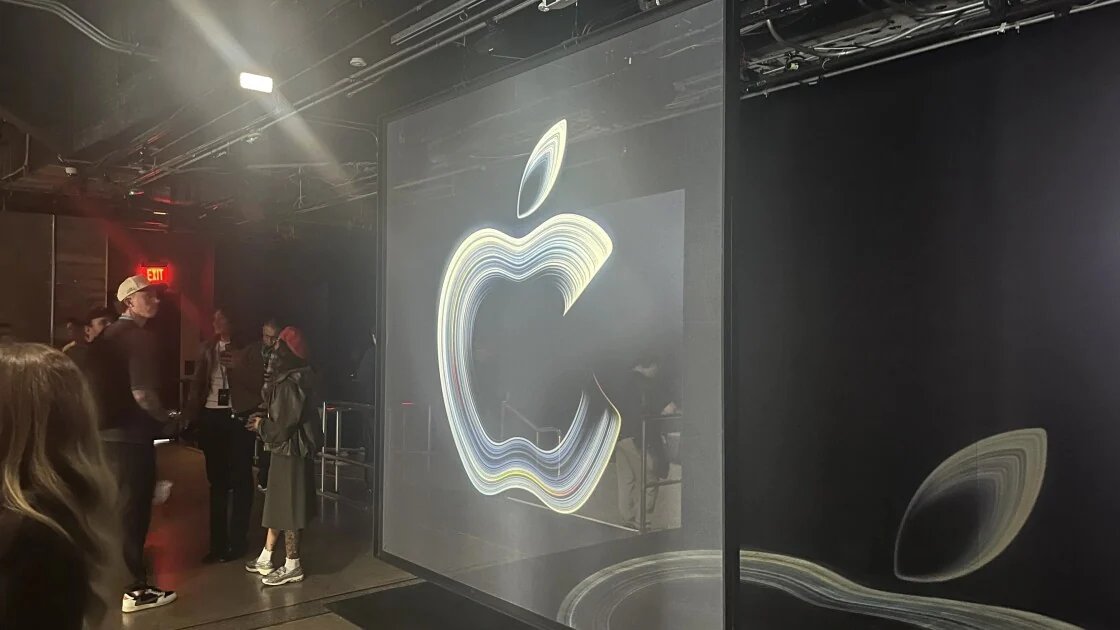
Apple has officially entered a new hardware era, marking a significant shift in its computing strategy. At the “Pro and Tell” event held in Los Angeles this week, the company unveiled its first-ever touch-screen MacBook Pro models. This long-rumored development finally brings direct physical interaction to the Mac line, paired with high-performance hardware and a display technology that signals a departure from the company’s traditional laptop design philosophy.
The Arrival of Touch-Screen MacBook Pros
The highlight of the event was the introduction of the new 14-inch and 16-inch MacBook Pro models. Departing from years of resistance toward touch-enabled laptops, Apple has integrated a touch-sensitive interface into these machines. The implementation feels familiar, drawing heavily from the interaction patterns established by the iPhone and iPad.
These devices utilize a sophisticated Tandem OLED display technology, which is designed to deliver high brightness, contrast, and color accuracy while maintaining the responsiveness required for touch input. The integration of the display with macOS appears seamless, with the interface adapting to touch-based navigation. Furthermore, the new laptops incorporate the Dynamic Island, which provides a functional, interactive space at the top of the screen that can trigger actions like summoning the macOS search bar with a simple tap.
Performance and Technical Specifications
Under the hood, these machines are powered by Apple’s latest M5 series of silicon—specifically the M5 Pro and M5 Max chips. These processors continue the company’s trend of prioritizing unified memory architecture and energy efficiency. The base configurations for both the 14-inch and 16-inch models start with 24GB of unified memory and 1TB of solid-state storage, catering to professional workloads that demand significant resources.
The display remains a standout feature, supporting variable refresh rates from 10Hz to 120Hz, ensuring both battery efficiency and smooth performance for creative applications. Externally, Apple has opted for a refined design that is both thinner and lighter than previous iterations. Despite the reduction in chassis volume, the 14-inch model maintains a weight of 3 pounds, while the 16-inch model sits at 4 pounds. Additionally, the company has reintroduced the illuminated lid logo, a aesthetic detail that many long-time users had missed.
Expanded Product Ecosystem Updates
While the touch-screen MacBook Pro dominated the headlines, the “Pro and Tell” event also served as a stage for broader portfolio updates announced earlier in the week. The M6 chip, distinct from the M5 chips found in the MacBook Pros, has made its debut in the updated iMac desktop. This all-in-one refresh is primarily an internal component upgrade, offering significant performance boosts for everyday tasks, alongside modern connectivity standards including Wi-Fi 7 and Bluetooth 6.
Complementing these announcements was the reveal of a refreshed iPad mini. The updated tablet now features an OLED display and a thinner industrial design. However, this upgrade comes with a notable increase in the entry-level price, now starting at $699. For those operating at the extreme end of the professional market, Apple also released a high-spec Mac Studio, which can be configured with up to 512GB of RAM. The pricing for such a configuration is substantial, reflecting the specialized nature of the hardware for industry-level computational work.
Pricing and Market Impact
The new technology comes at a premium. The entry-level 14-inch touch-screen MacBook Pro starts at $2,899, while the 16-inch model begins at $3,399. These figures place the machines firmly in the high-end professional tier. For power users looking to maximize the hardware—specifically by configuring the 16-inch model with the 18-core CPU and 40-core GPU M5 Max chip, 128GB of memory, and 16TB of storage—the cost scales upward aggressively.
The decision to bring touch to the MacBook Pro is a strategic move that acknowledges changing user expectations in professional workflows. By merging the tactile nature of mobile devices with the power of the Mac, Apple is attempting to streamline creative processes. Whether this pivot will satisfy traditionalists who prefer a keyboard-and-trackpad workflow remains to be seen, but the move undoubtedly changes the trajectory for future Apple hardware development. Preorders for the new lineup are currently open, with official retail availability set for November 6.
Disclaimer: This content is auto-generated for informational purposes only.
Source: Read Original News