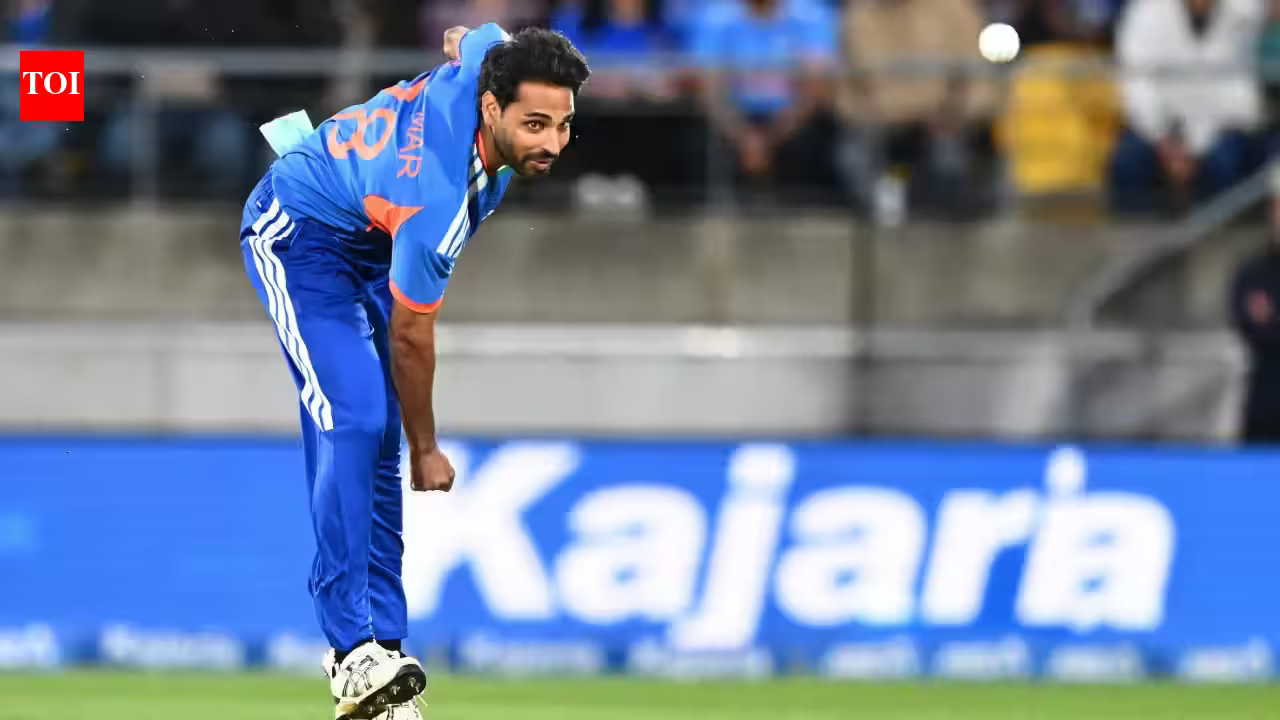





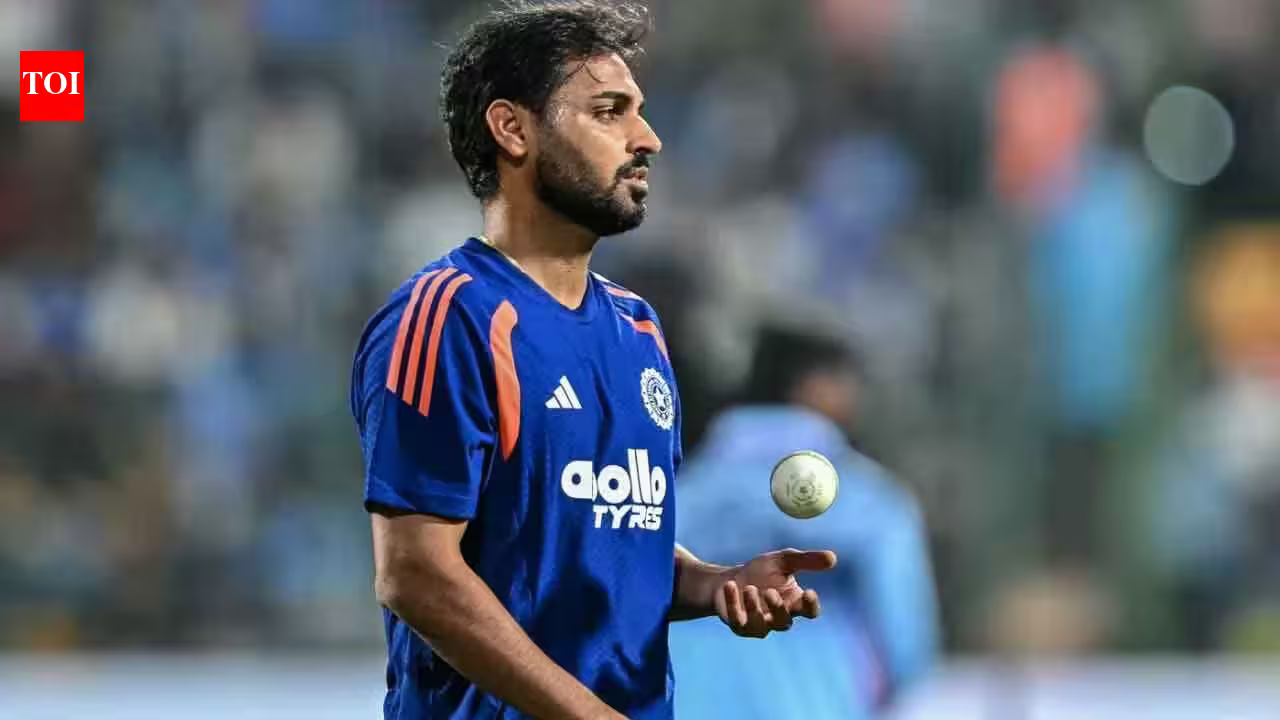
CRITICAL questions are swirling around the international future of veteran pacer Bhuvneshwar Kumar following a dismal return to India’s T20I setup. While India continues to dominate their five-match series against New Zealand, moving to an unassailable 3-0 lead, the personal narrative surrounding the 36-year-old seamer has taken a somber turn. After a four-year absence from the national T20I fold, Bhuvneshwar’s comeback has been defined by a lack of bite and an inability to contain opposition batters, culminating in a scathing assessment from one of cricket’s most astute tactical minds, Ravichandran Ashwin.
A Statistical Nightmare on the Pitch
The numbers do not lie, and for Bhuvneshwar, they make for uncomfortable reading. In his three outings against the Black Caps, the experienced campaigner has leaked a staggering 139 runs across just 12 overs of action. His economy rate, sitting at a bloated 11.58, highlights a failure to transition back into the high-intensity demands of modern international T20 cricket.
The decay in his effectiveness is palpable. In the series opener, he finished wicketless, conceding 49 runs. While there was a slight glimmer of promise in the second match—returning 1/50—his performance in the third T20I saw him return to formless despair, leaking 40 runs in four overs without claiming a scalp as New Zealand posted a formidable 199/5. While India’s potent batting lineup successfully chased down the target to secure the series, the defensive lapses provided by their opening bowler have become an increasingly glaring issue for the team management.
Ashwin’s Blunt Critique: The Loss of the ‘Swing King’
It is rare to see active or recently featured teammates speak with such candid bluntness, but Ravichandran Ashwin’s analysis on SonyLIV did not mince words. Ashwin, known for his deep technical understanding of the game, identified a physiological and mechanical decline that goes beyond simple bad luck or a poor run of form.
“Bhuvneshwar Kumar in his third match is a miss for me,” Ashwin stated, setting the stage for a forensic breakdown. While he defended the bowler’s previous two performances—noting that Bhuvi had shown flashes of his trademark swing and disciplined line during the Powerplay overs—the third game signaled a worrying regression.
“Look, anybody can go for runs,” Ashwin conceded, acknowledging the volatility of the T20 format. “I would actually take the previous two games of Bhuvi. I thought he bowled really well upfront. He swung the ball and bowled the third over inside the Powerplay in the previous game.”
However, the third outing was a different story entirely. Ashwin highlighted the tangible physical drop-off that likely contributed to his ineffectiveness. “In this game, I thought his pace was down. The swing was missing. Just didn’t look like he was running up to the crease as well as he could. Looked a bit off, and I think it’s been a very big miss.”
Is the End of the Road Approaching?
The central tension of this series has been the contrast between India’s collective success and Bhuvneshwar’s individual struggle. For a player who was once the undisputed leader of the Indian pace attack, relying on subtle movement and pinpoint accuracy rather than raw speed, the loss of that “swing” is terminal. If the ball is not moving through the air, Bhuvneshwar’s margin for error effectively vanishes.
At 36, the demands of international cricket are unforgiving. Recovery times increase, and the reflexes that allow for those crucial split-second adjustments in run-up and release can wane. When a bowler of his archetype can no longer command the swing that defined his career, he becomes essentially “batting practice” for modern T20 power-hitters, who now attack with impunity against anything that lacks genuine pace.
Looking Ahead for the Men in Blue
With the series already decided at 3-0, the Indian team management faces a difficult conversation. Do they persist with the veteran to see if he can recapture his rhythm, or is it time to look toward the future and test younger, more high-velocity options?
The optics of the situation are tough. India has established their dominance over New Zealand, but the failure of an experienced hand to stabilize the bowling unit—specifically during the crucial opening overs—remains a tactical vulnerability. If Bhuvneshwar cannot regain his rhythm in the final two matches of this series, he may find himself on the periphery once more. For a player who has served Indian cricket with distinction, this homecoming has proven that the pace of the international game rarely waits for anyone, no matter how storied their past. The upcoming fixtures will likely serve as the ultimate litmus test for his longevity at the highest level.
Disclaimer: This content is auto-generated for informational purposes only.
Source: Read Original News