









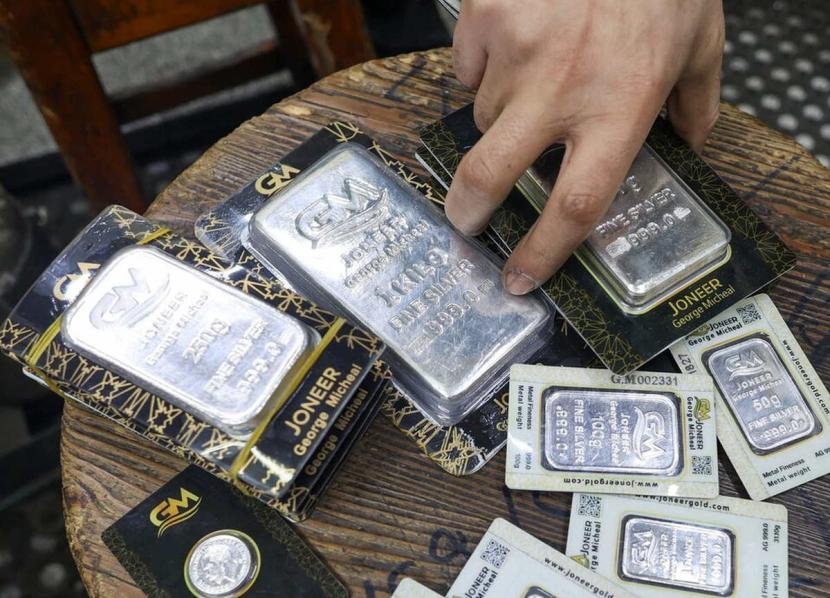
The Bureau of Indian Standards (BIS) is set to significantly enhance its silver hallmarking and testing capabilities to meet a growing demand for certified silver products. This strategic shift comes as escalating gold prices lead consumers to increasingly turn to silver jewellery.
BIS plans to expand its national network of referral and assay laboratories dedicated to silver hallmarking within the next two years. This expansion aims to support the increasing interest in silver and ensure quality across various sectors of the market.
Currently, silver hallmarking in India is voluntary, a system established in 2005. A significant change is on the horizon: beginning September 2025, all hallmarked silver items will be required to feature a Hallmark Unique Identification (HUID) number. This HUID will enable consumers to readily verify the purity of their purchases. According to Nishat S Haque, BIS Deputy Director General (Laboratories), the introduction of the HUID has already stimulated demand, and the agency is prepared to substantially scale up its testing operations.
Haque noted, “We will be able to handle the requirement within our own labs for roughly the next two years. Within that period, we will be expanding referral and assay laboratories across the country.”
Official data indicates a notable surge in demand for hallmarked silver jewellery, with the number of hallmarked articles projected to increase from 3.2 million in the 2024-25 fiscal year to an anticipated 5.9 million in the 2025-26 fiscal year. Currently, approximately 230 Assaying and Hallmarking Centres are recognized by BIS for the testing of silver jewellery.
BIS maintains stringent quality control by conducting market surveillance testing of hallmarked gold jewellery through its own laboratories, without outsourcing. In the past year, the agency tested nearly 270,000 product samples, reflecting a sharp rise in the demand for certification.
The organization currently operates 10 laboratories and has established a larger network of approximately 440 recognized laboratories, which include both private and government facilities. The BIS Laboratory Recognition Scheme, initiated in 1985, has been instrumental in expanding this extensive network.
BIS has also developed close to 23,000 standards, of which approximately 700 are mandatory. As the laboratory network continues to grow, its capacity to manage increasing certification needs will be further enhanced.
In an effort to improve testing efficiency, BIS is also embracing new technologies, including artificial intelligence and robotics. A pilot program involving a robotic arm for cement testing is currently underway, with plans for further integration contingent on the results of this initial phase.
Haque expressed confidence in the future capabilities of BIS laboratories and encouraged both manufacturers and consumers to rely on BIS-certified products for guaranteed quality. She stated, “Buy the BIS certified products… have confidence in that mark,” underscoring the agency’s commitment to consumer protection and to building trust in silver hallmarking and testing processes.