








The Geopolitical Intersection of Energy and Diplomacy
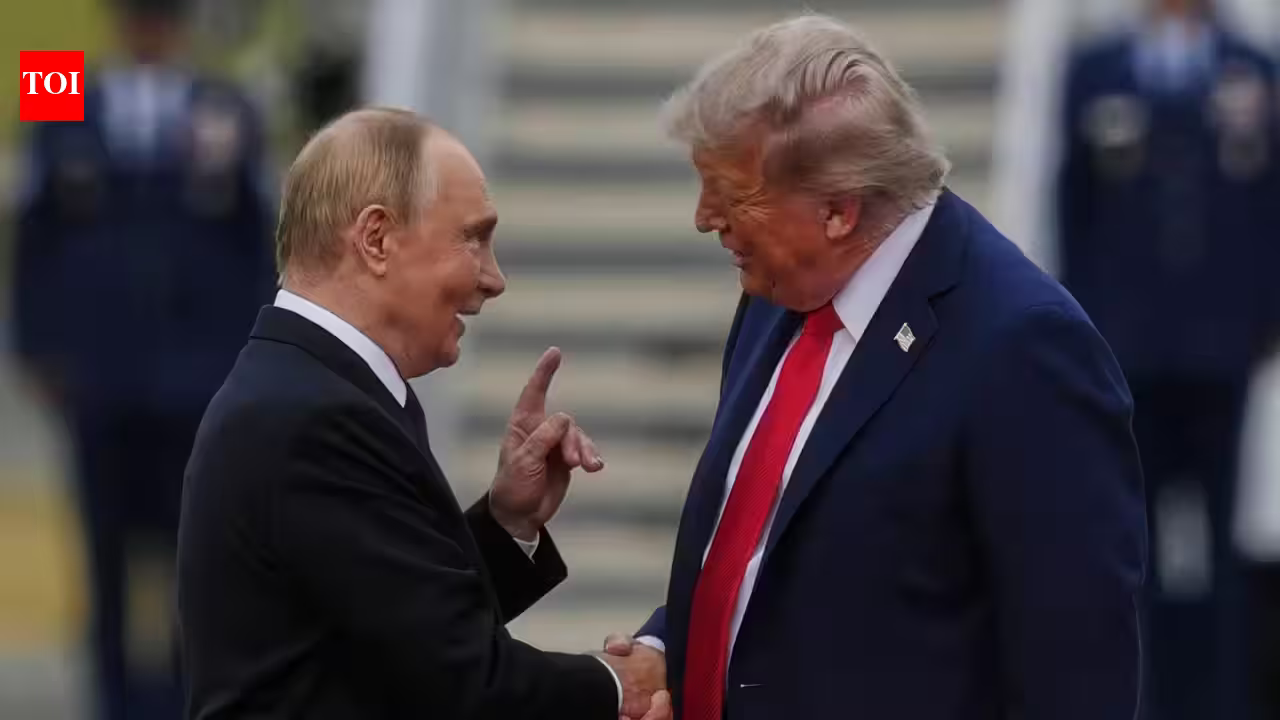
The proposal involving the international assets of Russian energy giant Lukoil has transcended simple corporate divestment, emerging as a critical nexus point in contemporary international relations. By tying a multibillion-dollar transaction to ongoing high-stakes negotiations between the United States and Russia regarding the conflict in Ukraine, the deal highlights a shift toward using economic incentives as primary instruments of diplomacy. As the transaction involves significant energy infrastructure, including oil fields, refineries, and retail gas networks, it represents a complex maneuver where the removal of sanctions is being treated as a strategic bargaining chip.
From a structural perspective, the involvement of high-level US intermediaries—specifically figures linked to the current administration—indicates a preference for track-two diplomacy conducted through private-sector channels. While state-level negotiations remain the bedrock of international stability, this development demonstrates how major capital assets are increasingly becoming central to the resolution of geopolitical disputes. For global markets, this deal serves as a barometer for how Western powers might selectively lift or refine energy sanctions to achieve broader security objectives.
Corporate Consolidation and the Role of Private Equity
The emergence of a group led by US investor Todd Boehly as the frontrunner for the Lukoil assets illustrates the significant role private capital plays in cross-border geopolitical arrangements. The bid, supported by Gulf-based investors including the Abu Dhabi sovereign wealth apparatus, underscores a trend of Middle Eastern capital aligning with American private equity to influence global energy distribution. This coalition is not merely a commercial entity; it is a vehicle for managing distressed assets that are currently trapped under the weight of international sanctions.
The underlying valuation of these assets—pegged at approximately $20 billion earlier this year—makes the transaction one of the most substantial energy carve-outs in recent history. The involvement of diverse stakeholders, ranging from Middle Eastern investment funds to US-based firms, suggests that the market for sanctioned Russian assets is shifting from traditional institutional buyers toward entities with the political connectivity required to navigate complex treasury department regulations. The previous failure of the Carlyle Group to secure approval for a similar acquisition serves as a case study in the risks inherent in such transactions, emphasizing that commercial success in this sector is now entirely dependent on political alignment rather than traditional market fundamentals.
The Indian Perspective on Global Energy Shifts
For India, the world’s third-largest oil importer, the potential transfer of Lukoil’s international assets has significant implications for energy security and price stability. Indian refineries have historically maintained a balanced portfolio, relying on various sources to hedge against volatility. A large-scale restructuring of Lukoil’s international footprint, particularly if it results in these assets moving under new, sanction-compliant ownership, could theoretically increase the availability of non-sanctioned, globally traded energy supplies.
However, the current proposal also presents a cautionary note for Indian businesses. The integration of diplomatic channels with private business interests suggests that global energy markets are entering a period where regulatory fluidity is the new norm. For Indian firms operating in the international oil and gas sector, this signals that market access may no longer be determined solely by competitive bidding or operational efficiency. Instead, the ability to operate in contested geographies will depend on an entity’s capacity to navigate the intricate legal frameworks established by Western sanctions regimes. India’s strategic autonomy in energy procurement remains vital, but the shifting ownership structures of Russian energy assets necessitate a more agile and politically informed approach to international energy commerce.
Navigating Sanctions and Regulatory Oversight
At the heart of the Lukoil transaction lies the United States Department of the Treasury, which retains final authority over the enforcement of sanctions targeting the Russian energy sector. The proposed deal requires a delicate regulatory balancing act: the US must determine whether granting approval provides sufficient “goodwill” to justify the potential reduction in pressure on the Russian state, while simultaneously ensuring that the transaction does not violate the spirit of broader economic containment.
The complexity is compounded by the fact that the deal includes a “profits interest” for the United States government. This structure essentially transforms a regulatory approval process into a form of public-private partnership, where the state seeks direct financial participation in the assets it is authorizing. This model of interventionism is rare in market-oriented economies and signals a departure from standard sanctions enforcement. Investors and market analysts are closely observing this development, as it creates a precedent for how future “sanctions-for-asset-access” deals might be structured, potentially creating a new class of high-risk, high-reward investment vehicles that are directly managed by state-sponsored negotiation teams.
Implications for Future Global Energy Security
The narrative surrounding the Lukoil assets is ultimately a story about the changing nature of globalization. As political and economic spheres continue to blur, the influence of state-linked business interests is becoming more pronounced. For the global energy market, the potential resolution of this deal could serve as a model for how frozen or sanctioned Russian infrastructure is gradually brought back into the international financial system. If successful, this framework could catalyze further divestment of Russian state-linked assets, providing a path toward price stabilization and market integration.
However, the risks remain high. The intersection of private business ties, high-level diplomatic meetings, and sovereign investment funds creates an environment where transparency is challenging to maintain. For stakeholders in the energy sector, the key takeaway is that geopolitical risk is no longer an external factor to be hedged against; it has become an internal component of the transaction itself. Whether this deal serves as a genuine bridge toward peace in Ukraine or merely as a sophisticated method of asset reallocation remains to be seen. In either case, the outcome will likely redefine the parameters of international business conduct for the next decade, particularly for nations like India that occupy a critical space in the global energy value chain.
Disclaimer: This content is auto-generated for informational purposes only.
Source: Read Original News