









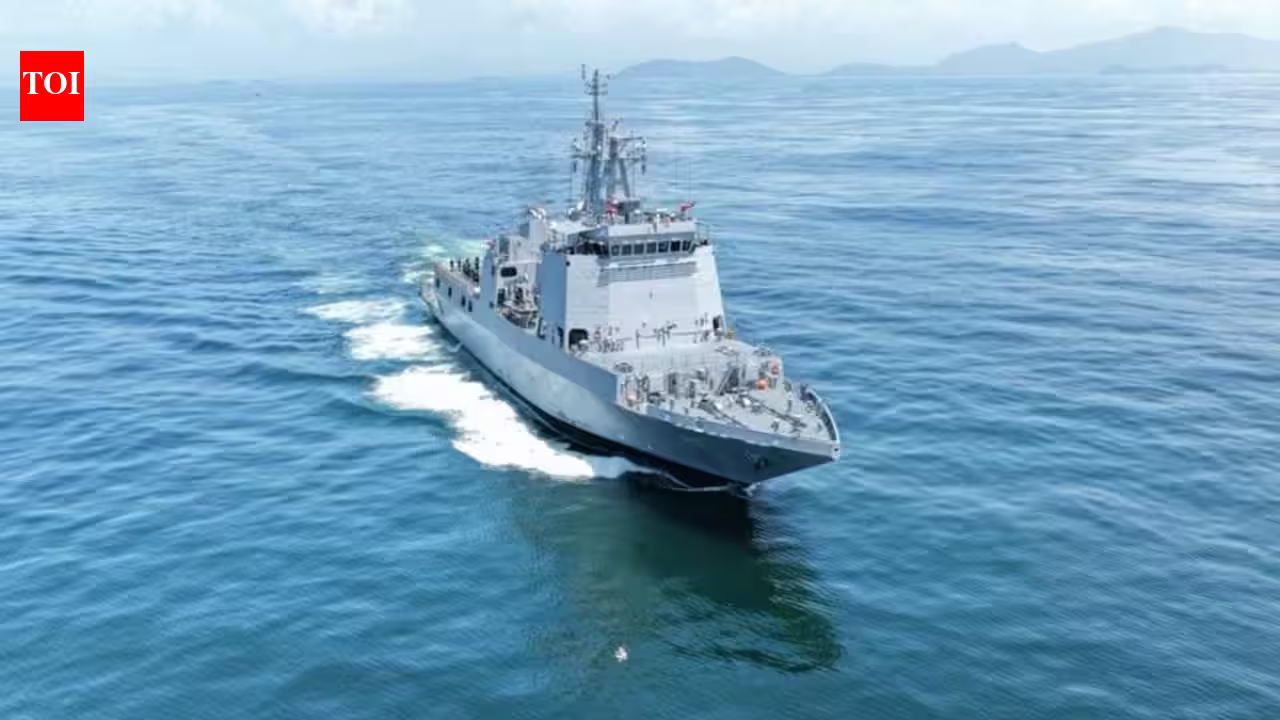
Boost for Maritime Security: CCS Approves Rs 40,000 Crore Next-Gen Corvette Project for Indian Navy
In a significant move to bolster the Indian Navy’s blue-water capabilities and enhance its combat readiness in the Indo-Pacific region, the Cabinet Committee on Security (CCS) has officially greenlit a massive procurement project. The government has sanctioned the construction of eight Next-Generation Corvettes (NGCs) at an estimated cost of Rs 40,000 crore. This acquisition marks a pivotal step in the ongoing efforts to modernize the nation’s naval fleet through indigenous manufacturing.
Strategic Partnerships for Indigenous Production
According to senior defense officials, the procurement process is moving at a rapid pace, with formal contracts expected to be inked in the coming days. The monumental task of constructing these high-tech warships has been entrusted to two premier public sector undertakings: Garden Reach Shipbuilders & Engineers (GRSE) in Kolkata and Goa Shipyard Limited (GSL).
By splitting the production between these two specialized shipyards, the Ministry of Defense aims to leverage regional expertise while ensuring that the Navy’s ambitious timelines for fleet modernization are met. This project is being hailed as a major victory for the ‘Atmanirbhar Bharat’ (Self-reliant India) initiative, as it underscores the government’s commitment to curbing reliance on foreign military technology.
Advanced Capabilities of the Next-Gen Corvettes
The upcoming corvettes are designed to be versatile, agile, and highly effective in a variety of naval operations. These vessels generally displace between 1,000 and 3,000 tonnes, positioning them as the perfect medium-sized warships for surveillance, anti-submarine warfare, and surface-to-surface engagement. Capable of achieving high-end speeds ranging from 25 to 30 knots, these ships are engineered for rapid deployment and tactical maneuvering in contested maritime environments.
While technical specifications are classified, the next-generation classification suggests that these vessels will be equipped with state-of-the-art radar systems, advanced electronic warfare suites, and long-range anti-ship missiles. Their inclusion in the Navy’s inventory will significantly strengthen India’s ability to protect its vast coastline and secure vital Sea Lines of Communication (SLOCs) that are critical to the nation’s economic interests.
Timeline and Long-Term Objectives
The delivery schedule for these warships is currently mapped out with the expectation that the Indian Navy will commission the first of the eight corvettes by 2030. This timeline reflects the complexity of building sophisticated, modular warships that must integrate seamless stealth features and heavy weaponry.
The Rs 40,000 crore investment is expected to provide a substantial fillip to the domestic defense manufacturing ecosystem. Beyond the direct output of the shipyards, the project is anticipated to create thousands of jobs across the MSME supply chain, which will be responsible for providing sensors, communications equipment, and specialized marine engineering components.
As China’s naval footprint continues to expand in the Indian Ocean region, the induction of these next-generation corvettes will provide the Indian Navy with the technological edge necessary to maintain regional maritime dominance and ensure an open and secure sea environment. The project serves as a clear signal of New Delhi’s strategic intent to project power and safeguard its interests through a robust, indigenously built naval force.
Disclaimer: This content is auto-generated for informational purposes only.
Source: Read Original News