









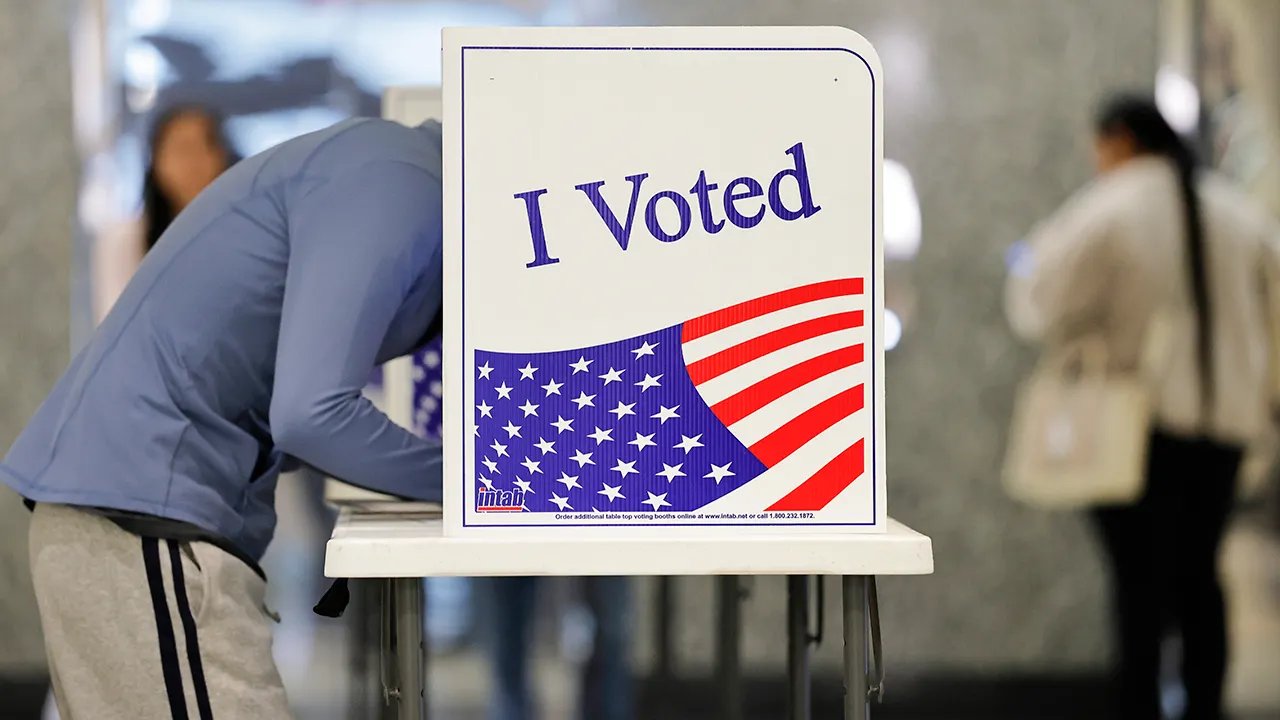
U.S. stock futures tumbled sharply on Wednesday as election results confirmed a significant shift in Washington’s balance of power. Following projections from the Fox News Decision Desk that Democrats have secured control of both the House of Representatives and the U.S. Senate, investors are recalibrating their portfolios to account for a new legislative landscape.
The market reaction was swift, with Nasdaq-100 futures leading the decline by 2.2%, while S&P 500 futures fell 1.3%. Dow Jones Industrial Average futures also retreated 0.8%. This volatility reflects deep-seated uncertainty regarding the future of federal oversight on key industries, most notably the high-growth artificial intelligence and technology sectors.
Regulatory Headwinds for Big Tech and AI
Wall Street is particularly anxious about the potential for increased regulatory scrutiny surrounding the tech industry. As companies continue to pour massive investments into artificial intelligence, there is growing apprehension that a Democrat-led Congress may introduce more restrictive policies. Analysts suggest that the market is grappling with the possibility of heightened oversight regarding data privacy, antitrust enforcement, and the ethical deployment of AI models.
“Markets appear to be pricing in the possibility of a stronger-than-expected Democratic showing, which could reduce expectations for further fiscal stimulus,” noted Charu Chanana, chief investment strategist at Saxo. For the tech sector, which has been buoyed by lofty AI-related valuations, this shift could signal a period of volatility as firms wait to see if the new legislative agenda prioritizes a crackdown on the dominance of major tech players.
Economic Uncertainty and Market Volatility
The midterm results have sparked a wider debate about the future of government spending and taxation. Investors are closely monitoring how a change in congressional control will influence the national debt and fiscal policy. While the initial reaction has been negative, some experts caution against overreacting. Historical data from Ned Davis Research indicates that shifts in congressional power have not historically derailed the stock market’s long-term upward trajectory, with the S&P 500 actually posting gains in five of the eight midterm cycles since 1930 where the president’s party lost the House.
The bond market offered a different perspective on the election outcome. The benchmark 10-year Treasury yield dropped 6 basis points to 4.906%. Some economists believe this cooling in yields could eventually serve as a buffer for equity markets, potentially softening the blow of the initial sell-off. As Treasury yields fall, the relative appeal of stocks—even those under regulatory pressure—may stabilize.
Global Repercussions and Currency Shifts
The ripple effects of the U.S. election were felt globally as well. The U.S. dollar weakened against major currencies, including the euro and the British pound, while the dollar index fell by 0.32%. Overseas, the sentiment was equally cautious. Japan’s Nikkei index saw a steep decline of 3%, and South Korea’s KOSPI dropped 1.6%, as international investors processed the implications of a changing U.S. trade and economic policy.
As the dust settles on the election, Wall Street will shift its focus to committee appointments and the legislative priorities of the new leadership. With over $1.48 billion wagered on election prediction markets, the high stakes are clear. For the tech industry, the primary concern remains whether the promise of generative AI and cloud innovation can continue to drive earnings growth in an environment that may prove far less business-friendly than the one experienced in recent years. Investors remain in a “wait-and-see” mode, looking for clarity on tax reform, banking regulation, and, most importantly, the future path of technological innovation in the United States.
Disclaimer: This content is auto-generated for informational purposes only.
Source: Read Original News