








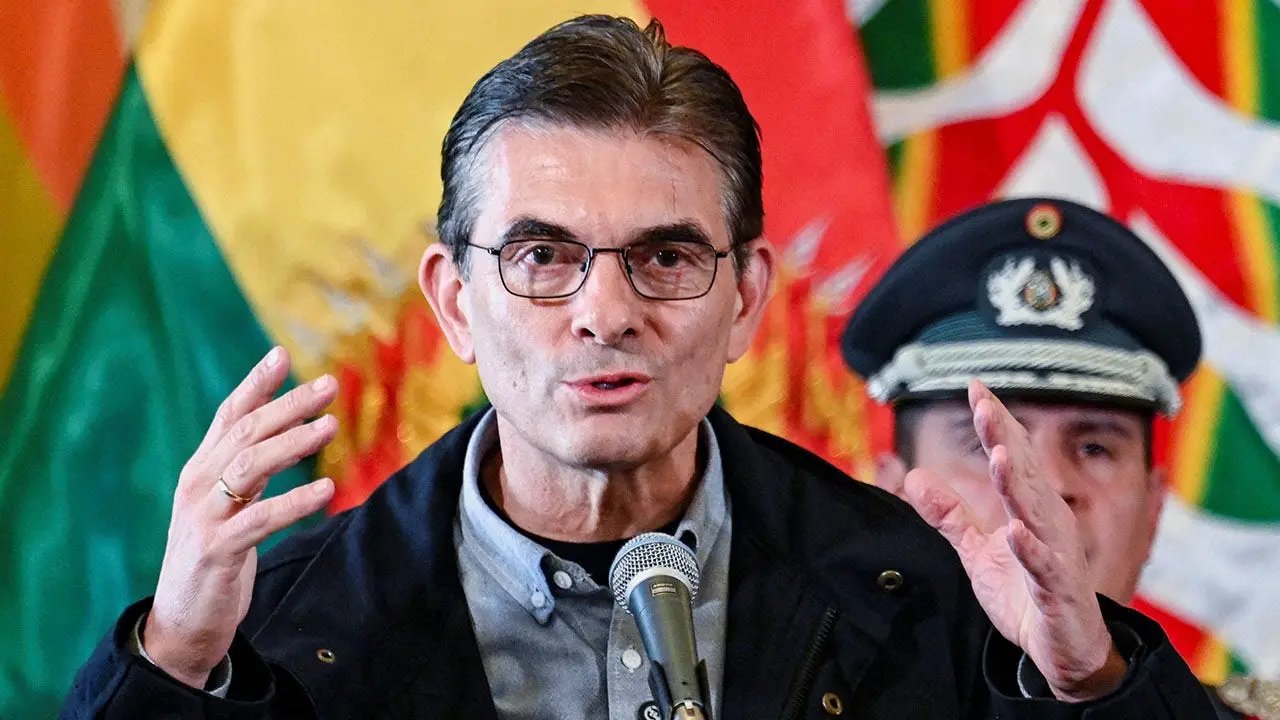
Bolivia is undergoing a seismic shift as President Rodrigo Paz Pereira moves to dismantle two decades of socialist governance in favor of a market-oriented economic model. In a strategic pivot toward the United States, the administration is prioritizing foreign investment and private enterprise to stabilize an economy that recently faced critical depletion of its national reserves.
## Rebuilding the Economic Foundation
When President Paz took office, the state of the national coffers was dire, with central bank reserves plummeting to a mere $51 million. Through a series of rapid fiscal interventions over the last ten months, the government has managed to bolster those reserves to approximately $1.2 billion. While the country continues to grapple with persistent inflation and localized fuel shortages, the administration maintains that the path forward lies in “capitalism for everyone.”
This approach emphasizes access to capital and the cultivation of entrepreneurship as the primary drivers of social stability. By moving away from centralized control, the government hopes to foster job creation and industrial production. President Paz argues that ideology is secondary to tangible employment, asserting that economic growth is the only sustainable way to address poverty and improve the quality of life for the Bolivian people.
## A Strategic Pivot Toward U.S. Relations
Central to this new trajectory is a significantly warmed relationship with Washington. Following recent high-level discussions between President Paz and U.S. Secretary of State Marco Rubio, Bolivia has signaled a desire for closer cooperation based on security, trade, and economic development. This shift aligns with broader trends in the Western Hemisphere, where several nations are pivoting toward the Trump administration’s focus on integrated security and, more recently, the global competition for critical minerals.
Bolivia, rich in lithium, copper, and tin, is positioning itself as a vital partner in the global supply chain. However, the government is wary of repeating historical patterns of resource exploitation. President Paz emphasized that the country is not looking to merely ship raw materials abroad; rather, the goal is to secure long-term partnerships that mandate in-country value addition, technology transfers, and workforce training.
## The Role of Modernization and Global Tech
As Bolivia seeks to integrate more deeply into the global economy, the role of international investment is expanding to include technological infrastructure and digital modernization. Similar to how tech giants and the AI sector are reshaping global trade, Bolivia is looking to leverage modern expertise to refine its industrial output.
For the international tech and business community, the message is clear: the country is open for collaborative ventures that prioritize infrastructure and productivity. This is not just about mining or agriculture; it is about building a professional ecosystem capable of sustaining long-term growth. The government is aiming to create a digital and economic landscape where young Bolivians can find meaningful work at home rather than seeking opportunities abroad.
By emphasizing transparency and the protection of private property, the administration is attempting to create a safe harbor for international firms—ranging from critical mineral processors to software developers—looking to gain a foothold in South America. The success of this transition, however, depends on whether the government can navigate the delicate balance of maintaining social welfare programs while inviting the volatility of the free market. As President Paz stated, the work is difficult and far from finished, but the policy shift represents an definitive departure from the country’s socialist past, signaling a new era of alignment with Western economic values.
Disclaimer: This content is auto-generated for informational purposes only.
Source: Read Original News