






A new initiative aimed at transforming how Welsh primary school children engage with environmental science has been launched, backed by £732,000 in funding. The Cardiff University-led project seeks to dismantle long-standing barriers that often prevent young people from marginalized or rural backgrounds from pursuing careers in science, technology, engineering, and mathematics (STEM).
The project, which is funded by the Natural Environment Research Council—part of UK Research and Innovation—will run through the end of 2028. It focuses on integrating environmental science directly into the classroom through bilingual lessons, outdoor practical activities, and comprehensive teacher training designed to boost educator confidence in teaching these subjects.
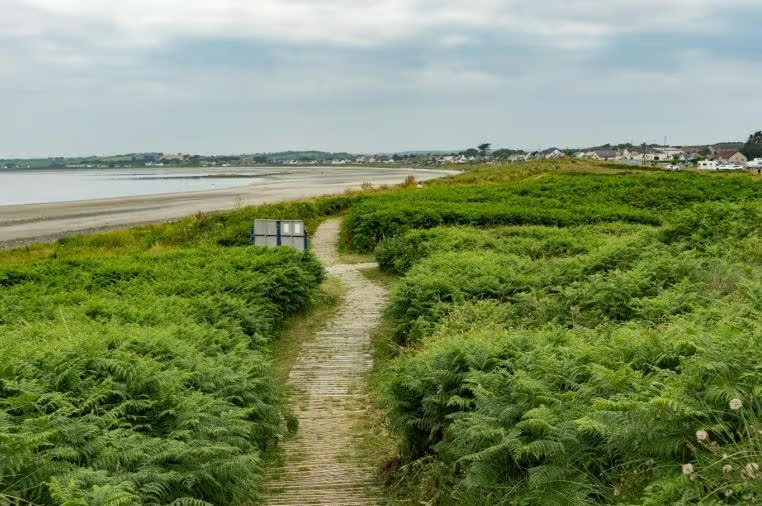
By linking science and mathematics to the Curriculum for Wales, the initiative ensures that learning is grounded in the local landscape and culture. This localized approach is intended to make complex environmental issues more relatable and tangible for pupils, particularly in geographically isolated areas and communities facing economic hardship.
Dr. Phillip Lugg-Widger, a lecturer in Cardiff University’s School of Engineering and the project lead, emphasized the importance of removing obstacles for the next generation. “It is important that we try to remove the barriers to those individuals in Wales who want to learn about the natural environment, science, and technology, so that one day they can carry out the science that protects our world from challenges such as climate change,” Dr. Lugg-Widger said. “Our environmental projects will take science outside of the classroom and provide Welsh children with an interactive and engaging experience of how they can use science, maths, and Welsh culture to protect the natural environment around them, while also promoting their wellbeing.”
The project’s structure is the result of an extensive year-long pilot program conducted between July 2025 and July 2026. During this period, researchers from a consortium of institutions—including Aberystwyth, Bangor, Swansea, and the University of the West of England—consulted with students aged seven to 18 to identify the specific factors that discourage underrepresented groups from entering environmental science fields.
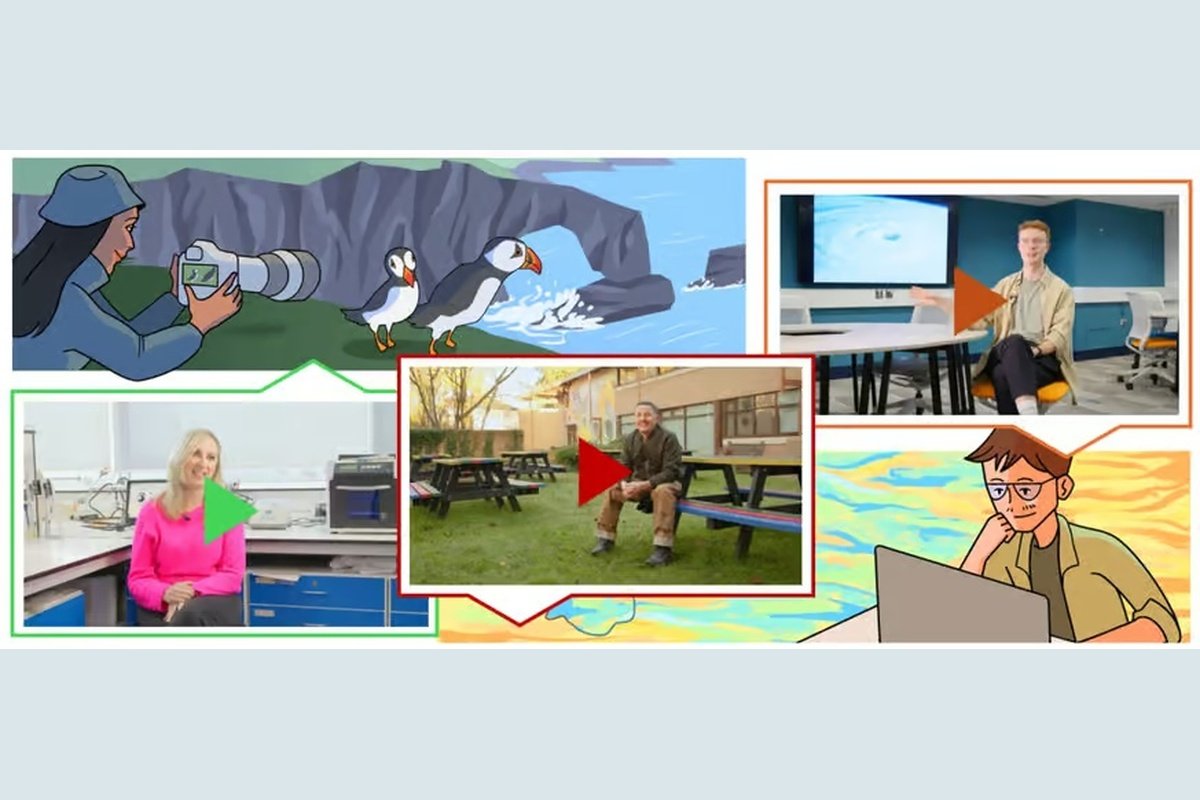
A key output of the pilot was a series of bilingual videos featuring role models in the industry. Feedback from students who viewed these materials was overwhelmingly positive, with participants highlighting how “cool” and “exciting” it was to see scientists working in extreme environments, ranging from glaciology to wildlife conservation. These videos are now being expanded into a full suite of teaching resources, which will be supplemented by online sessions allowing pupils to interact directly with practicing scientists.
Beyond the classroom, the project aims to broaden public engagement through arts workshops, Welsh-language festivals, and community-focused events. These platforms will facilitate open discussions about environmental issues, ensuring that the next generation feels equipped to tackle the climate crisis.
Dr. Lugg-Widger noted that the project is not just about bringing global science to Wales, but also about showcasing how Welsh perspectives can contribute to international research. “They bring with them unique cultural and historical understandings of Wales that could help protect its unique landscapes, animal species, and nature with approaches that can be used elsewhere in the UK and beyond,” he added.
By fostering a connection between pupils and their local environment, the project hopes to cultivate a workforce that is as diverse as the landscapes it is tasked with protecting, ensuring that the scientists of tomorrow are well-prepared to navigate a changing world.
Disclaimer: This content is auto-generated for informational purposes only.
Source: Read Original News