








The Implications of EU Anti-Dumping Measures on Indian Steel Exports
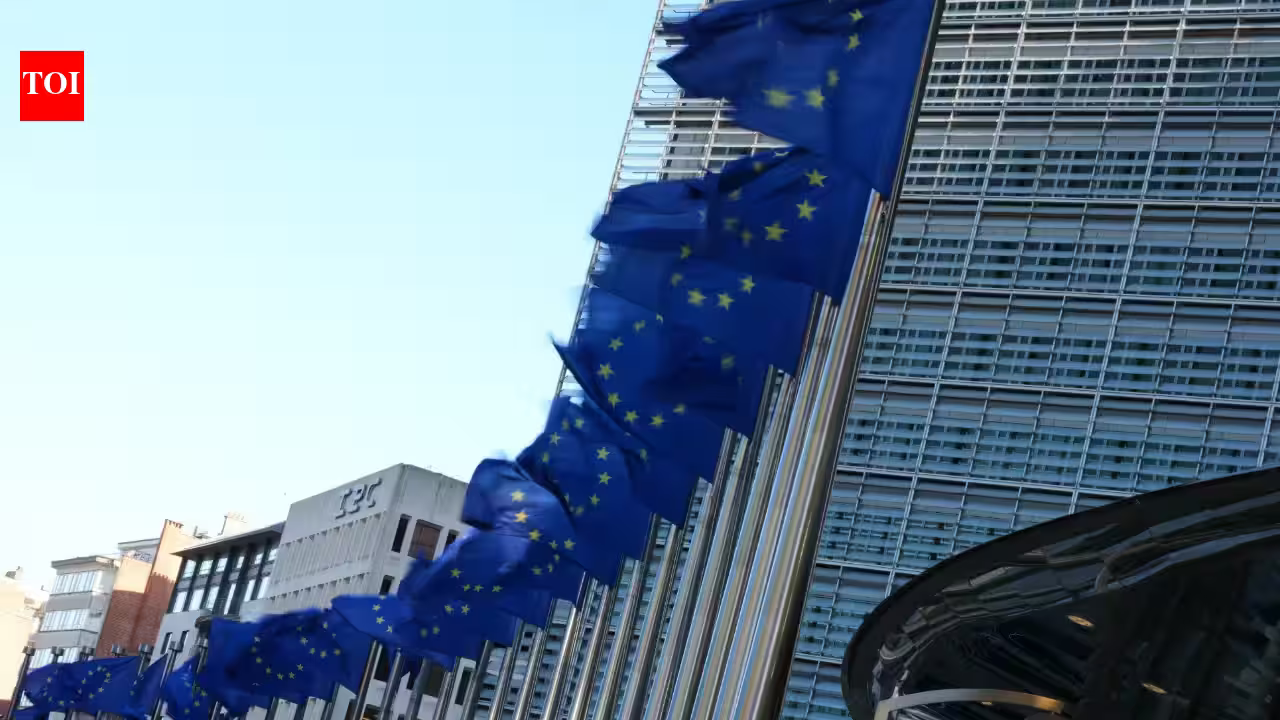
The European Union’s recent decision to impose a 9.5 percent anti-dumping duty on Indian cold-rolled flat steel signals a tightening of trade defense mechanisms within one of the world’s largest manufacturing markets. This development, which also impacts producers in Japan, Taiwan, Türkiye, and Vietnam, serves as a critical inflection point for India’s metallurgical sector. As the European Commission moves to address what it classifies as “particular market situations,” Indian steel manufacturers must navigate a increasingly complex regulatory environment characterized by meticulous scrutiny of domestic input costs and global supply chain dynamics.
The core of the European Commission’s argument lies in the concept of “particular market situations.” Unlike traditional anti-dumping investigations that rely on a straightforward comparison between domestic and export prices, the European regulator has chosen to construct the “normal value” of Indian steel. This approach is predicated on the claim that government interventions—specifically regarding iron ore pricing—have artificially suppressed production costs in India. By adjusting these valuations, the EU intends to neutralize what it perceives as an unfair price advantage, effectively neutralizing the competitive edge that Indian exports previously enjoyed in the European market.
Understanding the Impact on Indian Steel Manufacturers
For the Indian steel industry, which has increasingly sought to expand its footprint beyond traditional markets to diversify revenue streams, the 9.5 percent tariff represents a significant fiscal burden. Cold-rolled flat steel is a high-value product utilized extensively in the automotive, construction, and consumer electronics sectors. With India’s exports of this commodity to the EU valued at approximately 282 million euros, the imposition of this levy directly impacts the thin profit margins that define the global steel trade.
Furthermore, this situation highlights a strategic vulnerability for Indian exporters: dependence on cost-subsidized inputs as a competitive pillar. When international regulators decide to scrutinize the domestic value chain, manufacturers find themselves facing not just tariffs, but also the administrative burden of participating in long-term trade defense investigations. For larger players, this requires robust legal and compliance frameworks; for smaller, mid-cap steel producers, such duties could necessitate a pivot toward alternative markets, such as Southeast Asia or the Middle East, where trade defense instruments are currently less stringent.
The Complexity of Global Steel Overcapacity
The European Commission’s action against multiple countries simultaneously suggests that the EU is taking a holistic view of global supply pressures. By citing Chinese overcapacity as a primary driver of the downward pressure on prices in Taiwan, the EU is implicitly acknowledging that the international steel market is currently suffering from a surplus that threatens domestic European production. When the market is flooded with low-cost steel, regional producers often lobby their governments for protection, leading to a domino effect of anti-dumping duties.
In the Indian context, this creates a double-edged challenge. While Indian domestic demand remains strong due to infrastructure projects and government spending, the reliance on exports to absorb excess production is an essential component of the industry’s business model. If India remains trapped in a cycle of being targeted for these systemic imbalances, it risks losing its competitiveness against domestic European producers who are sheltered by these tariffs. The industry must therefore focus on moving up the value chain toward more specialized, value-added steel products that are less susceptible to being categorized as mere commodities vulnerable to dumping claims.
Regulatory Challenges and Strategic Adjustments
The precedent set by the “particular market situation” investigation in India suggests that the European Commission will likely intensify its audits of raw material markets. This puts the spotlight on how India manages its mining royalties and iron ore pricing structures. Indian exporters, backed by industry bodies and government trade departments, must now enhance their transparency and document management. In future legal battles, the ability to demonstrate that pricing is driven by market mechanics rather than state-directed intervention will be paramount.
Moreover, firms should consider a diversification strategy that balances their export basket. Relying heavily on cold-rolled flat steel for the EU market now carries a structural risk premium. Companies that can quickly pivot to high-strength, low-alloy steels or stainless variants—where the intellectual property and technical specification play a larger role in pricing than raw material costs—may find themselves better insulated from aggressive trade defense tactics. The current crisis, therefore, acts as a catalyst for a necessary shift toward higher complexity and, ultimately, higher value-retention.
Looking Ahead: Ensuring Long-term Trade Resilience
The relationship between the European Union and the Indian steel industry will remain fraught as long as the global steel surplus persists. The EU’s protectionist stance is a reflection of its desire to maintain the viability of its own industry, which employs thousands across the continent. For India, the path forward requires a dual approach: robust diplomatic engagement at the government-to-government level to address concerns regarding “market situations,” and internal industrial reform to ensure that manufacturing processes are clearly aligned with international fair-trade norms.
India is currently positioned as a key global manufacturing hub, and its steel industry is a pillar of that growth. However, integration into the global economy requires adherence to shifting international regulatory standards. The 9.5 percent tariff should be viewed not merely as a temporary setback, but as a long-term signal that the European market is entering a phase of heightened protectionism. By focusing on technical expertise, cost-efficiency through innovation rather than input manipulation, and market diversification, Indian steel exporters can mitigate the risks posed by such punitive measures. The objective must be to evolve from a low-cost volume provider into an indispensable quality provider, where the value of the product justifies the price, regardless of the regulatory landscape. Ultimately, the survival and growth of the sector depend on its ability to withstand these shocks through organizational agility and proactive compliance strategies.
Disclaimer: This content is auto-generated for informational purposes only.
Source: Read Original News