









Opposition Moves Supreme Court Seeking Transparency in Voter List Revision Controversy
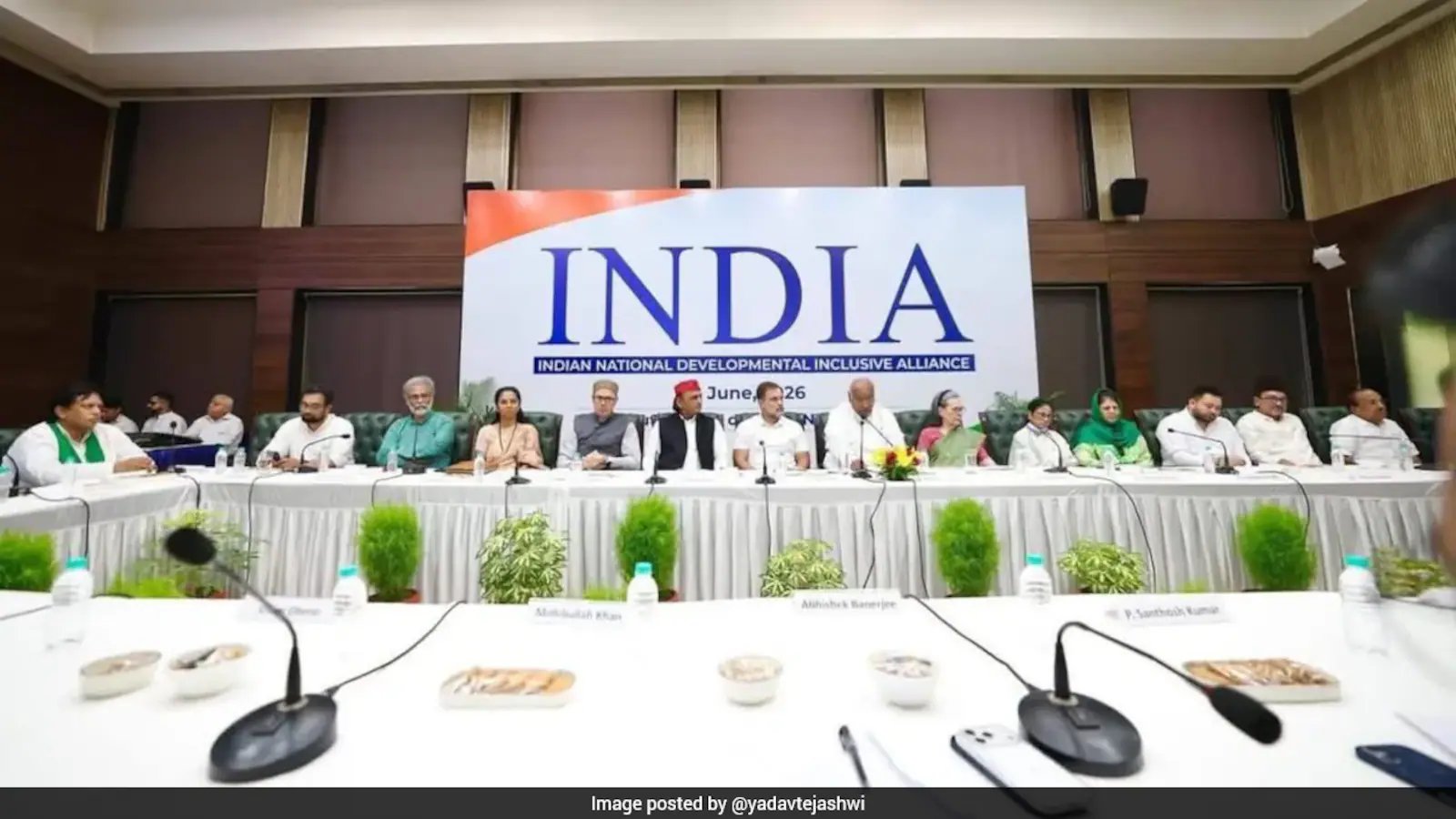
In a significant escalation of the ongoing friction between the political Opposition and the Election Commission of India (ECI), a group of leaders led by Rahul Gandhi has petitioned the Supreme Court. The petitioners are demanding that the Commission be held accountable for the Special Intensive Revision (SIR) of electoral rolls, filing a comprehensive list of 48 queries to clarify the decision-making processes within the poll body.
The legal challenge, which follows reports of internal friction among the commissioners, seeks answers in the form of individual affidavits from the Chief Election Commissioner (CEC), the two Election Commissioners, and the Director General (IT) of the ECI.
Seeking Clarity on Internal Dissent
The core of the Opposition’s grievance lies in the lack of transparency regarding how the ECI arrives at its conclusions. While the Commission’s counter-affidavit has previously asserted that its decisions were unanimous, the petitioners argue that this claim lacks verifiable evidence. Specifically, the plea asks for records, minutes, and file numbers that substantiate these claims of unanimity.
The petition raises pointed questions about the internal dynamics of the Commission, explicitly asking how many times Election Commissioners Sukhbir Singh Sandhu and Vivek Joshi recorded formal objections or disagreements regarding the SIR, the functioning of ECINET, and the handling of Form 6 applications. The Opposition is demanding to know if dissent was formally recorded and, if so, how it was resolved before official orders were issued.
Allegations of Irregularity and Centralization
The legal challenge also casts a spotlight on the controversial nationwide SIR. The petitioners are seeking to determine who precisely authorized this massive exercise and whether the decision-making process was backed by the collective wisdom of all commission members or if it was an exercise of unilateral power by the CEC.
Furthermore, the petition questions the increasing centralization of electoral management systems like ERONET and ECINET. The leaders have sought specific data regarding:
- Form 7 Objections: Detailed breakdowns of objections filed during the revision, including instances of alleged “false” objections and the actions taken under Section 31 of the Representation of the People Act.
- Data on Exclusions: Comprehensive state-wise and gender-wise data on electors excluded during the transition from the draft to the final rolls, along with the specific reasons for these deletions.
- Digital Communication: Whether official approvals were sought through informal channels like WhatsApp or emails, and if those communication trails have been preserved in compliance with the law.
Concerns over Procedural Integrity
The petitioners have also raised alarms regarding the delegation of powers and the legitimacy of recent directives. A specific point of contention is the office order dated July 28, 2026, and the subsequent joint direction issued by the two Election Commissioners on July 30, 2026. The court has been asked to clarify if these directives were issued with the concurrence of the CEC or if they represent a deeper, systemic rift within the ECI.
Additionally, the plea demands details on the “additional declarations” incorporated into online Form 6. The Opposition questions who authorized these additions and how many applications were rejected because citizens could not comply with these new, purportedly burdensome requirements.
As the Supreme Court prepares to take up the matter, the petition serves as a stark demand for institutional accountability. For the Opposition, the primary goal is to ensure that the electoral machinery remains independent and that every change made to the voter lists is subject to rigorous, transparent, and democratic oversight.
Disclaimer: This content is auto-generated for informational purposes only.
Source: Read Original News