








New EU Waste Regulations Pose Fresh Trade Challenges for India’s Metal Sector
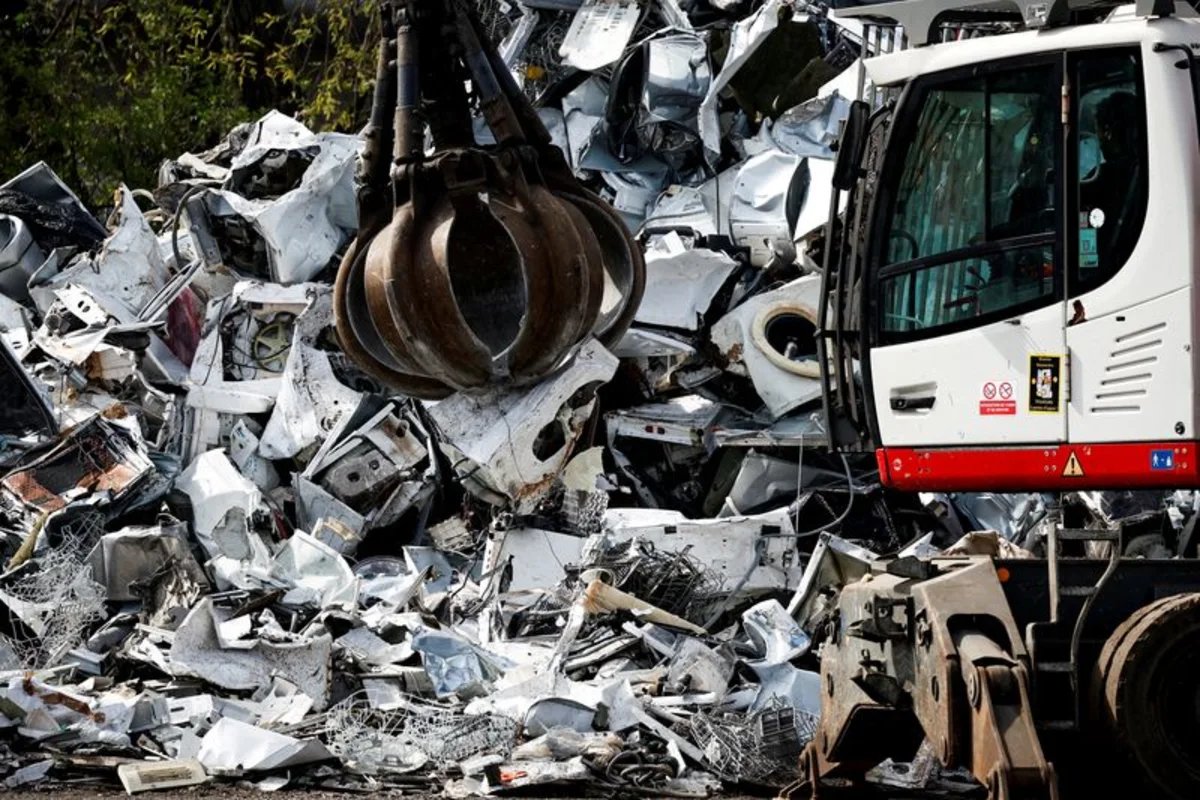
In a significant policy shift that could ripple through India’s industrial sector, the European Commission has unveiled a new framework that threatens to restrict the import of EU metal waste into India. The proposed regulations, set to take full effect in May 2027, introduce stringent criteria for non-OECD nations seeking to continue receiving shipments of scrap materials, including aluminum, plastic, and rubber.
Tightening the Supply Chain
The European Commission recently published a proposal detailing the conditions under which non-OECD countries can import waste from the EU bloc. According to the document, India is currently among the countries barred from these imports under the upcoming Waste Shipment Regulation. To secure an exemption, recipient nations must prove that the waste is processed in an “environmentally sound manner.”
The regulation places a particular emphasis on metal waste, which EU officials have categorized as having a “higher hazard profile.” This classification stems from concerns regarding the potential presence of toxic heavy metals, which the Commission argues necessitate tighter oversight than other, less volatile waste streams.
A Diplomatic and Industrial Tug-of-War
This development arrives just weeks after the European Commission abandoned a separate plan that would have imposed a 15% export duty on aluminum scrap. That earlier proposal, which was aimed at retaining low-cost raw materials for domestic European smelters, faced intense opposition from India. As the largest buyer of European aluminum scrap, India successfully lobbied against the duty, leading to significant internal disagreements among EU policymakers and the eventual dilution of the proposal.
While the EU has pivoted from trade-based tariffs to regulatory waste management standards, the outcome remains problematic for Indian industry. Advocates for the European aluminum industry, such as European Aluminium, continue to express skepticism regarding the current path. They argue that the export of scrap diminishes the supply available to European smelters, which are currently struggling with high operational costs and competitive pressures.
The Path to Compliance
The European Commission has clarified that the current list of barred countries is not necessarily permanent. The proposed “delegated act” is designed to be a living document, with updates scheduled at least every two years. This provides a narrow window of opportunity for India and other nations to demonstrate robust environmental waste-treatment protocols and reapply for import exemptions.
For now, the proposal has entered a public consultation phase, which will remain open until October 16. During this period, stakeholders are expected to weigh in on the logistical and economic impacts of the ban. For Indian manufacturers who rely on steady streams of high-quality scrap from Europe to feed their production cycles, the 2027 deadline serves as a critical warning. The onus is now on government and industry leaders to align environmental compliance with trade necessities to ensure that the critical supply of metal scrap remains uninterrupted in the coming years.
Disclaimer: This content is auto-generated for informational purposes only.
Source: Read Original News