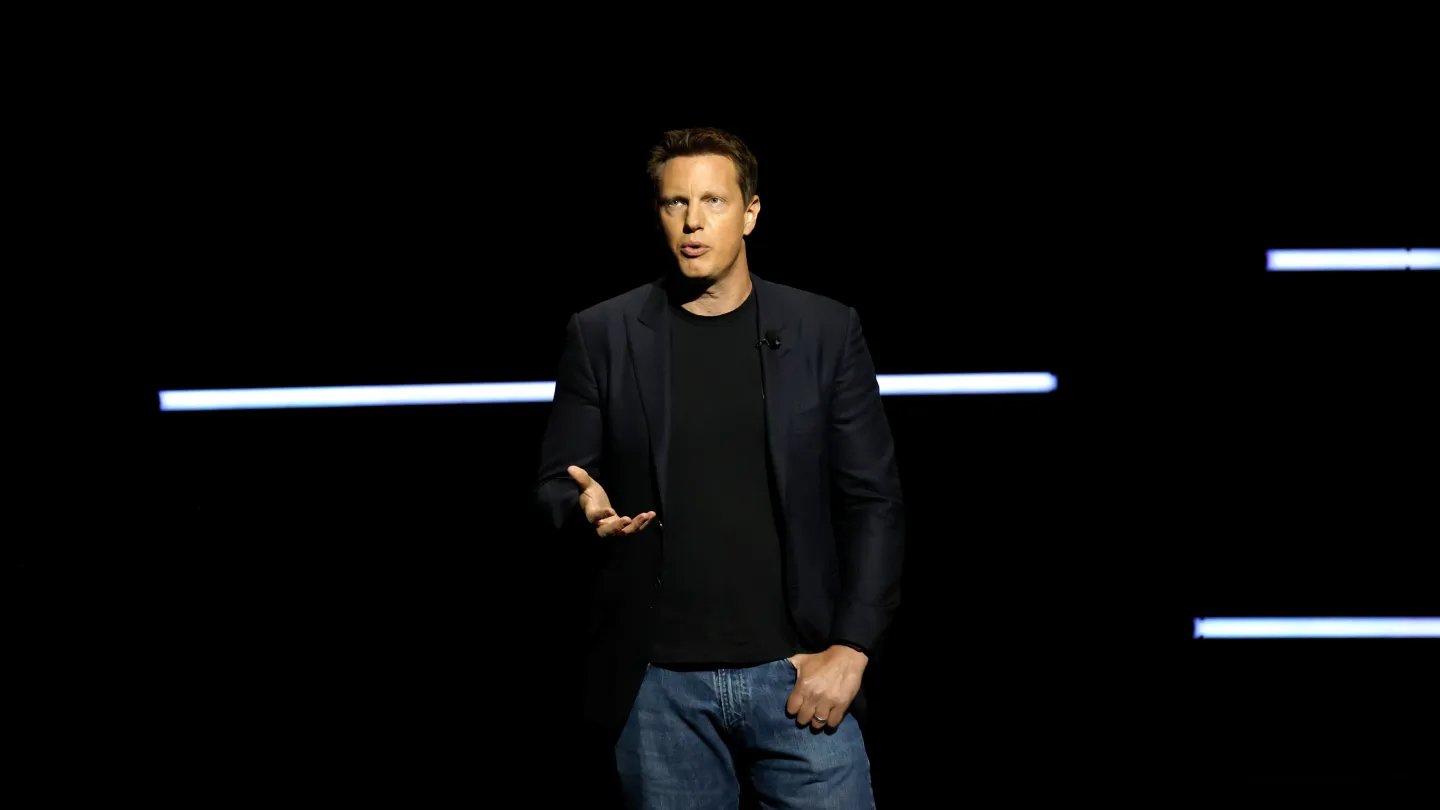










BURLINGTON, Vt. — As Burton Snowboards prepares to mark its half-century milestone in the outdoor gear industry, the Vermont-based company is looking toward its roots to secure its future. On Tuesday, the firm announced the appointment of Denny Bruce as its new CEO, a strategic move that brings a familiar face back into the fold as the brand navigates an increasingly digital and data-driven marketplace.
Bruce, who served as the company’s Mid-Atlantic Brand Manager between 2003 and 2005, brings a wealth of executive experience to the role. Following his initial stint at Burton, he climbed the corporate ladder at major lifestyle and lifestyle-tech brands, including Vans, Skullcandy, Traeger, and Dickies. He steps into the position replacing Donna Carpenter, who had been managing the company on an interim basis following a transition period for the privately-owned legacy business.
## A Legacy Brand in a Modern Era
Founded in 1977 by the late Jake Burton Carpenter, who famously began crafting boards in a humble Vermont barn, the company has transformed from a cottage industry into a global powerhouse. While the brand remains deeply tied to its heritage of mountain culture, the modern snow-sports industry requires a sophisticated approach to retail, consumer engagement, and digital infrastructure.
Donna Carpenter noted the strategic importance of hiring someone with internal knowledge of the company’s identity. “Denny doesn’t need to be taught what Burton means or why snowboarding matters,” she remarked, emphasizing that Bruce’s background makes him uniquely qualified to lead the brand into its next fifty years.
## The Intersection of Action Sports and Technology
While Burton has built its reputation on physical craftsmanship and performance gear, the current retail landscape is heavily influenced by rapid shifts in consumer tech and AI-driven insights. Today’s snowboarding industry is no longer just about hardware; it is about data-informed customer experiences.
Brands like Burton are increasingly leaning on digital tools to optimize their supply chains and personalize the consumer shopping experience. For instance, the integration of Google Cloud’s retail solutions is becoming an industry standard for major lifestyle brands, allowing them to manage inventory with greater accuracy and utilize machine learning to predict regional demand for winter gear. By leveraging advanced data analytics, companies can determine which products are trending in specific mountain ranges before the first snowfall of the season.
Furthermore, as the brand looks to compete in an era defined by high-tech performance metrics, the crossover between action sports and digital tracking has never been tighter. Modern athletes and casual snowboarders alike are utilizing wearable tech to track altitude, speed, and slope conditions, often syncing this data with platforms that integrate seamlessly with Google Fit or other mobile ecosystems.
## Looking Ahead at the 50-Year Milestone
As Burton approaches its 50th anniversary, the appointment of Bruce signals a desire to blend the brand’s authentic, counter-culture origins with the operational discipline required of a modern global enterprise. The transition comes at a critical time as the industry continues to recover from pandemic-era fluctuations and shifts toward direct-to-consumer digital commerce.
For a private company that has held its own in a market dominated by publicly traded conglomerates, maintaining its identity while adopting modern tech-stack efficiencies will be Bruce’s primary challenge. With his diverse background spanning from skate-influenced apparel to the appliance-tech and sound industries, Bruce is well-positioned to steer Burton through the complexities of the 21st-century outdoor retail environment. As the snow-sports community watches closely, all eyes will be on whether this “return to the fold” provides the stability necessary to carry the iconic brand into the next generation.
Disclaimer: This content is auto-generated for informational purposes only.
Source: Read Original News