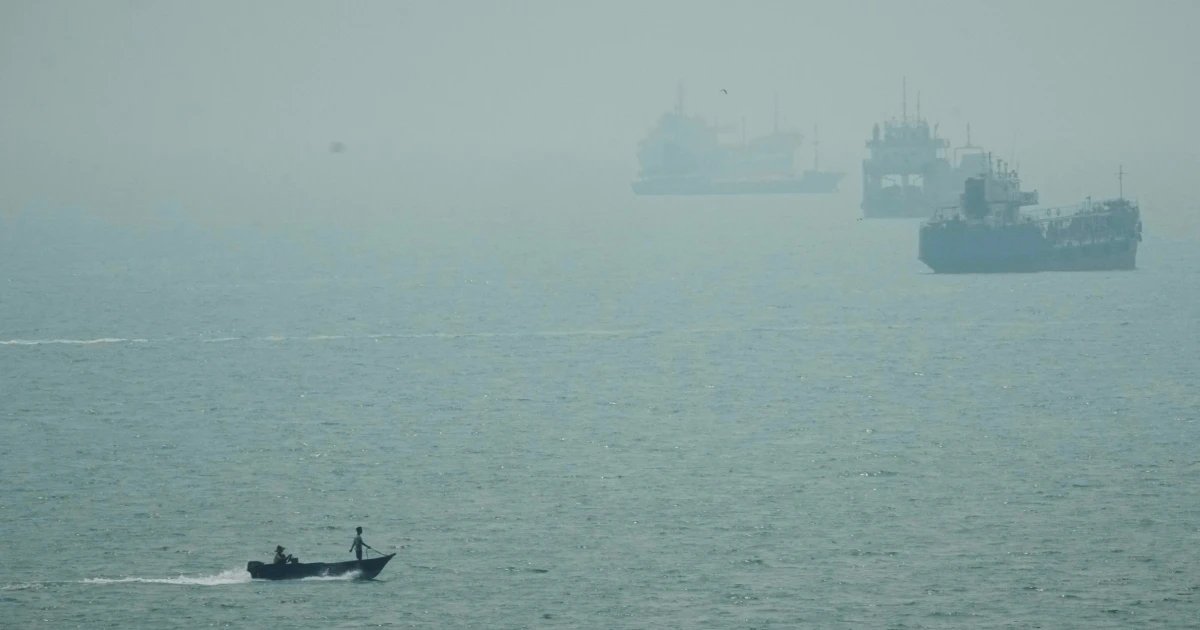








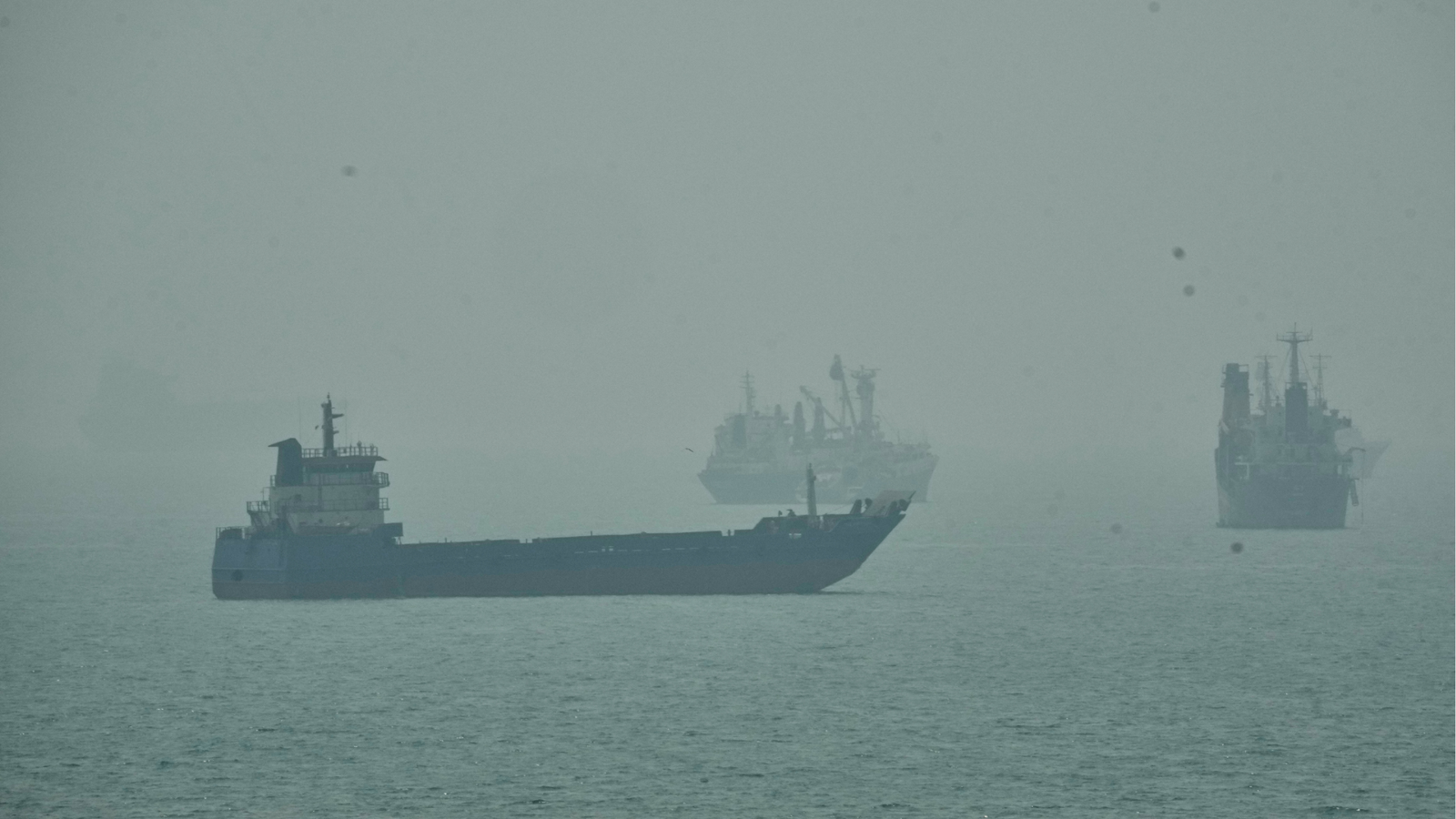
WASHINGTON — The U.S. military launched a fresh wave of strikes against Iranian oil tankers on Tuesday, escalating a volatile, months-long conflict in the Persian Gulf. A U.S. official, speaking on condition of anonymity to discuss sensitive operations, confirmed the action was a direct response to renewed attempts by Iranian forces to target a Navy warship with ballistic missiles.
The maritime engagement marks a significant intensification of hostilities as the U.S. and Iran remain locked in a tit-for-tat cycle of violence that has shown no signs of abating after more than six months of war.
In an immediate and dangerous escalation, Iran’s Revolutionary Guard Navy issued a direct threat to commercial shipping. Through state-controlled media, the Guard ordered crews of oil tankers anchored near ports in Kuwait and Bahrain to abandon their vessels immediately, warning that the ships would be targeted in retaliation for the American strikes. The statement explicitly accused Kuwait and Bahrain of facilitating the U.S. military’s operations, effectively expanding the theater of the conflict to the coastal waters of U.S. allies.
The latest U.S. operation follows a similar action on Saturday, when the American military struck three Iranian oil tankers after Navy warships came under missile fire. At that time, U.S. officials warned they would, “if necessary, destroy Iran’s limited and exposed oil fleet.” Iran responded by signaling plans to implement an “exclusion zone” near the vital Strait of Hormuz, challenging the legality of transit in the narrow waterway.
Beyond the kinetic military action, the Trump administration signaled it is doubling down on its “maximum pressure” campaign. On Tuesday, the White House announced fresh sanctions targeting more than two dozen commercial and private airlines, as well as foreign cargo service providers. The goal, officials say, is to further isolate Tehran from its remaining global trading partners and cripple its ability to move goods.
The conflict has placed immense strain on global energy markets. The Strait of Hormuz, a critical chokepoint through which approximately one-fifth of the world’s oil flowed prior to the war, has become the epicenter of a strategic standoff. As the U.S. maintains a blockade to squeeze the Iranian economy, Tehran is attempting to force vessels into its own controlled routes.
These disruptions have had immediate domestic political consequences for President Donald Trump ahead of the November midterm elections. Rising fuel costs have become a flashpoint, with the price of a barrel of international standard Brent crude surging to nearly $100 on Tuesday. As both Washington and Tehran continue to vie for control of the sea lanes, the prospect of a wider conflict—and further economic volatility—continues to loom over the region.
Disclaimer: This content is auto-generated for informational purposes only.
Source: Read Original News