







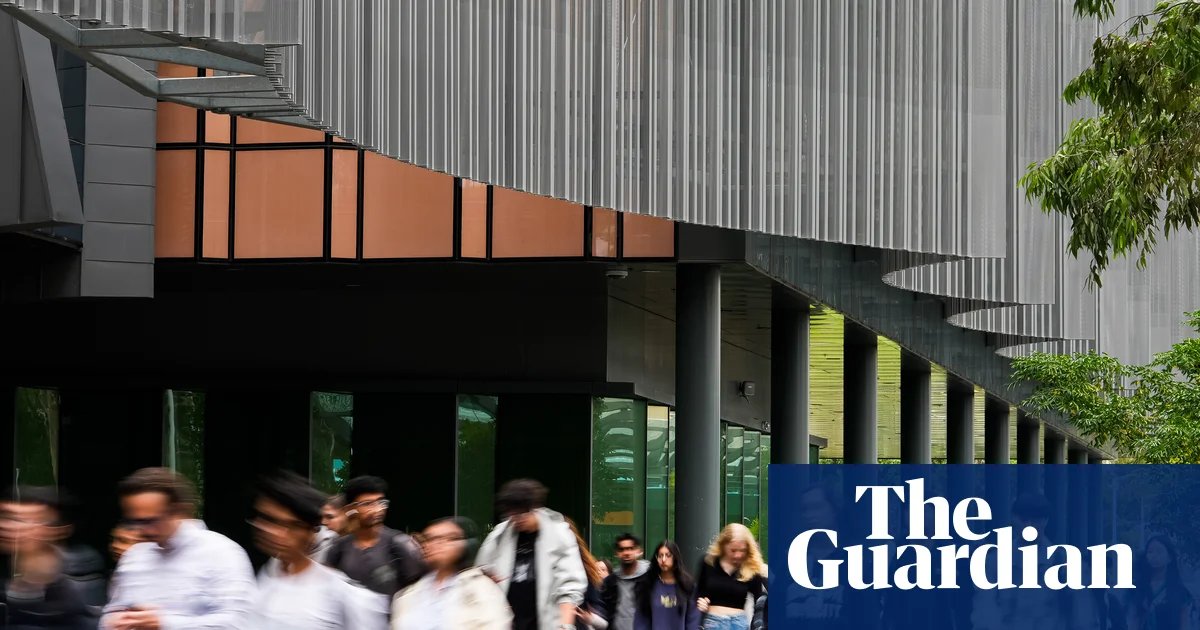
Australian universities are sounding the alarm as a sharp decline in international student enrollments threatens to destabilize the higher education sector. New data from the Department of Education reveals that, on average, universities are filling only two-thirds of their allocated international places, with regional institutions bearing the brunt of the downturn.
According to October figures, just five public universities—all located in major capital cities—have managed to reach more than 80% of their capacity. For regional institutions, the situation is increasingly dire. Mike Ferguson, pro vice-chancellor of international students at Charles Sturt University, reported that his institution has filled only 40% of its cap this year.
“At the moment, we’re around 35% down on where we were last year,” Ferguson said, noting that current international volumes at the university are just 20% of pre-pandemic levels. The shortfall, estimated at $35 million, has already forced the university to initiate job cuts and structural reforms.
Industry leaders attribute the slump to a “perfect storm” of government policy and political rhetoric. Key factors include the hike in visa application fees to $2,500, high refusal rates—particularly for students from South Asia, which sit at approximately 53%—and the intense political discourse surrounding migration.
“It’s creating a large deterrent for new students to come in and apply, knowing they’re having to pay world record visa fees with only a one in two chance of actually getting a visa,” Ferguson said.
The financial strain is rippling across the sector, with experts warning that the crisis will inevitably affect domestic students. Because Australian universities rely on international student fees to cross-subsidise teaching and research, revenue shortfalls are leading to cost-cutting measures that threaten campus services.
“International students are basically the only profitable aspect of university operations,” said Professor Andrew Norton, a higher education expert. Western Sydney University vice-chancellor George Williams echoed these concerns, warning that the budget pressures leave institutions with little choice but to “pull back” on the support and services offered to the broader student body.
In response, some regional universities are calling for a specialized regional skills student visa to bypass current bottlenecks. Duncan Bentley, vice-chancellor of Federation University, argued that such a program could help alleviate critical labor shortages in sectors like allied health and teaching.
“The criteria for this regional visa would be any overseas student who wants to come and study in a regional university… [for] courses on a regional skills shortage list,” Bentley said.
While the government is currently trending toward 250,000 international student enrollments—falling short of its 295,000 target—the political debate shows no signs of cooling. With the Coalition promising further restrictions, such as the potential abolition of temporary graduate visas, universities remain caught in a precarious position, balancing the need for institutional viability against the shifting landscape of national immigration policy.
Disclaimer: This content is auto-generated for informational purposes only.
Source: Read Original News