






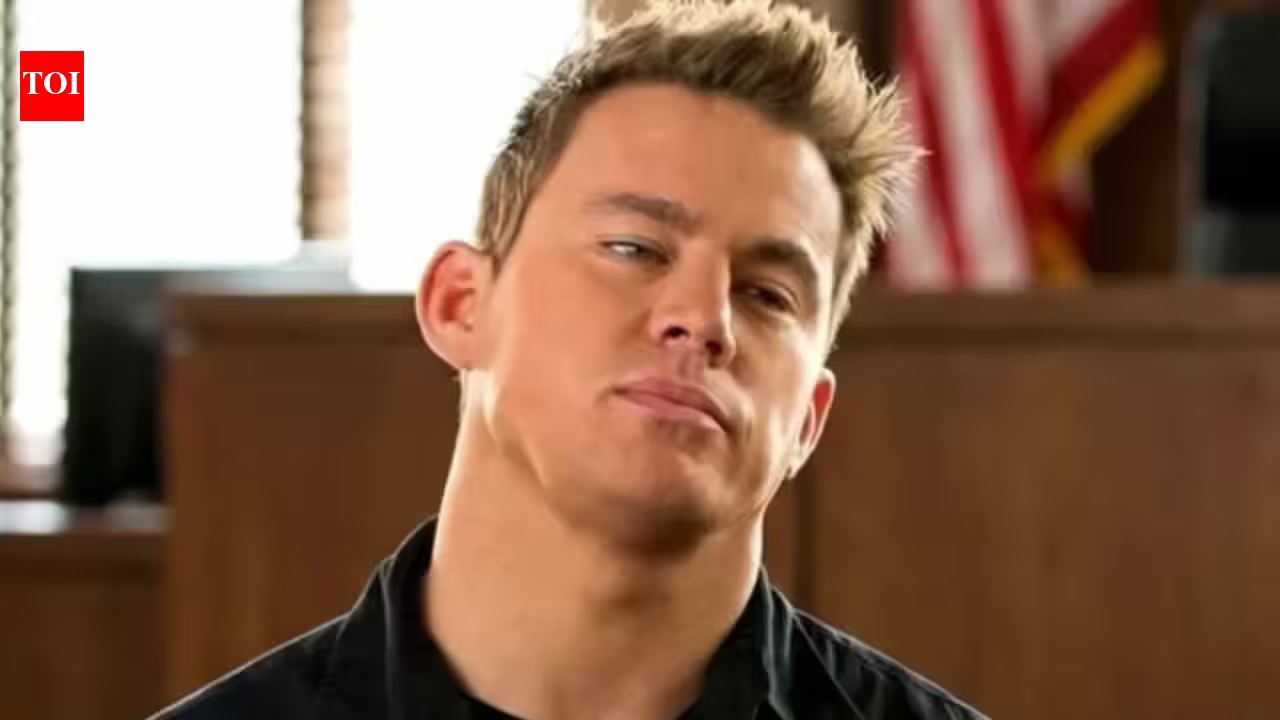
In the ecosystem of celebrity culture, few things travel faster—or more chaotically—than the rumor of a secret “burner” account. This weekend, the internet turned its collective investigative lens toward Channing Tatum, the A-list star behind Magic Mike and 21 Jump Street, following whispers that he was the mastermind behind a spiteful social media handle. The accusation was as specific as it was bizarre: fans were convinced the actor was lurking in the comments sections to disparage his ex-fiancée, Zoë Kravitz, and her current beau, Harry Styles.
The speculation reached a fever pitch before Tatum, in typical direct fashion, decided to put the digital fire out himself. For those who track the intersection of high-profile breakups and online sleuthing, this incident serves as a sharp reminder of how quickly fan-led theories can spiral into narrative-shifting headlines, even when they lack even a shred of tangible evidence.
The Anatomy of a Burner Account Rumor
The controversy centered around an Instagram handle, @bidness_nonya, which had been generating heat by leaving pointed, negative comments under posts featuring Kravitz and Styles. Given that Kravitz and Tatum only recently ended their high-profile three-year relationship—an engagement that dissolved in October 2024—the internet’s “detectives” saw blood in the water.
The account’s activity was abrasive, with one chilling comment bluntly stating, “Just here for the hate.” For the terminally online, the pattern was clear: an aggrieved ex-partner, bitter about a recent split, lashing out from the shadows. As the theory migrated from niche gossip forums to the broader social media consciousness, the assumption that it was Tatum behind the keypad became treated as fact. It was a classic case of projection, where the public’s thirst for a “scorned lover” storyline outweighed the reality of the situation.
Tatum’s Direct Response
It didn’t take long for the noise to reach the actor’s orbit. Rather than letting a PR team issue a sterilized statement, Tatum took to his own Instagram Stories to address the absurdity of the claims. His tone was a blend of amusement, incredulity, and genuine exhaustion at the lengths people go to invent drama.
“Yo, I truly can’t believe y’all think this is what I’m doing with my free time,” Tatum wrote. “F** hilarious. Also, why would I follow a burner account if I didn’t want people to connect me to it? Wtf, come on. But if I really need to say it, I only have one IG account: @channingtatum.”
The logic in his rebuttal was sound—the idea that a global superstar would use an account linked to his own private footprint to engage in anonymous trolling is, frankly, laughable. By calling out the logistical stupidity of the theory, Tatum effectively popped the balloon of the rumor. Within hours of his post, the account in question—which had been the source of the trouble—went inactive, suggesting that the “troll” likely realized the game was up once the target of their vitriol turned the spotlight back on them.
Reflecting on the Kravitz-Tatum Era
The fervor surrounding the rumor speaks to the public’s lingering fascination with the relationship between Tatum and Kravitz. The pair, who had been a Hollywood power couple since 2021, seemed, on the surface, to be a perfect match. Their collaboration on Kravitz’s directorial debut, Blink Twice, was widely seen as the culmination of both a romantic and creative partnership.
However, the reality of high-octane Hollywood relationships often clashes with the fantasy we project onto them. When news of their breakup broke in October, the consensus from insiders was one of practicality rather than malice. Sources noted that the two were simply at different stages of their lives, with demanding professional schedules acting as a wedge. As one statement from the time noted, the pressure of their respective careers played a massive role in their decision to go separate ways. There was no public scandal, no cheating accusations, and no messy social media wars—until the internet decided to manufacture one.
The Privacy Paradox in Celebrity Culture
The fact that Harry Styles is now rumored to be engaged to Kravitz only fueled the flames of the recent burner-account controversy. Styles, a notoriously private individual who has successfully kept most of his personal life out of the tabloids, provides a stark contrast to the performative nature of modern social media.
The incident highlights a growing, uncomfortable trend in celebrity journalism: the expectation that fans are entitled to a forensic accounting of every interaction a star has online. When a relationship ends, the public increasingly demands a villain and a victim. By creating a fictional narrative around a “secret burner account,” the internet was effectively trying to write the second act of a breakup that had, in reality, been handled with quiet maturity by the parties involved.
Moving Past the Digital Noise
As the dust settles on this weekend’s social media cycle, it serves as a bizarre case study in how misinformation takes root. Channing Tatum’s response was a reminder that even the most famous people in the world are subject to the same petty, digital rumors that might plague a high school student—the difference being that when it happens to a movie star, the entire world is watching the screen.
For now, the actor appears to be moving forward, clearly wanting no part of the “bitter ex” narrative that was being crafted for him. It is a win for common sense in an era where digital paranoia often takes the lead. Perhaps, moving forward, the lesson taken from this will be to give celebrities—and the complexities of their private lives—a little more grace, and to recognize that sometimes, a troll is just a troll, and it has absolutely nothing to do with the man behind Magic Mike.
Disclaimer: This content is auto-generated for informational purposes only.
Source: Read Original News