








As St. Tammany Parish grapples with a deepening housing crisis and a contentious political climate surrounding new construction, developer Zach Kupperman has found a strategic loophole that sidesteps the typical gridlock of local real estate development. By breathing new life into shuttered hotel properties, Kupperman is successfully meeting the Northshore’s urgent need for rental units without the environmental or bureaucratic hurdles that have stalled traditional residential projects.
## A Proven Model for Northshore Growth
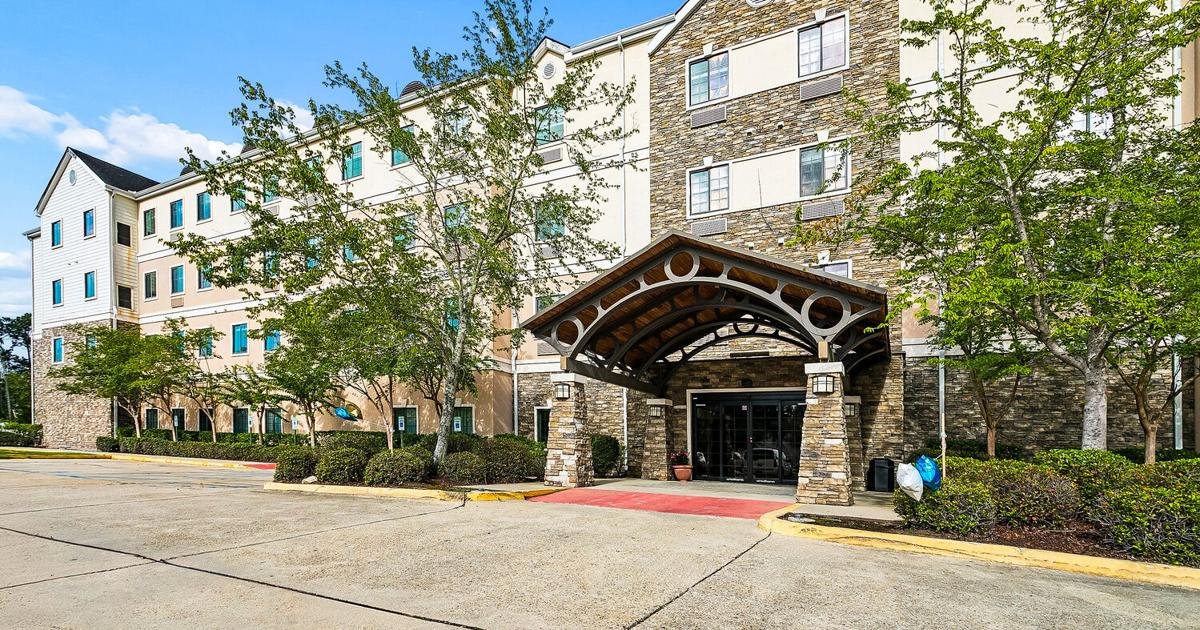
Following the 2023 success of The Fairlane—an 86-unit apartment complex converted from a former Homewood Suites that is now 97% leased—Kupperman has launched a second project: The Linden. Located just a mile from his inaugural venture, the new 100-unit complex occupies the site of the former WeStay Suites at 140 Holiday Blvd.
The strategy relies on a simple premise: renovating existing hospitality infrastructure is significantly faster and more cost-effective than breaking ground on new residential tracts. While high interest rates and inflation have hampered construction sectors nationwide, Kupperman’s team has focused on internal modernization. At The Linden, eight months of renovations included hardwood flooring and cabinetry updates, leveraging the existing kitchens and floor plans of the former extended-stay hotel.
## Navigating the St. Tammany Standoff
This “adaptive reuse” approach has become an essential workaround in St. Tammany Parish, where local opposition to new subdivisions and high-density apartments has reached a fever pitch. In recent years, major proposals like the 800-home Goodbee subdivision were vetoed, and other apartment developments in Covington and Mandeville were effectively blocked by local resistance.
However, The Linden has avoided this fate entirely. Because the site was already zoned for high-density use with pre-existing water, sewer, and parking infrastructure, the project required no rezoning or land clearing. Local council member Pat Phillips praised the project, noting that the development proactively addressed the decay of a vacant hotel while fulfilling a desperate need for housing without imposing new burdens on the parish’s infrastructure.
## Data-Driven Demand and Future Outlook
The regional demand for these units is not merely anecdotal. A study commissioned by the parish indicates that more than 17,000 new housing units will be required by 2030 to accommodate population growth. Currently, the Northshore housing market is dominated by traditional, single-family suburban homes, leaving a distinct gap for smaller, modern apartment rentals—a demographic target that appeals to young professionals and empty nesters alike.
Looking ahead, the success of this model has opened the door for further innovation in the sector. As artificial intelligence and predictive modeling begin to play a larger role in real estate development—helping firms identify high-growth “opportunity zones” and calculate utility load requirements more precisely—developers are increasingly turning to tech-enabled site selection to optimize their portfolios.
Kupperman remains optimistic about the future of this model. While he has diversified his portfolio across various markets, including projects in New Orleans, Colorado, and Texas, his focus on the Northshore remains firm. With the leasing phase at The Linden underway and both local officials and tenants showing support, Kupperman and his business partner, Aryn Spahr, are actively scouting for additional hotel-to-apartment conversion opportunities. In a market where new development is often met with hostility, the conversion of neglected hospitality assets may prove to be the most reliable path to closing the housing supply gap.
Disclaimer: This content is auto-generated for informational purposes only.
Source: Read Original News