






China’s CXMT to Supply Advanced LPDDR6 Memory for Xiaomi’s Next-Gen Foldable Smartphone
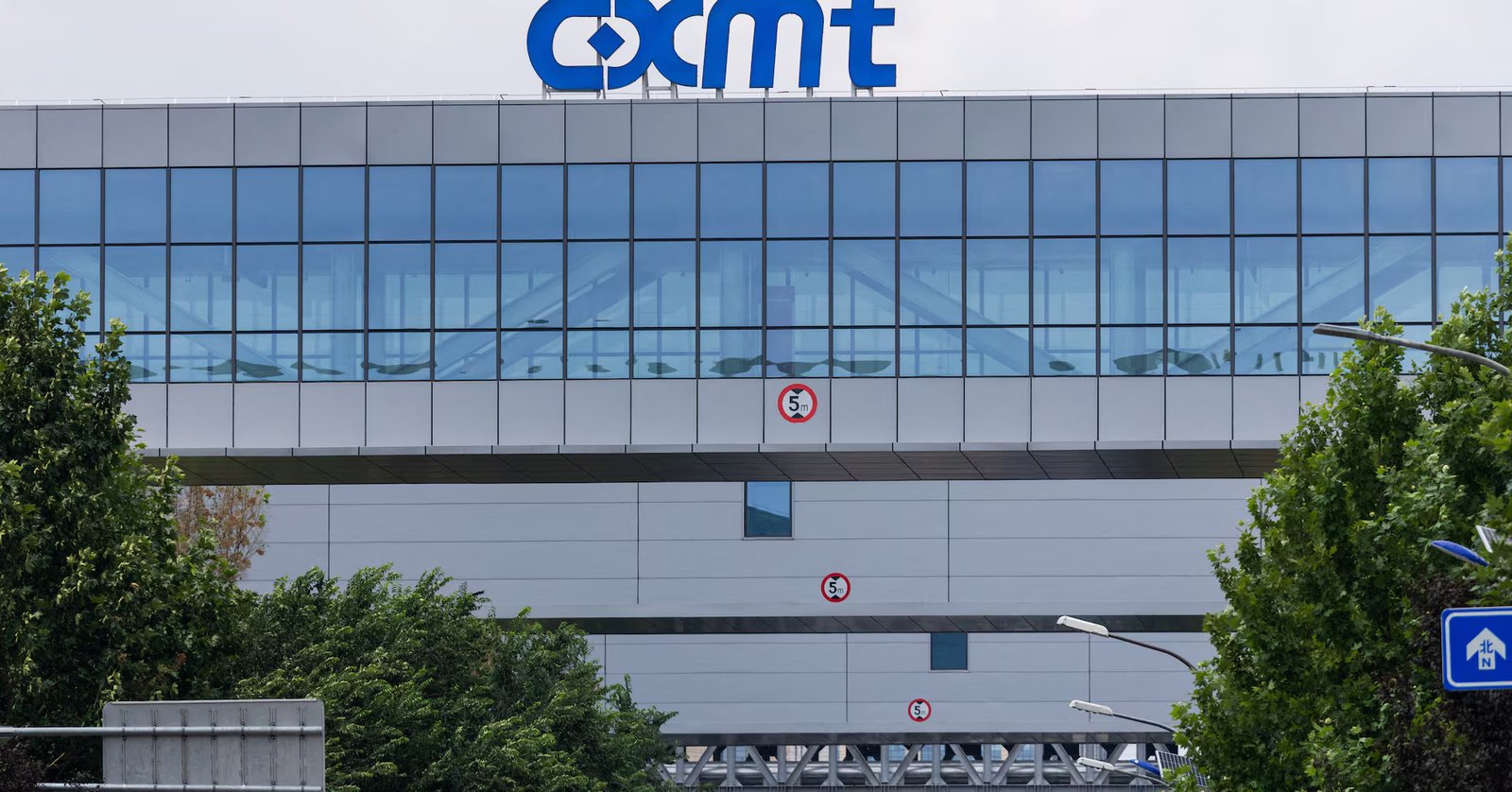
BEIJING — In a significant move that underscores the rapid advancement of China’s domestic semiconductor sector, ChangXin Memory Technologies (CXMT) has announced a strategic partnership to supply its cutting-edge LPDDR6 DRAM chips to smartphone giant Xiaomi.
The collaboration, confirmed by both companies on Saturday, marks a milestone for the Hefei-based manufacturer. CXMT will provide its latest high-speed, power-efficient memory modules for Xiaomi’s forthcoming flagship folding smartphone, signaling a shift in the high-end mobile hardware market.
Scaling the Domestic Supply Chain
The integration of domestically produced LPDDR6 memory into a premium foldable device is a testament to the narrowing technical gap between Chinese chipmakers and their global counterparts. As the smartphone industry continues to pivot toward AI-integrated features and high-performance multitasking, the demand for sophisticated DRAM has skyrocketed.
By securing this partnership, CXMT strengthens its position in the competitive memory chip market, while Xiaomi gains a localized supply chain partner capable of meeting the stringent performance requirements of its high-end foldable lineup. The move is widely viewed as a strategic hedge against international supply chain volatility, ensuring that Xiaomi’s marquee devices remain at the cutting edge of mobile technology.
A Strategic Milestone
Industry analysts suggest that this deal reflects broader efforts by Beijing to foster self-reliance in the technology sector. For Xiaomi, the partnership allows for tighter collaboration in optimizing hardware performance, potentially giving the company a unique edge in memory management for its future folding device architectures.
“This collaboration is a clear indicator that Chinese firms are successfully moving up the value chain,” said industry observers. “Providing LPDDR6 memory for a flagship device is a high-stakes benchmark, and it suggests that CXMT has reached a level of maturity necessary to compete with established global memory leaders.”
Xiaomi has yet to disclose the full specifications of the upcoming handset, but expectations are high. The integration of advanced LPDDR6 memory is anticipated to provide significant improvements in thermal management, power consumption, and data transfer speeds—critical factors for the demanding processing needs of folding screens and generative AI software.
As both companies prepare for the upcoming product launch, the industry will be watching closely to see how this domestic hardware synergy performs in a global market that remains increasingly sensitive to supply chain origins.