








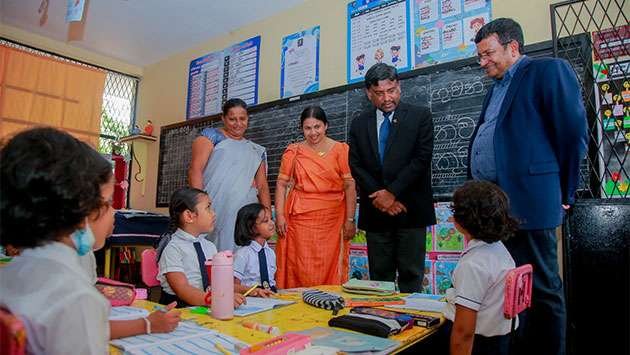
COLOMBO – In a significant policy shift aimed at modernizing the nation’s educational framework, the government has announced a comprehensive plan to integrate digital technology into schools across the country. The initiative, confirmed today by the Deputy Minister of Education, marks a pivotal move to bridge the growing divide between traditional classroom learning and the demands of the modern, tech-driven global economy.
The Deputy Minister emphasized that the integration of digital tools is no longer a luxury but a fundamental necessity. “The landscape of education is evolving rapidly,” the Minister stated. “To equip our youth with the competencies required for the future, we must move beyond conventional textbooks and embrace digital literacy as a core pillar of our national curriculum.”
Under the proposed plan, schools will be outfitted with essential digital infrastructure, including high-speed internet connectivity, interactive smartboards, and access to curated e-learning platforms. The project aims to standardize technological access, ensuring that students in both urban and rural areas benefit from the same high-quality resources. This move is expected to democratize information, allowing students to engage with global research, data, and collaborative tools that were previously out of reach for many.
One of the primary focuses of the initiative is teacher training. The Ministry acknowledges that technology is only as effective as the educators using it. As a result, the rollout will be accompanied by widespread professional development programs designed to upskill teachers in digital pedagogy. These programs will empower educators to move from being mere dispensers of information to facilitators of digital exploration, encouraging students to develop critical thinking and problem-solving skills in an interactive environment.
The announcement comes following growing concerns from industry experts who have noted a widening skills gap between graduates and the requirements of the modern workforce. By introducing coding, data literacy, and digital ethics at a primary and secondary level, the government hopes to create a pipeline of talent that is ready to compete on the global stage.
“This is about future-proofing our generation,” the Deputy Minister added. “We are not just adding gadgets to classrooms; we are transforming the way we teach and the way we learn. Digital technology will act as an equalizer, ensuring that every child has a fair chance to succeed in the 21st century.”
While the Ministry has not yet released a detailed timeline for the nationwide rollout, officials confirmed that pilot programs will commence in selected districts in the coming months. These trials will assess the logistical requirements and technical challenges, such as electricity stability and maintenance support, before a full-scale national implementation.
Critics have pointed out that sustained funding and consistent maintenance of technical hardware will be the program’s greatest hurdles. However, the Ministry remains optimistic, noting that private-public partnerships are being explored to ensure the financial and technical sustainability of the project.
Disclaimer: This content is auto-generated for informational purposes only.
Source: Read Original News