








Former India captain Sunil Gavaskar has publicly raised concerns regarding the prevalent injury crisis plaguing the national cricket team, particularly questioning the efficacy of current player fitness methodologies. His remarks come amidst a distressing period where a significant number of key players, including Jasprit Bumrah, Sai Sudharsan, Washington Sundar, Hardik Pandya, Nitish Kumar Reddy, and Harshit Rana, are concurrently sidelined due to various ailments. This growing list of unavailable talent has ignited widespread debate and scrutiny, with many pointing fingers at the Board of Control for Cricket in India’s (BCCI) Centre of Excellence (CoE) in Bengaluru, as well as head coach Gautam Gambhir and chairman of selectors Ajit Agarkar.
However, Gavaskar staunchly defends the medical professionals at the CoE, arguing that it is fundamentally unfair to lay the blame solely at their feet. Instead, the legendary cricketer, a veteran of India’s 1983 World Cup victory, emphasizes that the recurring nature of injuries, particularly hamstring strains which have become alarmingly common among Indian players, points towards a more systemic issue rooted in the current training regimes. He asserts that a deeper, more critical examination of these methods is urgently required. This perspective aligns with VVS Laxman, the Head of Cricket, and BCCI secretary Devajit Saikia, who recently clarified the role of the CoE, stressing that it functions as more than just a rehabilitation center.
Gavaskar articulated his viewpoint in a column for Mid-Day, stating, “While Bumrah has a knee injury, it is seen that most Indian players suffer from hamstring injuries. Clearly, there’s something wrong with their training, and that’s why these recurring hamstring injuries. These injuries happen when they are playing for India, but unfortunately, the blame is put on the physios at the BCCI centre of excellence.”
Beyond the broader training philosophy, Gavaskar also expressed reservations about specific practices, notably the increasingly common restrictions imposed on bowlers during net sessions. These limitations, often justified under the guise of managing biomechanics and workloads, strike Gavaskar as counterproductive. He questions the logic behind allowing bowlers to bowl a significantly reduced number of deliveries in practice compared to what they are expected to deliver in a match. He highlighted, “The so-called biomechanics, where a bowler can bowl only so many deliveries in the practice nets, is a questionable practice. Even in the IPL, it is learnt that some of the overseas physios don’t allow the bowlers to bowl more than 20 balls in the nets. If in the match you will be bowling 24 balls, that is, if you don’t bowl no-balls and wides, then how is bowling a lesser number in the nets going to help?”
Furthermore, the former Indian captain challenged the prevailing emphasis on gym-based conditioning, suggesting that it might be overshadowing the paramount importance of being adequately prepared for the dynamic and specific demands of actual match play. He believes the focus should shift towards developing ‘match fitness’ rather than simply ‘gym fitness’. Gavaskar acknowledged that his views might be rooted in a different era of sports, but he firmly believes that the persistent injury woes demand a thorough and honest introspection, rather than simply attributing them to the medical staff at the CoE.
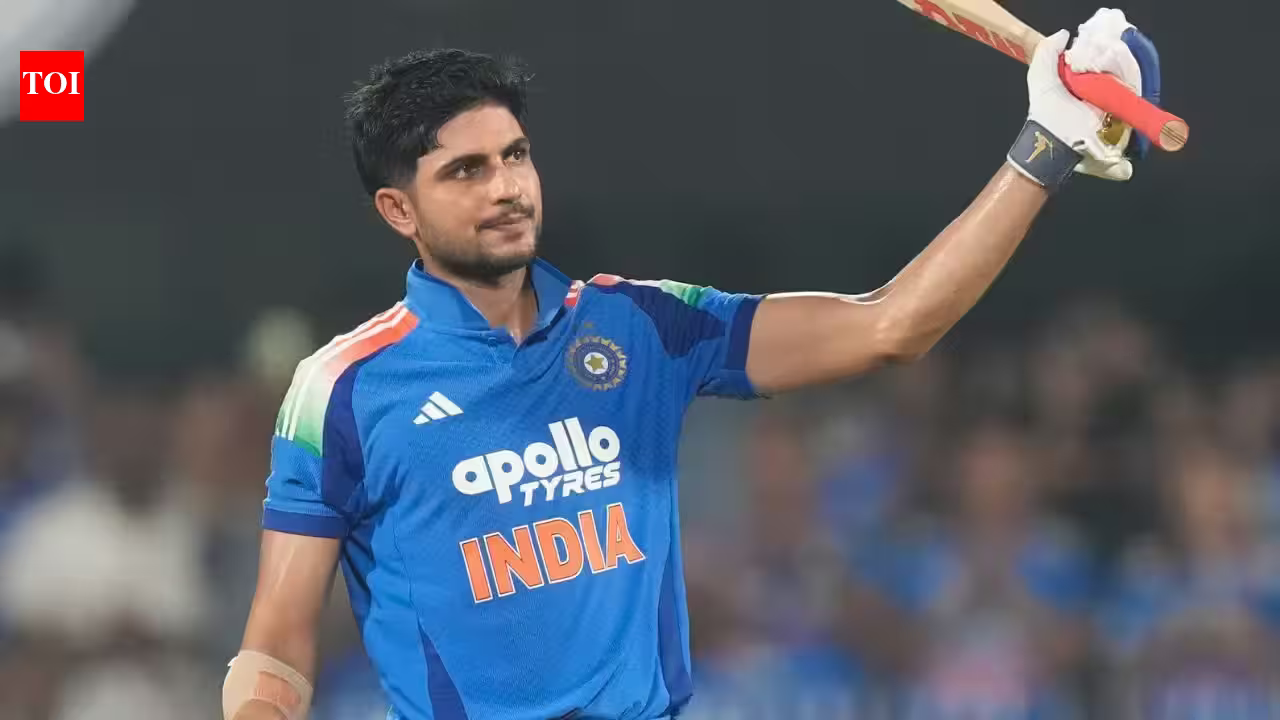
The severity of India’s injury concerns has also been echoed by current captain Shubman Gill. Following a recent ODI series defeat against England, Gill openly conveyed his frustration regarding the constant disruptions to the team’s playing XI due to injuries. He pointed out the immense physical demands of upcoming tournaments, such as the World Cup, where teams are expected to play a high volume of matches. Gill questioned how players would be able to sustain such a workload if they are already struggling to maintain availability for even a handful of games.
As the list of injured players continues to grow and hamstring issues persist, the debate surrounding India’s player fitness methodologies and injury management strategies is set to intensify. Gavaskar’s insightful comments effectively steer the conversation away from merely faulting the CoE physios and instead encourage a comprehensive reevaluation of the broader approach to player training, readiness, and long-term athletic sustainability within Indian cricket.