








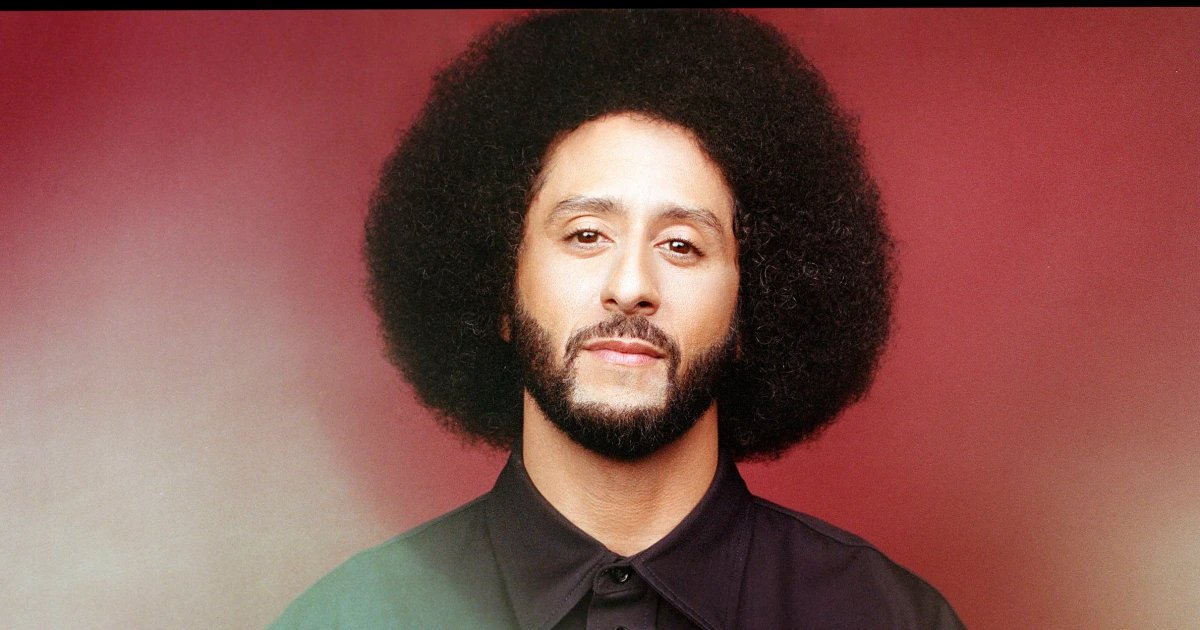
The Unfinished Business of Colin Kaepernick: A League’s Reckoning and a Player’s Exile
For years, the narrative surrounding Colin Kaepernick’s absence from the NFL has been one of mystery, denial, and frustration. Yet, for many close to the game, the reality was never in doubt. The league that provided a platform for Michael Vick following his incarceration for dogfighting, and that granted Deshaun Watson a $230 million contract despite facing accusations of sexual misconduct from more than 20 women, somehow found no room for a quarterback who had only recently led his team to a Super Bowl and an NFC Championship game.
In a recent reflection on his tenure in the league and the subsequent silence that followed his protests, Kaepernick describes his exclusion not as a single, isolated moment, but as a deliberate culmination. “Coming on the back of going to a Super Bowl, going to an NFC Championship, setting records, and not a single team would bring me in, even for a workout?” he recounts.
The Anatomy of an Ousting
The skepticism surrounding the NFL’s treatment of Kaepernick intensified in 2017. As the Miami Dolphins opted to sign a retired Jay Cutler to replace an injured starter, league executives were simultaneously working to discredit the theory that Kaepernick was being intentionally blackballed.
Behind the scenes, the story was different. Kaepernick notes that various coaches and general managers reached out to him, expressing a desire to bring him in, only to be “shut down from above.” Among those, Kaepernick writes in his book, was then-Baltimore Ravens head coach John Harbaugh. According to the former 49er, Harbaugh pushed to sign him but was ultimately overruled by higher-ups.
This atmosphere of alleged collusion led Kaepernick to file a formal grievance against the NFL, asserting that owners were conspiring to keep him off the field due to his social justice activism. While NFL Commissioner Roger Goodell consistently denied organized collusion—maintaining in 2020 that he would “love to see him play again”—the sentiment among many former players remained firm. “Everybody believes that he was blackballed,” one former player remarked. “Players knew that this would happen. That was a firm belief around the league.”
A Performative Turn
As the NFL navigated the fallout of a divisive political climate and a dip in television ratings, the league shifted its strategy. In 2017, it began a partnership with the Players Coalition to address systemic issues. Critics, including those within the league, viewed this as an attempt to “turn the temperature down” on protests and restore the status quo.
The divide became even more apparent in 2019 during a botched, midseason workout arrangement. The event, which fell apart over a controversial liability waiver Kaepernick refused to sign, only fueled the narrative that he was not serious about returning. Kaepernick countered that the waiver was a transparent attempt to strip him of his employment rights.
The inflection point for the broader public arrived in 2020, following the death of George Floyd at the hands of police. As global protests erupted, the NFL felt immense pressure to pivot. In a video message, Goodell declared, “We, the National Football League, admit we were wrong for not listening to NFL players earlier.”
For Kaepernick, the gesture was far from profound. “His response through that video was only because of pressure from players, not because it was altruistic,” Kaepernick said. He found the league’s sudden shift in tone “laughable” and “performative,” noting the hypocrisy of an organization that claimed to want to “listen” while simultaneously continuing to exclude him.
Defining a Movement
Throughout his time away from the gridiron, Kaepernick maintained a disciplined silence regarding the daily media cycle. He explains that his reticence was intentional, aimed at avoiding a cult of personality. “No individual should be speaking for everyone across the country,” he says. “It’s also being able to enable other people to step into leadership positions, because that’s what movements actually are.”
Despite the immense personal cost—both financial and professional—Kaepernick’s legacy remains a defining chapter in modern sports. As the conversation regarding [Colin Kaepernick](https://www.nbcnews.com/sports/football/ex-nfl-star-colin-kaepernicks-unfinished-business-rcna590129” target=”_blank” rel=”nofollow) continues to evolve, the questions he forced the NFL to ask itself—about complicity, racism, and the power of the individual—remain as relevant today as they were when he first took a knee.