







Himalayan Collapse: Experts Point to Tectonic Shifts and Climate Change in Rare Glacier Disaster
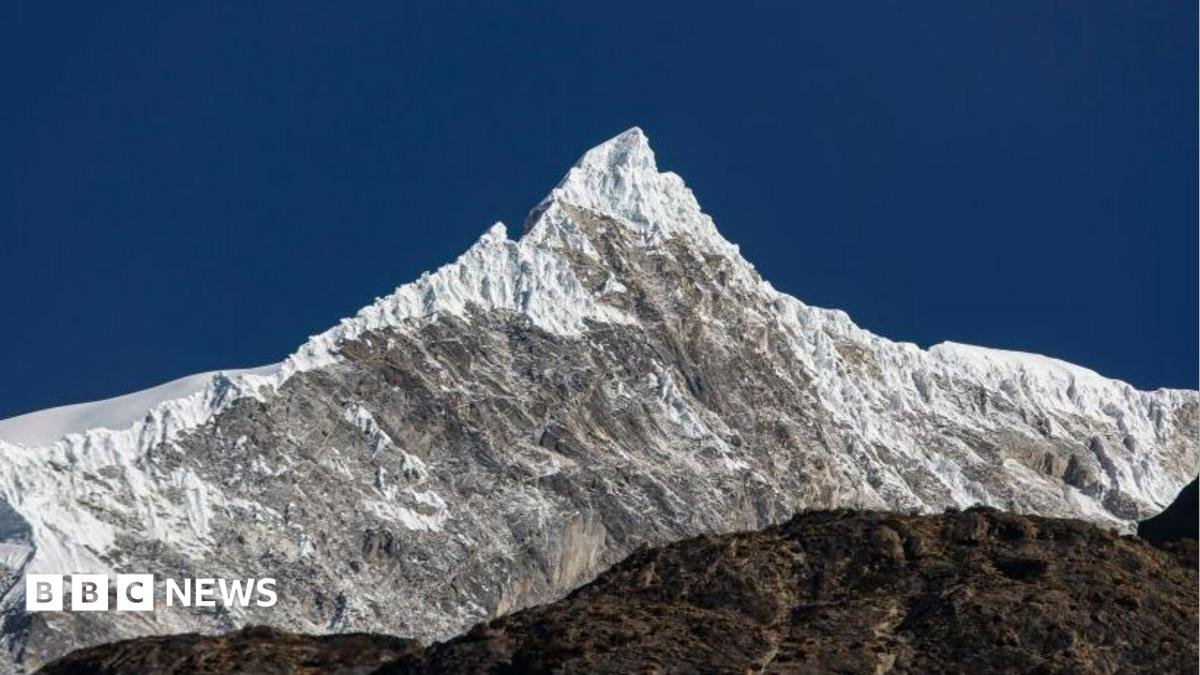
KATHMANDU — The recent catastrophic collapse of a glacier on Langtang Lirung has left experts searching for answers, as the sheer scale of the event challenges traditional understanding of high-altitude geological hazards.
While the exact trigger for Wednesday’s collapse remains under investigation, geologists suggest the disaster is the result of a “perfect storm” created by long-term tectonic activity and the accelerating impacts of climate change.
A Mountain Under Pressure
According to researchers, Langtang Lirung is currently undergoing significant physical transformation. Like much of the Himalayan range, the mountain is being pushed upward by persistent tectonic forces—a process occurring as one continental plate drives beneath another.
“It’s like putting a jack under the car and then jacking it up,” explained one expert, noting that as the mountain rises, the glaciers perched upon its slopes become increasingly steep. Under these conditions, the shedding of ice is an inevitable, albeit usually manageable, occurrence.
Historically, such events involve relatively small chunks of ice breaking off, occasionally creating temporary blockages in river systems that are quickly cleared by natural water flow. However, Wednesday’s event defied historical patterns, with reports indicating that the entire glacier appeared to collapse “in one go.”
An “Unusual” Scale of Destruction
For researchers who study the region, the total failure of the glacier is described as “very unusual.” While seasonal flooding and glacial shifts are common in the Himalayas, the magnitude of this week’s incident signals a shift in the region’s volatility.
“These floods happen all the time, but not at this scale,” the expert noted.
The scientific consensus suggests that this disaster was likely fueled by two distinct but overlapping forces: the ongoing geological uplift of the Himalayas and the rising global temperatures associated with climate change. As high temperatures accelerate the melting of glaciers, the structural integrity of these icy formations is compromised.
The New Normal?
The convergence of these tectonic and environmental factors is increasingly creating catastrophic scenarios that experts fear are becoming the new baseline for the region.
“The whole thing is combining to form these catastrophic disasters that we are now seeing on a regular basis,” the expert warned.
As investigations continue, the collapse serves as a sobering reminder of how rapidly the world’s highest mountain ranges are changing, potentially placing downstream communities at greater risk than ever before. Authorities continue to monitor the area for secondary hazards as recovery and assessment operations proceed.