








NYC Chamber CEO Blasts Mayor’s City-Run Grocery Plan as ‘Disastrous’ Amid Expanding Legal Fight
New York City’s ambitious plan to enter the retail food sector is facing mounting scrutiny as local business leaders and the legal community intensify their opposition. Mark Jaffe, President and CEO of the Greater New York Chamber of Commerce, has labeled the initiative “disastrous” for local entrepreneurs, accusing the administration of Mayor Zohran Mamdani of overstepping its bounds into private enterprise.
Jaffe, who serves as legal counsel and a founder of the Multicultural Business Coalition, is currently spearheading the legal resistance against the proposal to launch five city-owned, taxpayer-subsidized grocery stores—one in each borough.
“Government should not be in the business of taking out private enterprise,” Jaffe told Fox News Digital. “That is not what America’s about.”
A Legal Battleground
The opposition has moved from public criticism to the courtroom. A class-action lawsuit is currently challenging the policy, arguing that it violates the state Constitution’s equal protection clause and New York civil rights laws. A second suit explicitly seeks to halt the operation of these municipal markets, demanding that the city provide necessary studies and economic analysis before proceeding.
According to Jaffe, the administration’s refusal to engage with concerned business owners forced their hand. “They’re embarking on a plan that will be disastrous for people that are in business and creating jobs,” he stated. “The heartless administration feels that if you can’t compete with one city-run grocery store, you shouldn’t be in business. That’s just wrong.”
The Economic Controversy
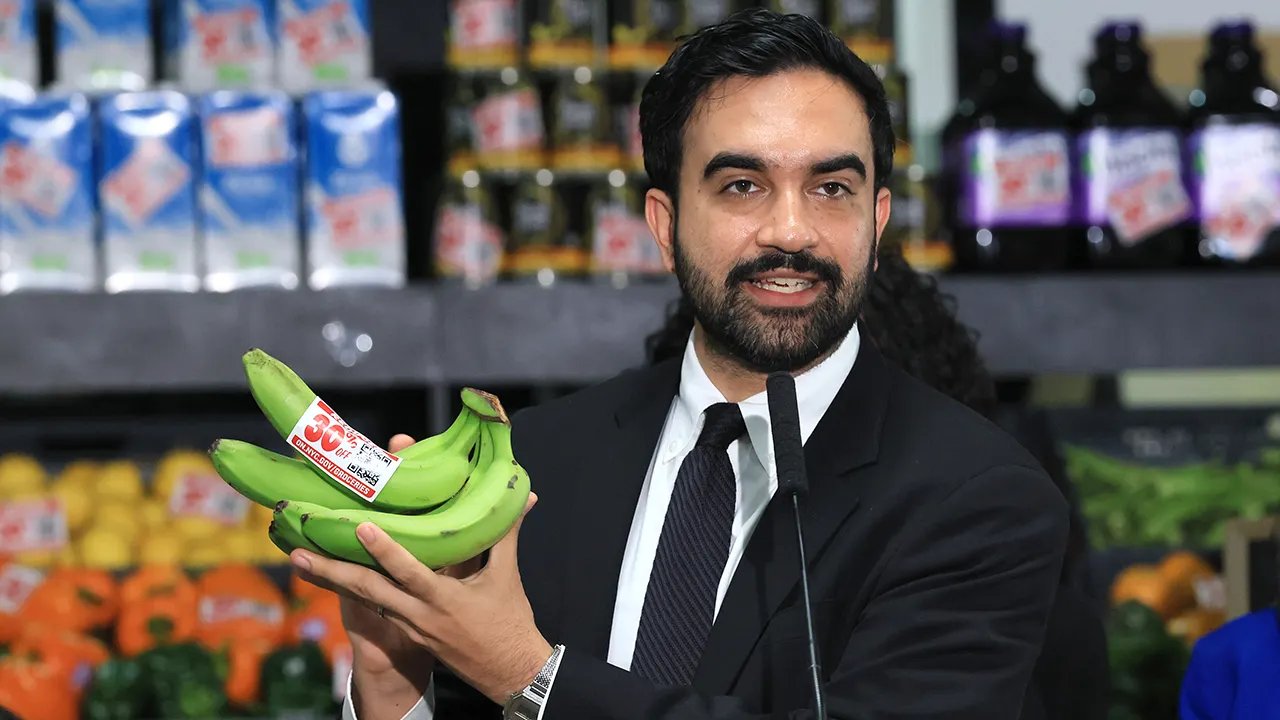
Mayor Mamdani’s plan involves the city owning land and covering overhead costs like rent and construction, while private operators are selected to run the daily business. The core selling point of the initiative is a promise to price a “basket” of staples—including fresh produce, meat, and dairy—30% lower than typical retail rates to combat the city’s cost-of-living crisis.
Critics, however, argue the model is fundamentally flawed. Jaffe suggests that the plan ignores the practical needs of the disadvantaged, noting that a single store in a borough cannot effectively serve residents who need immediate, local access to food. He proposed that the city would be better served by providing direct financial assistance, such as electronic debit cards, to help the needy shop at existing local businesses.
Furthermore, Jaffe warned of potential black-market exploitation: “If I wanted to buy, hypothetically, bananas, and I can get 30% off, what is to prevent me from getting all the bananas I could possibly fit in my cargo van and then selling them on the streets at 15% off?”
He also raised concerns regarding transparency, pointing to the $30 million allocated for the East Harlem location—a figure he argues is significantly inflated compared to industry standards for similar projects, hinting at the potential for political “patronage.”
The Mayor’s Defense
Mayor Mamdani remains unmoved by the litigation, maintaining that the stores are a necessary intervention in an era of rising food costs. “I continue to be fully confident in both the legality and the importance of our initiative,” Mamdani said.
The Mayor pointed to existing examples, such as the Essex Street Market and Moore Street Market, as evidence that city-subsidized retail can coexist with small businesses. When asked how the administration would support local shop owners affected by the change, he pointed to a broader goal of reducing regulatory hurdles for all grocers and “bodegueros.”
As the government-linked grocery stores remain on track for their 2029 rollout in East Harlem, Jaffe hinted that the legal fight is far from over, suggesting that a third lawsuit focused on antitrust concerns could be on the horizon.