









Beyond the Rivalry: Assessing Naval Professionalism at Sea
New Delhi: Encounters between Indian and Pakistani warships are frequently framed through the lens of a historical, high-stakes rivalry. When vessels from these two nations find themselves in close proximity, the narrative often defaults to a binary struggle between two flags. However, focusing solely on this strategic friction overlooks a more fundamental metric: the professional obligations that navies have toward the maritime domain and the safety of all those traversing it, irrespective of national allegiance.
The Mandate of Maritime Conduct
A warship’s mission extends far beyond combat readiness. It encompasses the rigorous navigation of international waters, the maintenance of predictable maneuvering patterns, and strict adherence to established bilateral and international safety protocols. When judging naval behavior, the focus should shift from the headline-grabbing nature of “close encounters” to the standard of professionalism displayed by the officers and crews involved.
Central to this is the 1991 bilateral agreement between India and Pakistan, specifically Article 10. This provision mandates that naval vessels and submarines maintain a minimum distance of three nautical miles. This rule is not a gesture of goodwill; rather, it is a pragmatic mechanism designed to mitigate the risks of human error or miscalculation. In a theater involving two nuclear-armed states, this buffer zone provides essential time for identification, communication, and course correction.
While historical incidents, such as the 2011 encounter between INS Godavari and PNS Babur, highlight the dangers of violating these protocols, the discourse must be grounded in facts rather than speculation. Both nations are signatories to major international frameworks, including UNCLOS and various International Maritime Organization (IMO) conventions. Therefore, the essential question is not whether these nations respect maritime law in principle, but whether specific operational maneuvers comply with safe speeds, distance requirements, and established communication channels.
Duty Beyond Borders
The true test of a navy’s professionalism lies in its conduct during humanitarian crises. In recent years, the Indian Navy has demonstrated a clear prioritization of human life over geopolitical tensions.
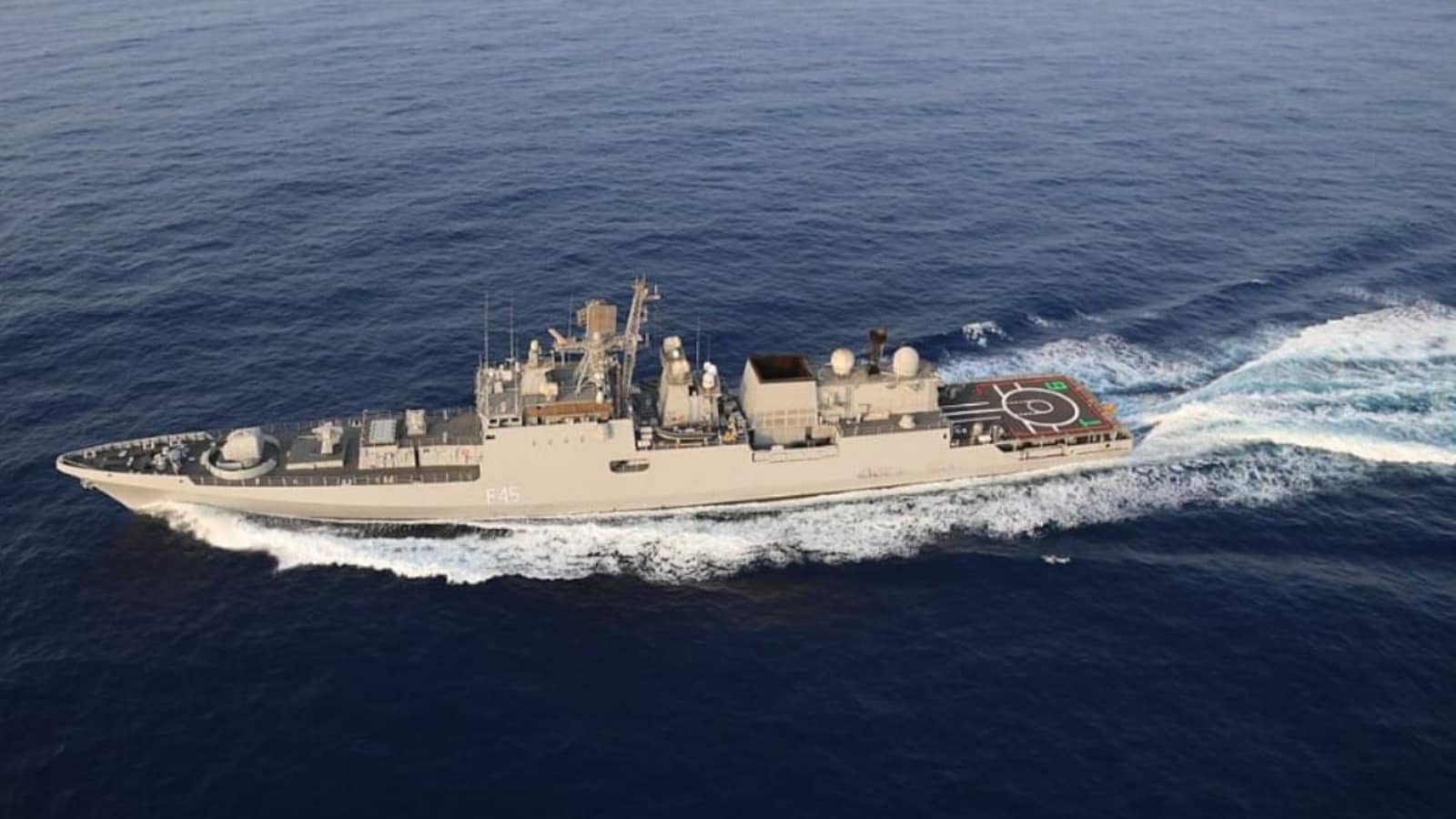
In January 2024, INS Sumitra conducted a high-stakes rescue mission, saving 36 individuals from hijacked fishing vessels, including 19 Pakistani nationals. This was not an isolated incident. The Indian Navy’s proactive stance has been consistent: from the decisive intervention by INS Kolkata in the liberation of the MV Ruen—where the safety of the crew remained the primary objective throughout the operation—to the medical assistance provided by INS Trikand in April 2025. During the latter, medical personnel boarded a vessel to treat a critically injured Pakistani sailor, providing life-saving care before allowing the ship to resume its journey.
These actions define a navy by its ability to separate humanitarian duty from the strategic realities of the state it serves. By treating those in distress as individuals in need rather than subjects of a rival power, India has signaled a commitment to the “code of the sea.”
Ultimately, if the Indian and Pakistani navies are to reduce the potential for accidental conflict, the conversation must move past the rhetoric of enmity. By focusing on the transparent application of maritime rules and consistently upholding the duty to assist mariners in danger, both nations can ensure that the sea remains a space for responsible conduct rather than an arena for unnecessary escalation.
Disclaimer: This content is auto-generated for informational purposes only.
Source: Read Original News