








Colombia’s burgeoning green hydrogen sector has positioned itself as a major economic frontier, with the National Business Association of Colombia (ANDI) identifying a pipeline of projects representing an investment opportunity north of $20 billion. As the nation pivots from a primary focus on exports toward cultivating robust domestic demand, industry leaders are framing the transition as a cornerstone for long-term national growth.
## Transforming the Economic Landscape
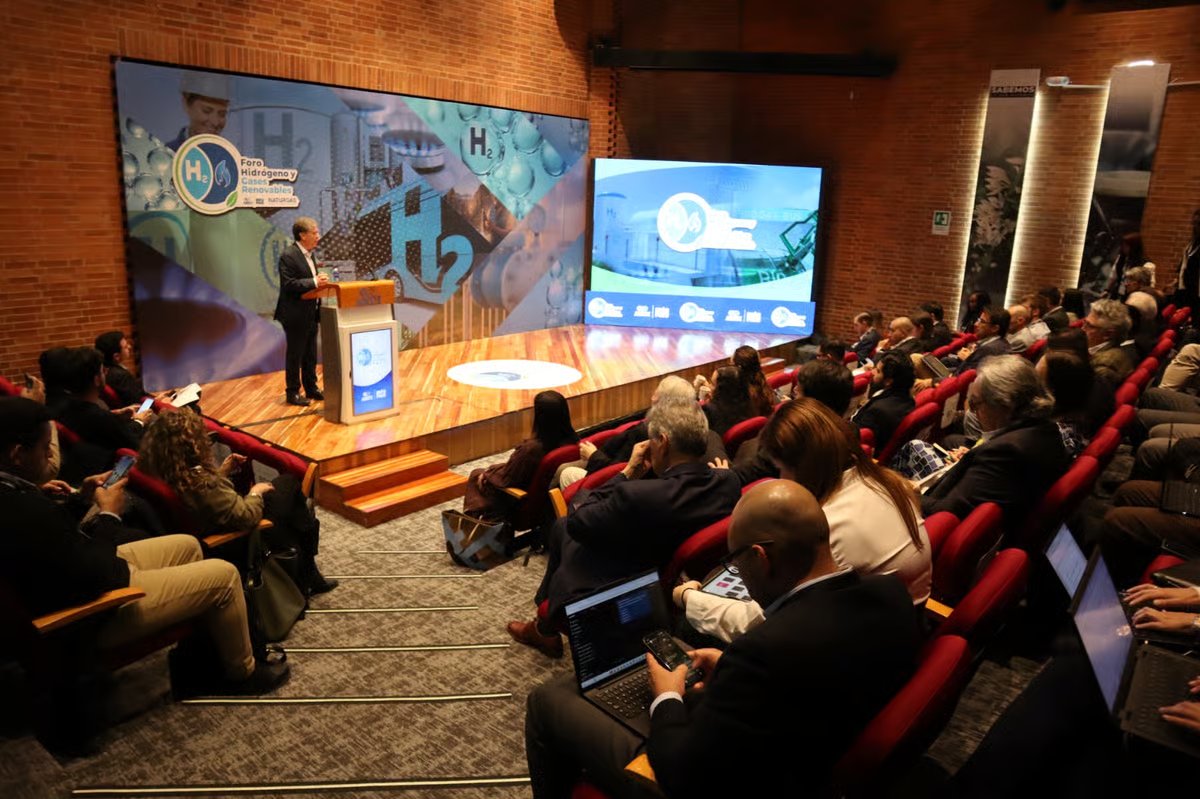
At the recent Hydrogen and Renewable Gases Forum, ANDI President Bruce Mac Master underscored the strategic importance of this energy transition. According to ANDI, there are currently 72 projects in the works, a figure that highlights the country’s aggressive pursuit of decarbonization. By integrating green hydrogen into sectors such as heavy transportation, refineries, and the burgeoning domestic fertilizer industry, Colombia aims to create significant production linkages that could revitalize its industrial base.
This shift toward domestic consumption is gaining momentum. A legislative bill is currently advancing through the Colombian government, seeking to establish a framework for hydrogen-derived fertilizers. Furthermore, state-owned energy giant Ecopetrol is taking concrete steps at its Cartagena refinery by deploying a 5MW electrolyser, a move designed to displace 800 tonnes of grey hydrogen annually with a greener alternative.
## Digital Integration and the Energy Transition
The scale of this transition is supported by the intersection of renewable energy and digital transformation. As the industrial sector modernizes, companies are increasingly turning to data analytics and AI-driven infrastructure to optimize the production and distribution of hydrogen. By leveraging cloud-based platforms—similar to those utilized by global tech leaders like Google Cloud—Colombian energy firms can better manage the intermittent nature of wind and solar power.
Integrating real-time data monitoring and predictive maintenance models is essential for managing the efficiency of electrolysers. As these projects move from planning to operation, the role of high-performance computing becomes paramount. By utilizing sophisticated software tools to simulate energy demands and grid capacity, developers can reduce the risks associated with large-scale infrastructure investments, ensuring that the country’s 2030 target of 120,000 tonnes of low-carbon hydrogen production remains within reach.
## Bridging the Gap Between Ambition and Implementation
Despite the optimism surrounding the $20 billion figure, experts remain cautious about the timeline for realization. Discrepancies exist between local industry tallies and international databases, such as the International Energy Agency (IEA), which tracks fewer active projects due to cancellations and fluctuating market conditions.
Mac Master acknowledged that while Colombia possesses the natural wind and solar assets required to lead in green hydrogen, the primary bottleneck is not resource availability, but rather the creation of a stable regulatory environment.
“Colombia doesn’t lack resources. What we lack is implementation and reaching an agreement on the rules and conditions that will allow us to put those resources to work,” Mac Master noted.
For the country to capitalize on its potential, stakeholders must unify behind a clear legislative framework. The government’s long-term goal of producing 1.8 million tonnes of low-carbon hydrogen by 2050 depends heavily on the ability to translate conceptual project pipelines into bankable assets. If Colombia can successfully navigate the complexities of policy and infrastructure development, it could serve as a model for emerging economies looking to merge sustainable energy goals with industrial innovation. As the sector evolves, the focus will likely remain on refining these regulatory conditions to attract the necessary global capital required to sustain this ambitious energy trajectory.
Disclaimer: This content is auto-generated for informational purposes only.
Source: Read Original News