








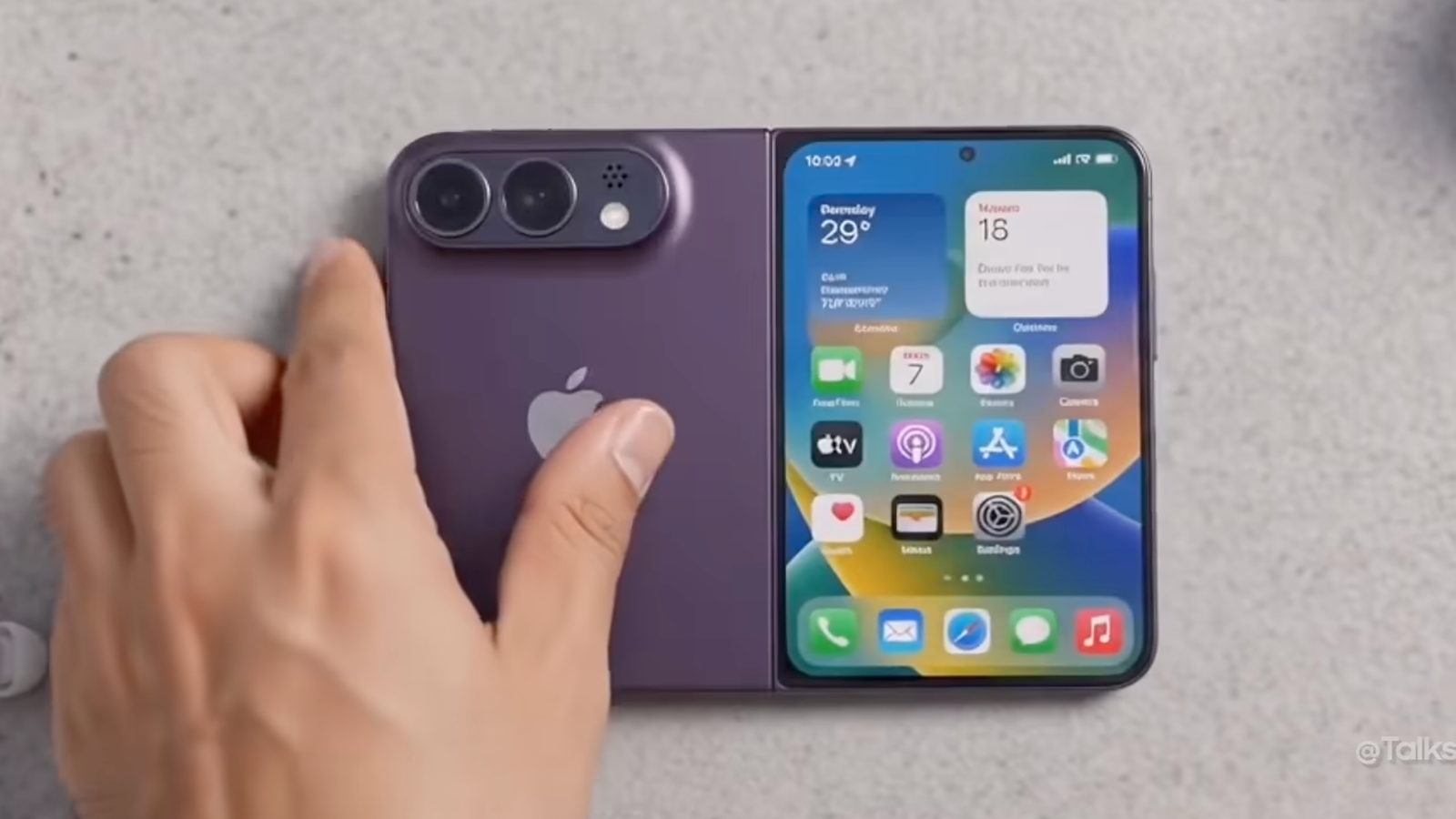
The anticipated arrival of a folding iPhone—often referred to by enthusiasts as the iPhone Ultra or iPhone Flip—has ignited intense speculation regarding Apple’s entry into the foldable hardware market. As rumors intensify ahead of a potential announcement, the discussion has shifted from technical specifications and display technology to the practical, physical implications for the end-user. While the allure of a device that can expand into a larger screen is undeniable, experts are raising concerns about the potential for long-term musculoskeletal discomfort, specifically regarding hand and thumb strain.
The Weight Factor in Modern Mobile Design
One of the primary concerns surrounding the foldable form factor is the inherent increase in mass required to support complex hinges and dual display assemblies. Current projections suggest that a foldable iPhone could weigh significantly more than the standard iPhone 17. Industry analysts estimate an additional 78 grams of weight when the device is folded compared to traditional models. While this might seem marginal in a static sense, the cumulative effect of holding a heavier device over extended periods during daily tasks is a point of concern for ergonomic specialists.
As mobile devices have moved toward larger form factors, users have already reported issues such as “iPhone pinky,” a phenomenon where the base of the small finger becomes sore or develops a slight indentation from supporting the weight of a smartphone during prolonged usage. The transition to a heavier, thicker foldable device threatens to shift that stress from the small finger to the thumb, which is the primary digit used for navigation, typing, and swiping across the touch interface.
Ergonomic Strain and the Anatomy of the Hand
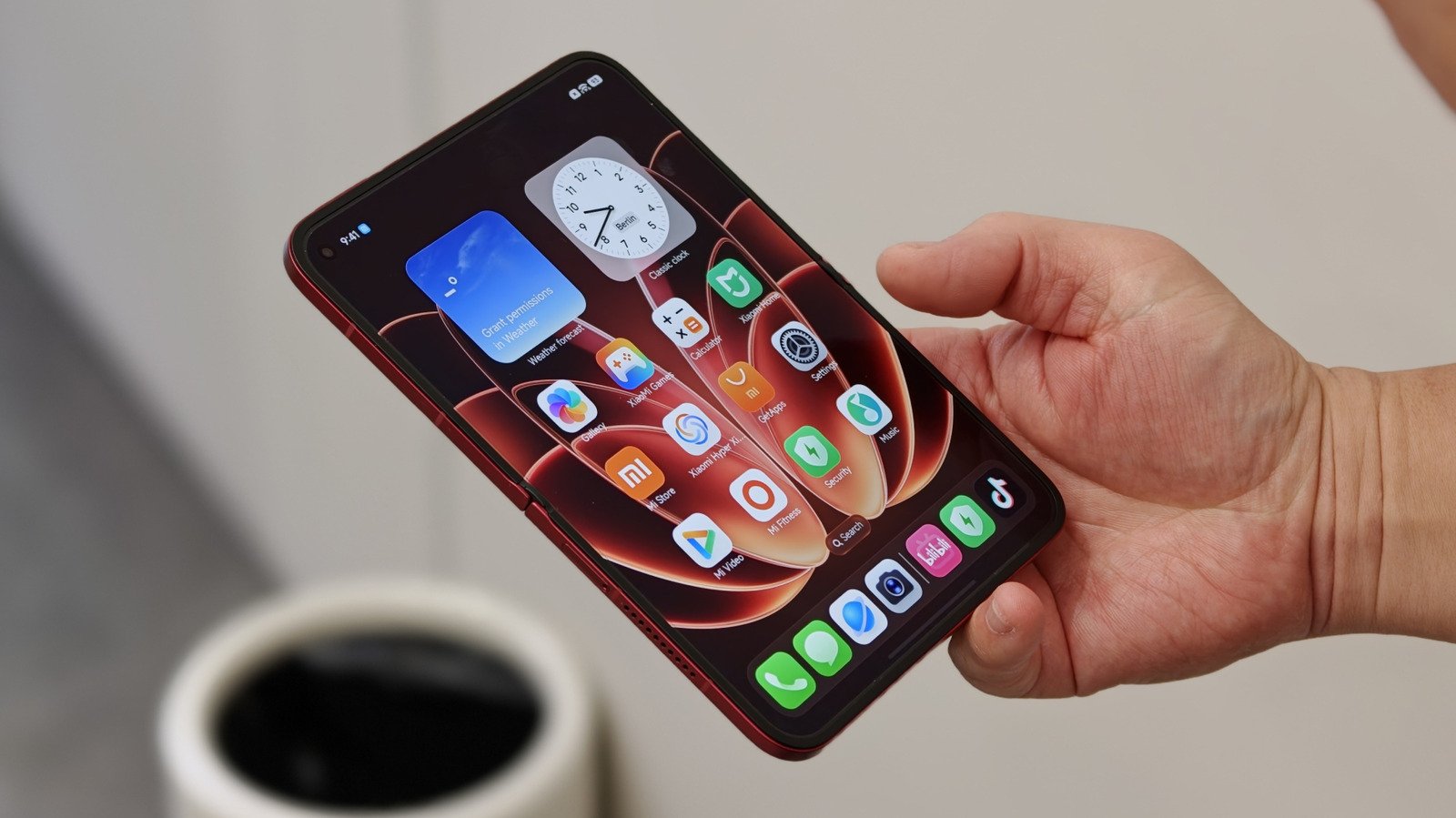
The mechanism by which we hold a foldable phone differs from a standard slate design. Because the center of gravity and the overall thickness change when the device is folded, users may unconsciously adjust their grip, creating new points of tension. Musculoskeletal physical therapist Martin Ratcliffe suggests that the combination of added weight and altered grip positions creates a scenario prone to repetitive strain.
When a device is heavier, the muscles and tendons in the hand must work harder to maintain a stable grip. Over several hours of consistent use, this constant, low-grade tension can fatigue the soft tissues surrounding the thumb and the palm. Ratcliffe notes that the continuous strain can exacerbate existing sensitivities, potentially leading to inflammation or discomfort in the joints that support the weight of the device. This is particularly relevant for heavy users who utilize their phones for social media navigation, professional communication, or long-form reading, as these activities require sustained, precise muscular engagement.
Evidence from Current Foldable Users
The concern is not entirely theoretical. Users of existing foldable smartphones, such as the Samsung Galaxy series, have documented similar experiences on various public forums. A common thread among reports is the onset of aching or stinging sensations in the hands after prolonged sessions of unfolding, using, and refolding their devices. These user accounts reinforce the assessment that the shift in weight distribution and the physical act of managing a more complex hardware design can impact hand health.
The feedback from the early adopter community serves as a warning for a broader market launch. As foldable technology moves from a niche category to the mainstream, the demographic of users expands to include those who may not be accustomed to the unique weight profiles and physical management requirements of foldable electronics.
Mitigating Risks Through Smart Usage
While the hardware design is fixed, users can adopt proactive habits to mitigate the risks of strain. Professional advice centers on the principle of intermittent rest. For those who frequently interact with their mobile devices, taking a break every 30 to 45 minutes is recommended to allow the muscles and tendons to recover. During these breaks, users should prioritize placing the phone down entirely to remove the load from their hands.
Additionally, specific stretching techniques can help alleviate tension. Simple movements, such as stretching the palms and shaking the hands, can improve blood flow and help reset the muscles after a period of intense use. Stretching each digit individually—particularly the thumb—supports muscle repair and reduces the accumulated tension that leads to discomfort. By integrating these micro-breaks into daily digital routines, users can continue to enjoy the benefits of advanced foldable technology without compromising their physical well-being.
Balancing Innovation with Human Factors
The potential launch of a foldable iPhone marks a significant milestone in mobile innovation. It reflects a move toward hardware that offers greater versatility and screen real estate without sacrificing the portability of a smartphone. However, the physical reality of the design necessitates a conversation about how we interact with our technology.
As Apple prepares to introduce its interpretation of this form factor, the challenge lies in balancing high-performance features with user-centered engineering. While the technological capabilities of a new foldable display are set to impress, the ultimate success of the device will also depend on how comfortable it feels in the user’s hand. As the industry evolves, the intersection of advanced hardware and human ergonomics remains a critical area of focus for long-term user satisfaction and health. By staying informed about the physical demands of these new devices, users can enjoy the next generation of mobile computing safely.
Disclaimer: This content is auto-generated for informational purposes only.
Source: Read Original News