








Redefining the Form Factor: The Arrival of the Xiaomi 18 Fold
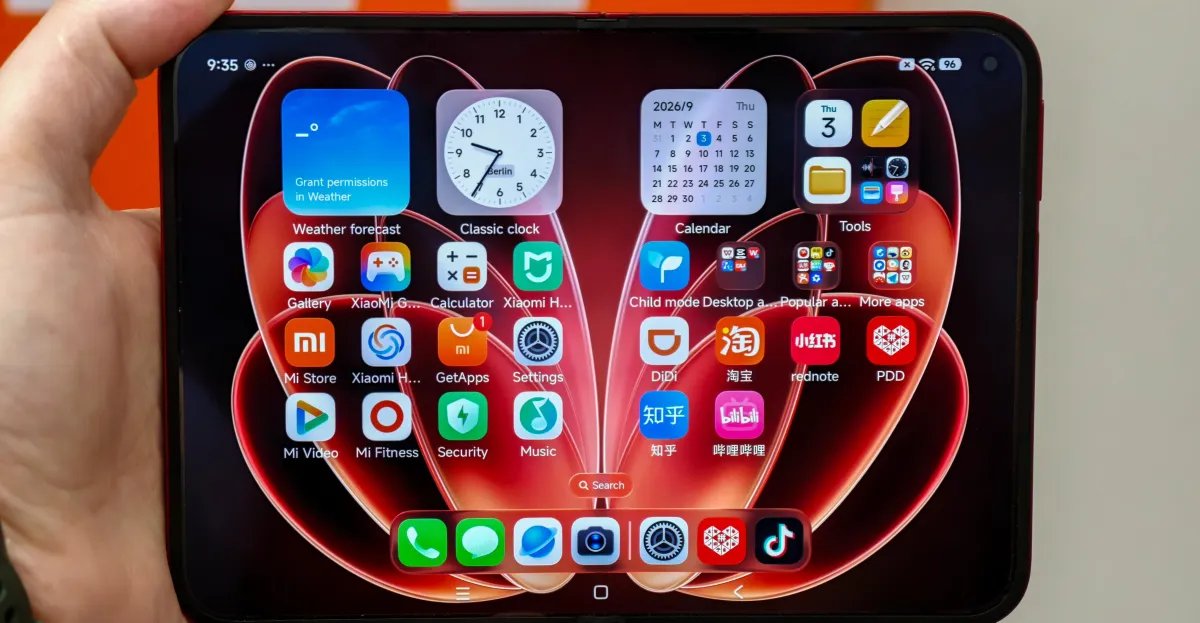
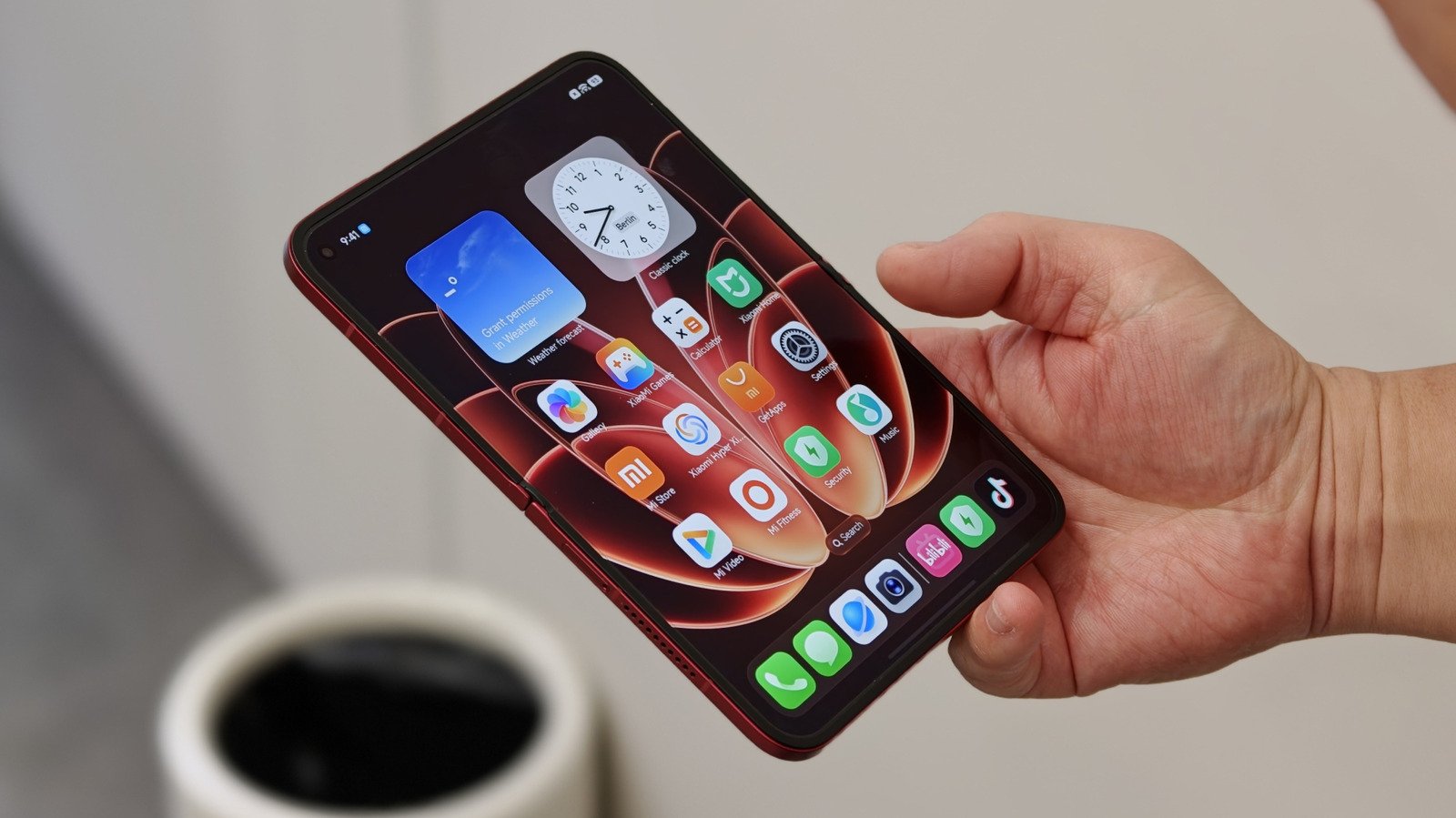
The landscape of foldable smartphones is shifting, moving away from narrow, elongated screens toward a more utilitarian “passport” aesthetic. Xiaomi has formally entered this space with the launch of the Xiaomi 18 Fold, a device that prioritizes ergonomics and a unified display experience. By adopting a wider, squatter aspect ratio for both its 7.68-inch internal panel and 5.38-inch cover screen, Xiaomi aims to resolve the disconnect often felt when switching between a phone’s closed and open states.
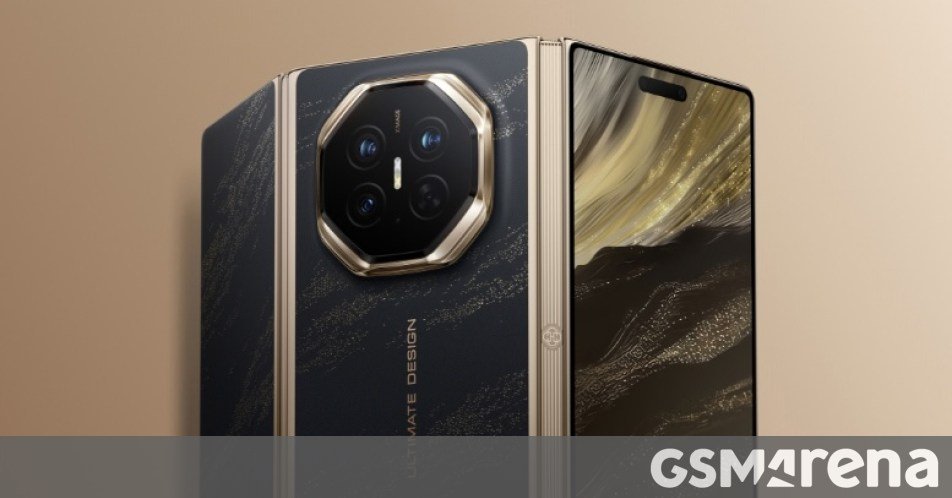
At 219g, the Xiaomi 18 Fold sets a benchmark for portability in the foldable category. The design is punctuated by an intentional asymmetry; the cover display features curved corners on the right edge while maintaining square corners near the hinge. This creates a distinct visual identity in a market that has increasingly trended toward uniformity. Beyond aesthetics, the build quality is reinforced by a robust aluminum alloy frame and the integration of Shield Glass 3.0, ensuring that the screen surfaces are protected against the rigors of daily use.
Advanced Visual Fidelity with HyperRGB Technology
A significant technical breakthrough in the 18 Fold is the debut of Xiaomi’s HyperRGB display panel. Unlike standard OLED arrays, this full RGB subpixel structure is designed to enhance color accuracy and consistency across both the inner and outer displays. Both screens support 1-120Hz LTPO adaptive refresh rates, allowing the device to scale power consumption dynamically based on the displayed content, whether it is a static reading application or a high-frame-rate video.
The display performance is further bolstered by a peak brightness of 4,000 nits, ensuring legibility even under harsh, direct sunlight. The internal mechanism supporting these screens is a newly engineered three-link proprietary hinge. This design wraps around the display architecture, providing a level of structural rigidity that suggests a high degree of durability for the flexible panel. While the device maintains a slightly thicker profile than some of its direct competitors, this depth is utilized to house a larger, high-capacity battery, prioritizing longevity over extreme thinness.
Pioneering In-House Silicon: The XRING 03 Chip
The Xiaomi 18 Fold represents a pivotal moment for the manufacturer, as it is the first flagship to utilize the company’s own in-house silicon, the XRING 03. Fabricated on a 3nm process, this system-on-a-chip (SoC) signals a strategic shift toward vertical integration. The architecture consists of a 10-core all-big-core CPU paired with a 16-core GPU, providing a significant overhead for multitasking and graphics-intensive applications.
Perhaps the most noteworthy integration in the XRING 03 is its support for LPDDR6 RAM. This memory standard facilitates much faster data throughput than its predecessors, reducing latency during complex operations. Furthermore, the chip features an upgraded neural processing unit (NPU), which Xiaomi reports delivers a 45 percent increase in on-device decoding performance. By controlling both the hardware and the software optimization for this custom silicon, Xiaomi aims to extract greater efficiency and performance from the device’s operating system than would be possible with third-party components.
Leica-Powered Photography and Battery Innovation
Despite its compact footprint, the Xiaomi 18 Fold does not sacrifice its photographic capabilities. It employs a sophisticated Leica-engineered triple-camera array. The primary shooter is a 200MP sensor with a 1/1.56-inch format, complemented by a 50MP Leica periscope telephoto lens. This combination suggests a high degree of versatility, allowing users to capture detailed landscapes or zoomed-in subjects without the image degradation often found in ultra-thin foldable camera modules.
Powering this hardware is a high-density silicon-carbon battery. Silicon-carbon technology allows for higher capacity in a smaller physical space, which is essential for a foldable device that needs to balance weight with power demands. The device supports 67W wired charging and 50W wireless charging, ensuring that even with heavy daily usage, the handset can be replenished rapidly. While Xiaomi has not yet disclosed an official IP rating for water or dust resistance, the focus on mechanical hinge durability and material quality remains a core component of the device’s technical specifications.
Future Prospects and Market Positioning
The Xiaomi 18 Fold will be released in black, white, and a striking red finish, with a starting price of approximately 10,999 yuan, or roughly $1,640. Looking ahead, Xiaomi has also teased a special edition constructed from silicon nitride ceramic. This material is engineered to be 50 percent lighter than traditional zirconia ceramic while offering superior scratch and impact resistance, representing a significant advancement in mobile material science.
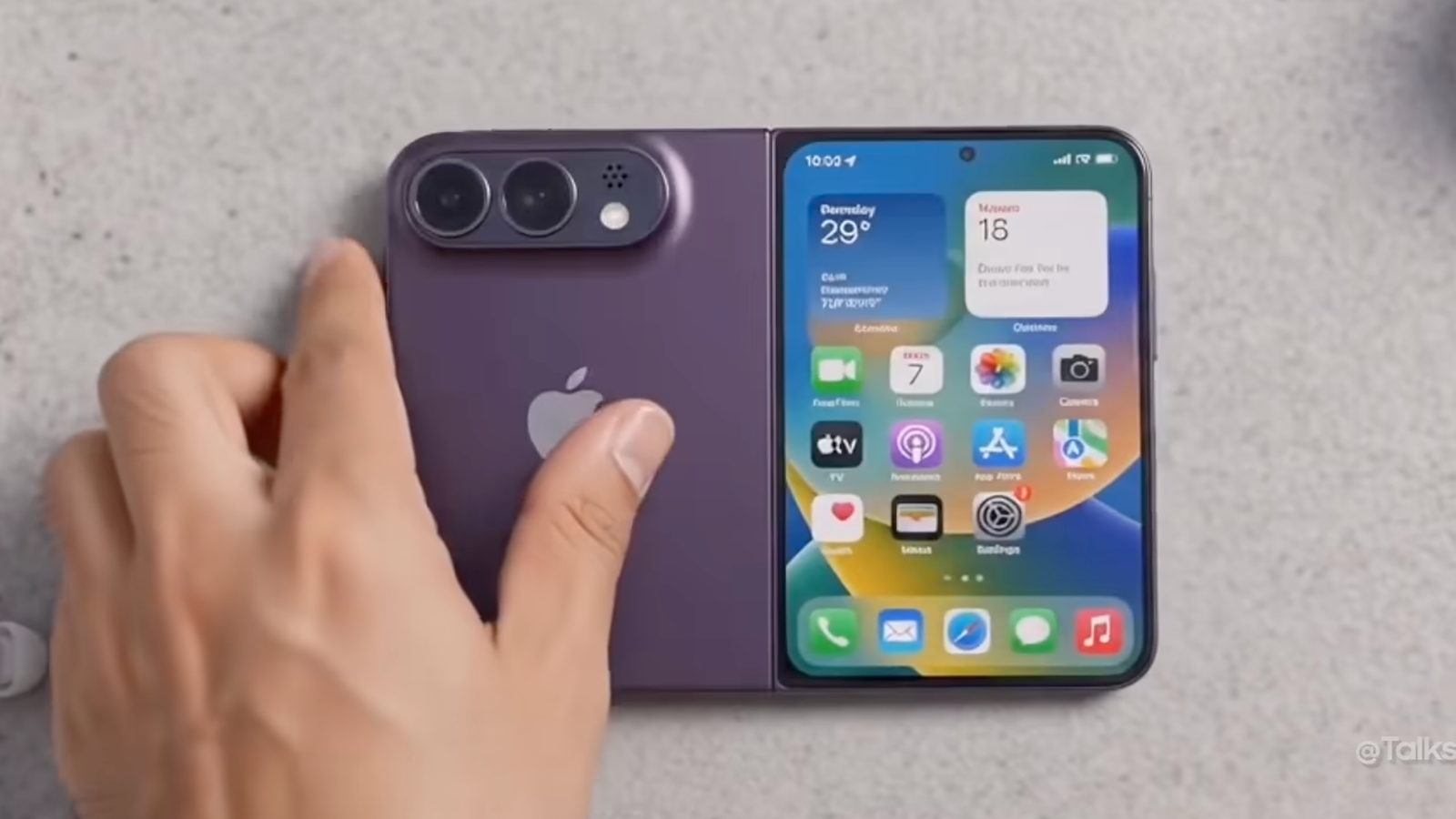
Currently, the Xiaomi 18 Fold is positioned as a China-exclusive release. Its introduction creates a challenging benchmark for other manufacturers. As the industry anticipates further developments from competitors, including reports of foldable technology from Apple, the 18 Fold serves as a testament to how far custom silicon and display innovation have progressed in a relatively short period. Whether this passport-style design influences global trends will depend on future distribution strategies, but the technical foundation laid by the XRING 03 chip and the HyperRGB display suggests that Xiaomi is prepared for a long-term role in the evolution of foldable mobile technology.
Disclaimer: This content is auto-generated for informational purposes only.
Source: Read Original News