








The European Commission adopted a delegated act today (14 July) introducing new rules that exempt additional products from EU requirements on the removability and replaceability of portable batteries.
Under the EU’s Batteries Regulation, portable batteries in products sold in the EU must generally be removable and replaceable by consumers. This helps extend products’ lifetime by allowing battery replacements and supports recycling by making it easier to collect used batteries.
However, some products, such as medical devices and so-called “wet appliances” (for example, electric toothbrushes or water flossers), are already exempt from this requirement, mainly for safety reasons. In these cases, batteries only need to be removable and replaceable by independent professionals.
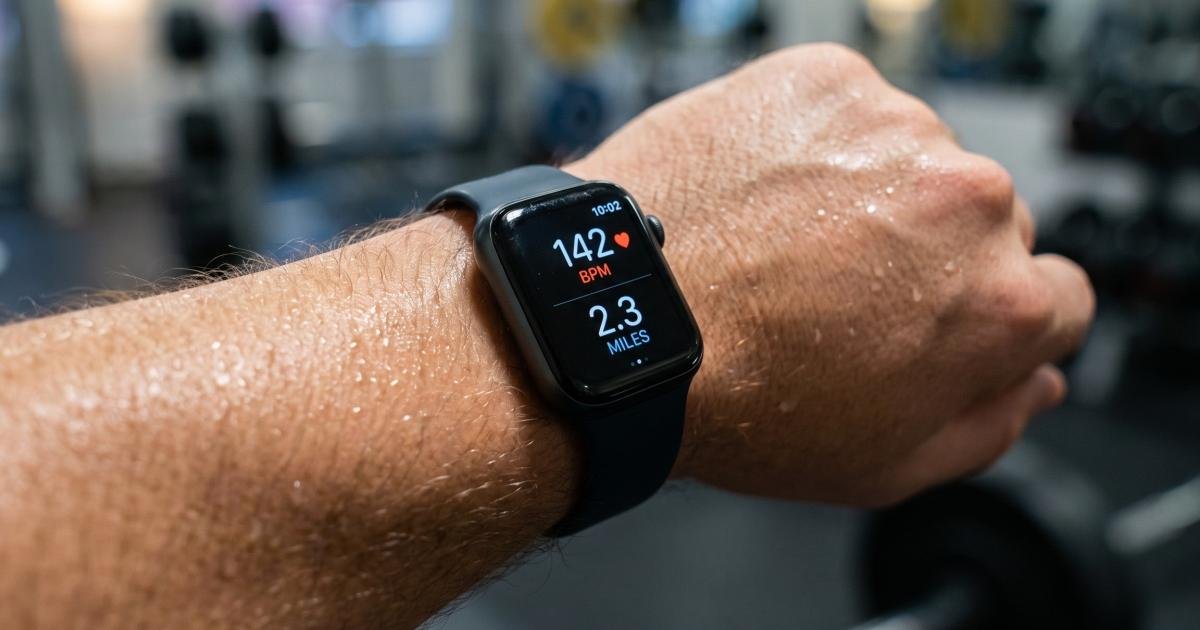
The Commission is now adding six new product categories to the existing list of exemptions. This includes wearable devices such as smartwatches and fitness trackers, electric toys, and products within the scope of the ATEX Directive (equipment used in explosive atmospheres such as explosion-proof motors, sensors, pumps or forklift trucks).
The Commission is also adopting an update to the existing guidelines on the removability and replaceability of portable batteries, providing guidance to product manufacturers on how to apply the new derogations.
Next steps
After its adoption by the Commission, the delegated act is transmitted to the European Parliament and the Council of the EU for their scrutiny. It will enter into force 20 days after its publication in the Official Journal of the EU, if the European Parliament or the Council fail to object to it.
Background
To identify candidate products for additional derogations, the Commission launched a call for applications in 2025. It consulted consumer associations, industry stakeholders and Member States and worked with external experts to assess the technical merits of the applications received.
In preparing this legislation, the Commission has sought to balance the interests of various stakeholders, including consumers, third-party repairers, product and battery manufacturers, as well as the recycling sector.
Small lithium-ion batteries not disposed of correctly are causing an increasing number of fires in waste treatment plants. This must be considered before granting exemptions for products containing such batteries.
More information
Batteries | European Commission