





Indian States’ Sports Promotion: A Tale of Two Tiers Post-CWG
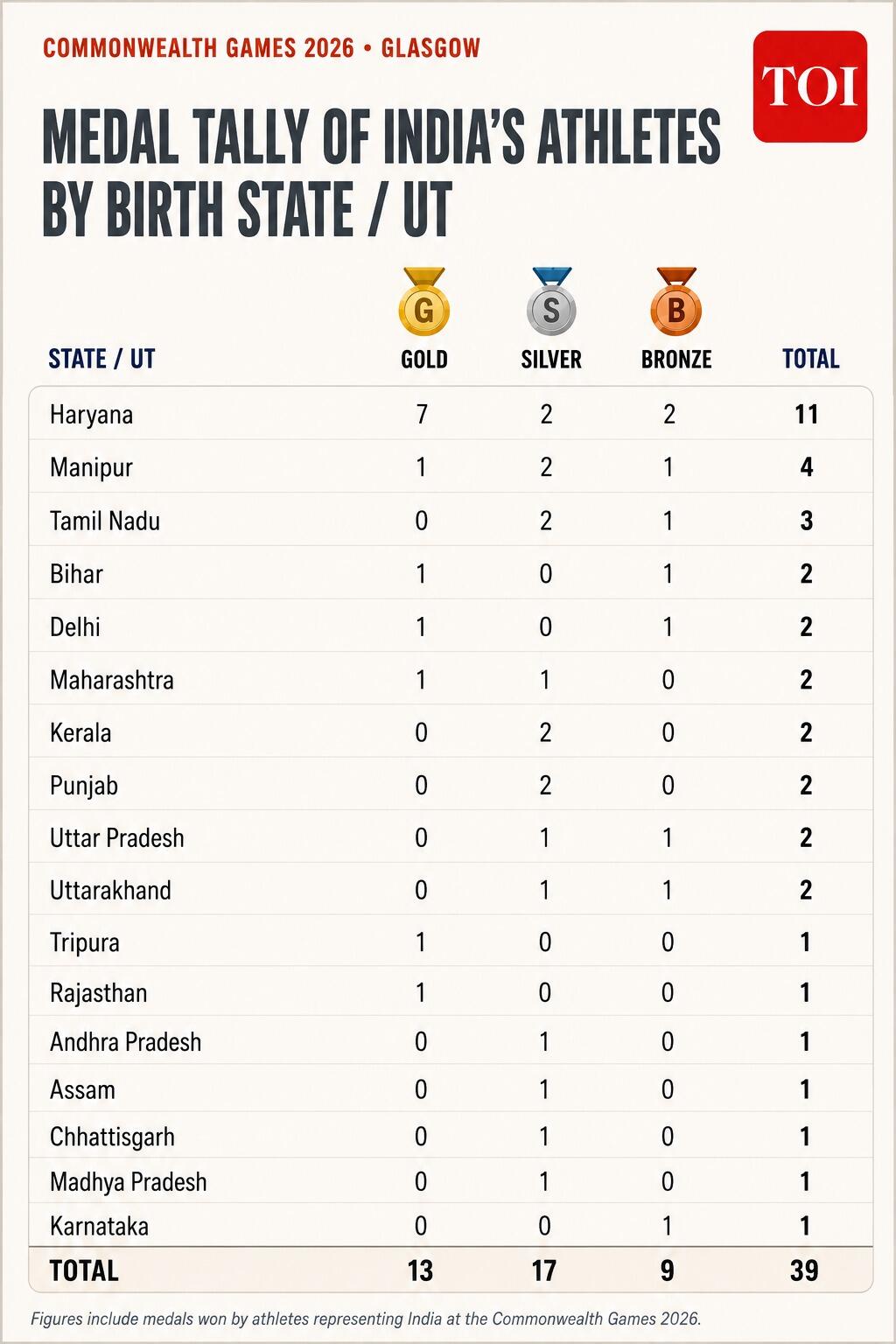
NEW DELHI: In the wake of the 2026 Commonwealth Games (CWG) where India clinched an impressive 39 medals, a critical question emerges: how effectively are state sports bodies leveraging these successes to inspire the next generation of athletes?
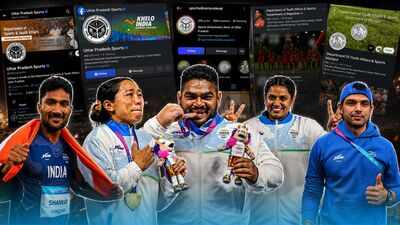
Imagine a young girl in Haryana, diligently practicing shot put, fueled by the image of Sharmila Dhankar, India’s CWG gold medalist. Dhankar’s triumph, though recent, wasn’t her first; she also secured gold at the 2026 Fazza International Para Athletics Championship. Yet, for many, her name remained unknown until the CWG. This highlights a crucial gap: the failure of state institutions, whose primary role is to disseminate such inspiring stories, to effectively communicate these achievements from the podium back to the grassroots.
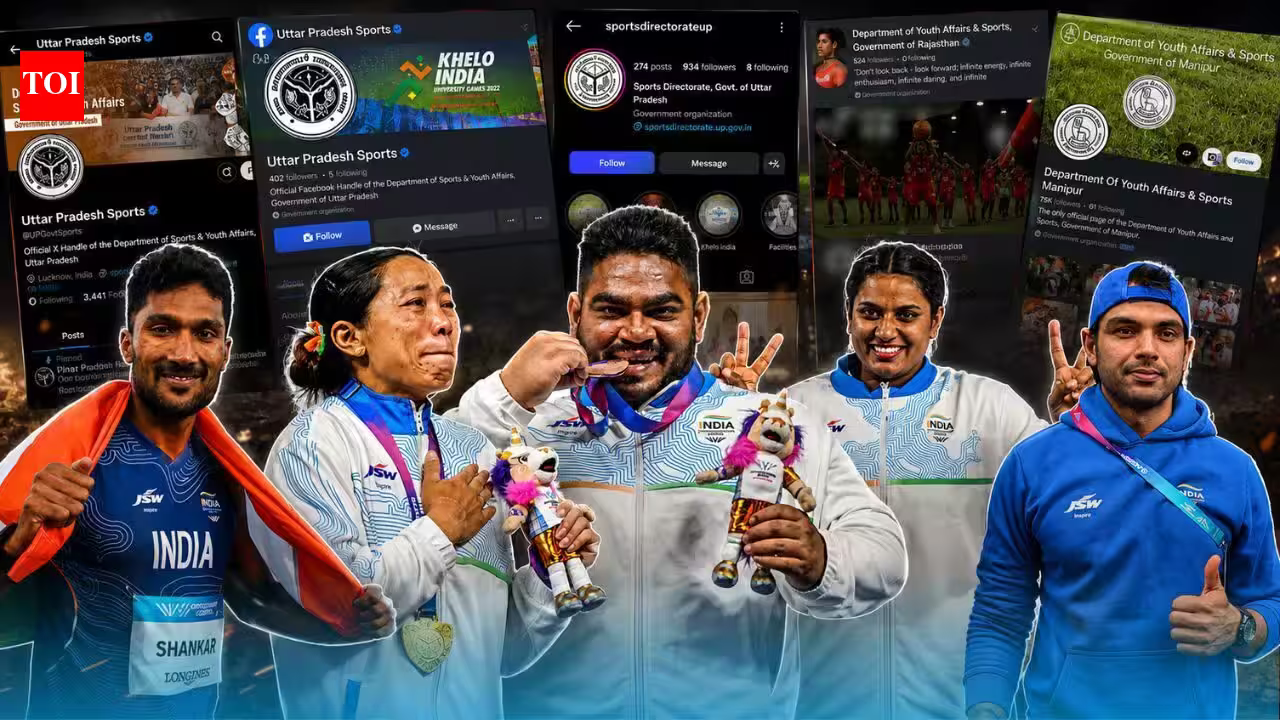
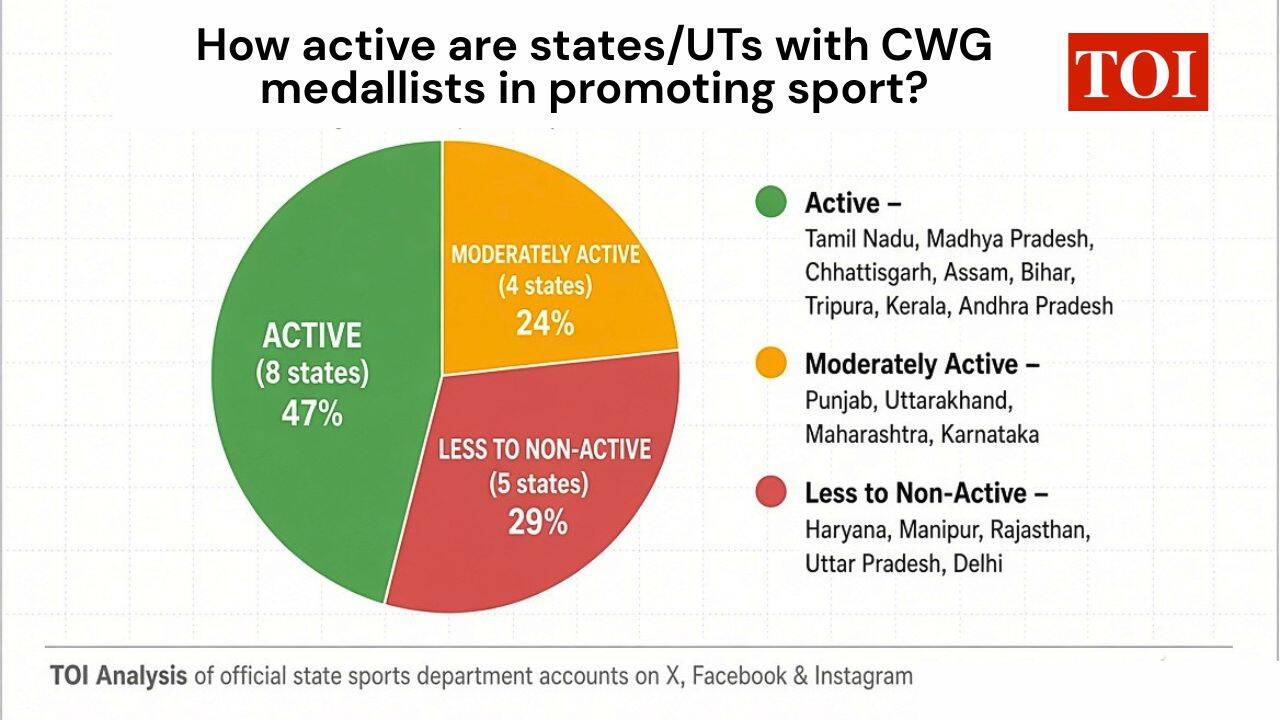
Medals alone do not cultivate future champions. It is the continuous narrative, the persistent spotlight on these successes, that provides tangible proof to aspiring athletes that their arduous path leads somewhere meaningful. A recent investigation into the social media activity of state sports departments reveals a stark disparity in their commitment to this vital promotional role.
Haryana: A Disconnect Between Performance and Promotion
Haryana, the powerhouse of Indian sports, contributed 11 medallists, including seven golds, to the CWG tally. Athletes like Preeti Pawar, Jaismine Lamboria, Sakshi Chaudhary, Priya Ghanghas, Sachin Siwach, and Ankush Panghal – many of whom trained in state-sponsored facilities – brought immense glory. However, the official Sports Department, Government of Haryana’s X (formerly Twitter) account has posted only once in 2026, promoting a music event. Facebook and Instagram show a similar pattern of inactivity post-February, leaving their CWG heroes largely uncelebrated by their own state’s digital platforms.
Manipur: Frozen in Time
Manipur, home to Olympic medalist Mirabai Chanu and four CWG medallists this year (Chanu, Rishikanta Singh, Bindyarani Devi, and Jadumani Singh), presents an equally perplexing scenario. The Department of Youth Affairs & Sports’ X account has not been updated since October 2023. While Facebook shows sporadic activity, Instagram has seen only two posts this year, suggesting a severe lack of consistent digital engagement.
Rajasthan: A Digital Time Capsule from 2012
Perhaps the most concerning discovery is the Sports Department, Government of Rajasthan’s Facebook page, which has remained untouched since April 14, 2012. Fourteen years, multiple sporting achievements including Arundhati Choudhary’s CWG gold, have gone unacknowledged. Their X account’s last original post predates a retweet from March 2021, and there’s no official Instagram presence. This prolonged silence deprives athletes of recognition and future generations of inspiration.
Uttar Pradesh and Delhi: Lukewarm Engagement
Uttar Pradesh’s Gulveer Singh’s silver and bronze medals were significant, yet the state’s official sports handles have offered little beyond reposts. The “Sports Directorate, Govt of Uttar Pradesh” account hasn’t posted at all in 2026. Delhi, surprisingly, lacks a dedicated sports social media account entirely, leaving CWG medalists like Harsh Singh and Tejaswin Shankar to promote their achievements independently, their victories lost amidst general government updates.
Tamil Nadu: A Beacon of Proactive Promotion
In stark contrast, Tamil Nadu sets a commendable example. Its “Sports Tamil Nadu” handles post multiple times daily, celebrating not only its three medalists (Praveen Chithravel, Selva Prabhu, Muthupandi Raja) but also athletes from other states. Their consistent engagement, integrating government scheme updates without bureaucratic jargon, ensures every medallist receives a dedicated post, actively nurturing aspirations.
Similarly, Madhya Pradesh, Chhattisgarh, Karnataka (on Facebook and Instagram), Assam, Bihar, and Tripura demonstrate active and consistent promotion. Kerala maintains lively Facebook and Instagram accounts, giving Murali Sreeshankar and Mohammed Basil’s silvers due recognition, a rhythm echoed by Andhra Pradesh across all platforms.
The Middle Ground: Sporadic Efforts
Some states fall into a middle category. Punjab’s X account is largely dormant, though Facebook and Instagram show more activity around departmental matters, with athletes receiving less prominence. Uttarakhand, active in 2025, has cooled off this year, focusing on scheme announcements, though its Instagram did feature two CWG-related posts. Maharashtra has dedicated posts for its medalists, Sarvesh Kushare and Dilip Gavit, maintaining a fair level of activity. Karnataka’s X account has been inactive since March 2024, despite its Facebook and Instagram actively celebrating CWG medallists.
The Indispensable Role of Digital Promotion
The question of why this matters extends beyond mere courtesy. A state sports department’s social media presence is a cost-effective, direct tool to cultivate the next generation of athletes. A young individual from a remote village is far more likely to pursue a sport if they see their state government celebrating someone from their own region who has achieved national or international recognition. This digital visibility drives aspiration and provides tangible proof that “this path actually leads somewhere.”
Furthermore, consistent online presence signals public interest, which is crucial for attracting sponsors, corporate funding, and state budgetary allocations. Silence, conversely, conveys a message that grassroots sports are not a priority, even when the state has produced medalists on the world stage. Ultimately, building a robust sporting culture begins with acknowledging and celebrating achievements, demonstrating that these efforts are seen, valued, and amplified.