






Cracker Barrel is initiating a significant strategic pivot, prioritizing quality over rapid expansion as it looks to reverse recent performance trends. The Lebanon, Tennessee-based restaurant chain announced this week that it will overhaul its dinner menu—specifically targeting improvements in its chicken, hamburger, and steak offerings—to better meet diner expectations for taste and consistency.
This operational shift comes as the company navigates a period of internal transition, with new leadership aiming to simplify the brand’s focus to recover from previous customer dissatisfaction.
## Prioritizing Culinary Excellence and Guest Experience
During the company’s latest quarterly earnings call, President and CEO Dave Deno emphasized that dinner represents the chain’s most significant opportunity for growth. Under his management philosophy, the company is stripping away complexity to focus on three core pillars: food quality, the guest experience, and employee retention.
“A big part of my management philosophy is doing fewer things better and concentrating on opportunities that could have the greatest impact,” Deno noted. By refining staple menu items, management aims to ensure that every visit meets the high standards long-time patrons expect from the brand. This focus on “taste, temperature, and quality” is a central component of a broader effort to improve traffic and long-term profitability.
## Financial Restructuring and Debt Management
Beyond its culinary updates, Cracker Barrel is taking decisive action to strengthen its balance sheet. The company recently finalized a sale-leaseback transaction involving 26 of its own restaurant properties, netting approximately $77 million.
These proceeds have been strategically deployed to reduce corporate debt, a move that follows the repayment of $150 million in convertible senior notes earlier this year. As of the end of the quarter, the company’s total debt sits at $337.2 million, a reduction of roughly $147.4 million compared to the previous year. This liquidity management provides the chain with a more stable foundation to pursue future growth and infrastructure investments.
## Navigating Consumer Trends and Economic Pressure
Despite a challenging economic landscape, particularly among lower-income demographics, leadership remains optimistic about the chain’s value proposition. With an average guest check hovering around $16, the company believes it remains well-positioned as an affordable dining option. While CFO Craig Pommells acknowledged that the company is contending with external pressures—such as rising freight costs and fuel surcharges—these variables have already been integrated into the firm’s fiscal 2027 financial outlook.
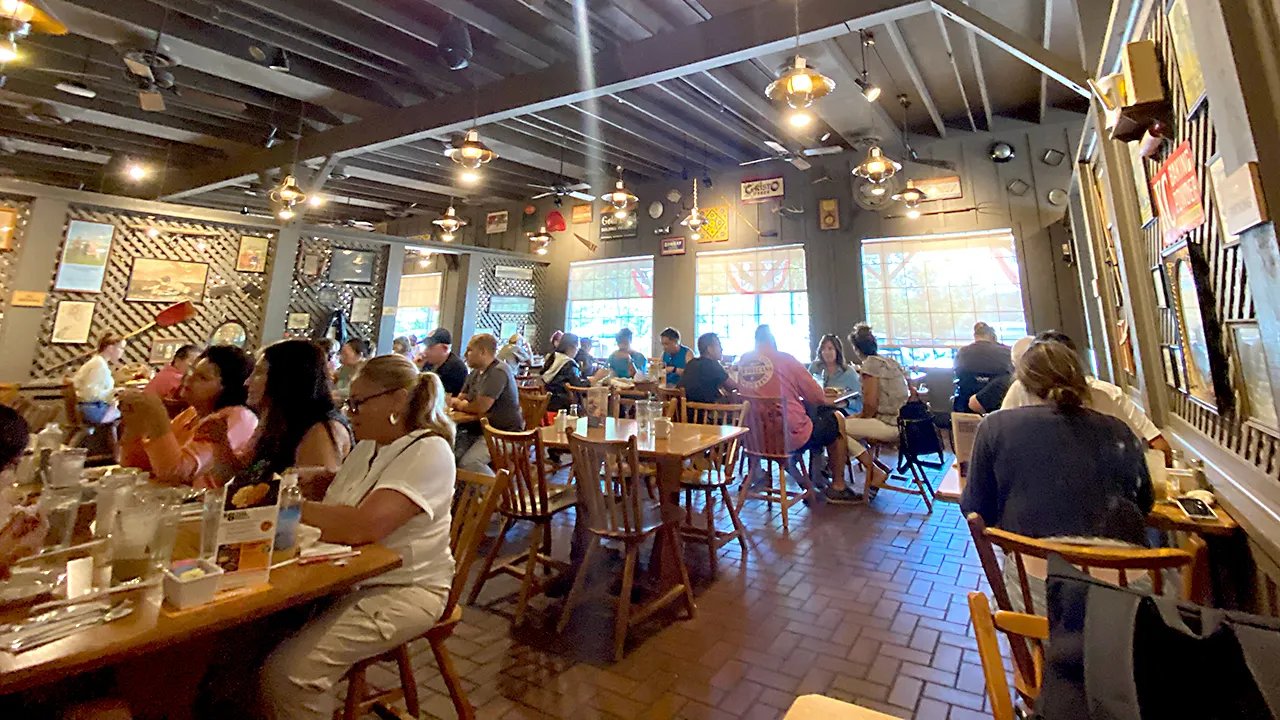
The path forward for Deno involves steadying the ship after a tumultuous period involving a controversial brand overhaul. The previous leadership’s efforts, which included interior redesigns and temporary changes to the brand’s iconic “Old Timer” logo, faced substantial pushback from the chain’s loyal customer base.
Deno, who took the helm in August following the departure of Julie Masino, is now tasked with managing a massive $700 million investment initiative aimed at modernizing the dining experience without alienating the core audience that built the brand. By emphasizing simplicity and quality, Cracker Barrel is betting that a return to its roots—delivered with modern efficiency—will be the key to winning back foot traffic and long-term loyalty in a competitive hospitality market.
Disclaimer: This content is auto-generated for informational purposes only.
Source: Read Original News