







The Arrival of the HomePod mini 2 in (PRODUCT)RED
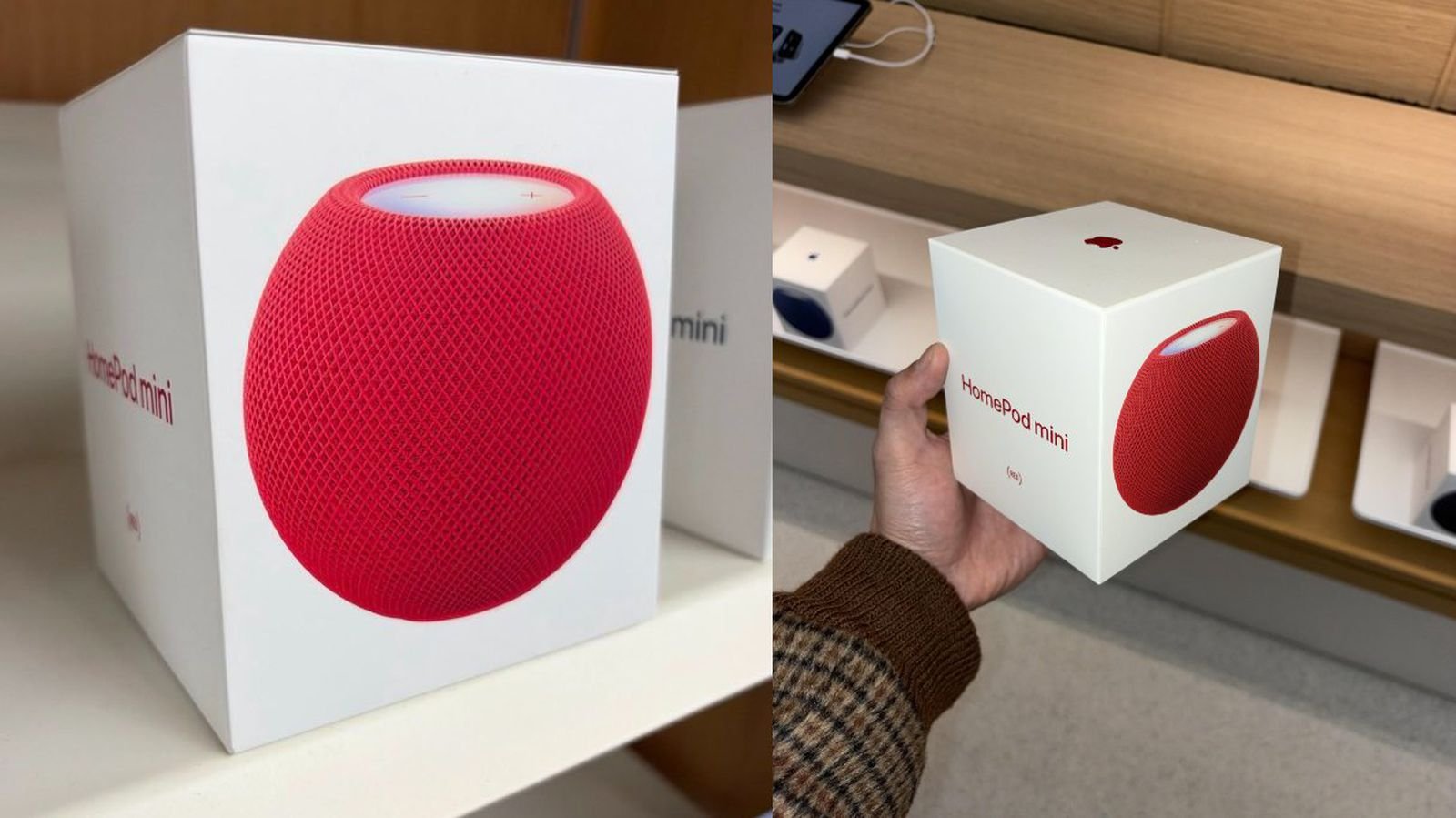
The landscape of smart home hardware is poised for a visual transformation as signs point toward the imminent arrival of a (PRODUCT)RED iteration of the HomePod mini 2. Early sightings within retail environments suggest that Apple is preparing to expand its speaker lineup with a vibrant, crimson-colored finish. This development, which has surfaced via social media platforms and leaked imagery from retail displays, aligns with historical release patterns and corporate initiatives. While the underlying audio architecture and computational intelligence are expected to remain consistent with the standard HomePod mini 2, the introduction of this colorway marks a significant return for one of Apple’s most recognizable product aesthetics.
The design features the signature red mesh exterior that has become synonymous with the (PRODUCT)RED branding. Recent leaks, including reports validated by industry analysts and social media contributors, confirm that the packaging includes the distinctive label identifying it as part of this charitable series. For consumers, this signifies that the device maintains the functional specifications of the current model while providing a bold design alternative that differentiates itself from the neutral tones currently available.
Strategic Timing and the Global Fund Partnership
The anticipated launch date for the (PRODUCT)RED HomePod mini 2 is December 1, coinciding with World AIDS Day. This timing is deliberate and emphasizes the long-standing commitment Apple has maintained toward the charitable organization (RED). Since 2006, the partnership between Apple and (RED) has functioned as a mechanism to channel revenue into The Global Fund, an organization dedicated to the eradication of HIV/AIDS, tuberculosis, and malaria, particularly within communities in Africa.
By centering the release around the 20th anniversary of the (RED) organization, Apple is reinforcing its historical support for global health initiatives. The revitalization of this line serves as a reminder of the company’s dual focus on technological hardware and social advocacy. The decision to select this specific date for the retail rollout highlights how consumer technology can be leveraged as a vehicle for broader global impact, allowing users to contribute to medical research and healthcare access simply through their purchase of standard hardware.
Expanding the (PRODUCT)RED Ecosystem
Beyond the HomePod mini 2, reports suggest a broader rollout of red-themed hardware across several product categories. Industry sources indicate that the upcoming product cycle may include up to four additional (RED) items, signaling a comprehensive refresh of this color category. Among the items under discussion are updated AirPods Max 2, which are expected to feature a distinct red Digital Crown as a thematic accent. Furthermore, the ecosystem may expand to include a red wrist strap for AirPods Pro, a red sport band for the Apple Watch, and possibly an iteration of the AirTag 2.
This synchronized release strategy creates a cohesive collection for users who prioritize color coordination across their personal tech suite. By integrating these accents into accessories and wearables, Apple is effectively re-establishing the (PRODUCT)RED presence that had seen a temporary decline in recent seasons. The inclusion of the AirTag 2 in this lineup is particularly notable, as it suggests the company is looking to apply this branding to its ultra-wideband tracking technology, potentially broadening the appeal of the product line to a wider demographic of collectors and health-conscious consumers.
Technical Consistency and Hardware Specifications
While the visual update is the focal point of this news, it is critical to note that the HomePod mini 2 (PRODUCT)RED is expected to remain technically identical to its counterparts. The device continues to utilize Apple’s S-series chipsets for computational audio, which allows the speaker to analyze the acoustic characteristics of a room and optimize the sound profile in real time. Features such as Intercom, support for Thread and Matter protocols, and deep integration with the HomeKit ecosystem remain central to the device’s performance.
The hardware consistency serves a practical purpose: it ensures that users selecting the red version do not have to compromise on audio quality, connectivity, or smart home management capabilities. Whether paired in a stereo configuration or used as a standalone smart assistant, the red model provides the same low-latency performance and high-fidelity output as the white, black, or blue models. The focus here remains on the user experience—maintaining a seamless transition for those who already use the existing smart home hardware but desire a different aesthetic finish.
Impact on Consumer Trends and Market Strategy
The resurgence of the (PRODUCT)RED line addresses a segment of the market that values both functional hardware and symbolic brand identity. Historically, the inclusion of red colorways has been an effective driver for holiday-season sales, especially when tied to humanitarian milestones like World AIDS Day. By bringing this aesthetic back into the spotlight after a period of absence, Apple is likely attempting to reinvigorate interest in its entry-level smart home category.
Market analysts view this move as a strategic effort to refresh the HomePod mini 2’s shelf appeal without requiring a full-scale hardware redesign. This allows for a “refresh” of the catalog that encourages repeat purchases or secondary sales among existing users who may choose to diversify their home audio setup with a unique color scheme. As the technology continues to mature, and with the anticipated arrival of the associated accessories, this expansion is poised to be a significant component of the company’s winter retail strategy, blending corporate social responsibility with high-demand hardware updates.
Disclaimer: This content is auto-generated for informational purposes only.
Source: Read Original News