







For the residents of Khan al-Ahmar, a Bedouin village perched on the arid hills of the West Bank, the threat of demolition has been a constant shadow for over a decade. As the international community debates the efficacy of sanctions against various actors in the region, this community remains at the epicenter of a geopolitical tug-of-war. However, in an era defined by rapid technological advancement, the struggle for survival in Khan al-Ahmar is increasingly mediated by digital platforms, satellite imagery, and the evolving landscape of global information technology.
## The Digital Frontline: Surveillance and Documentation
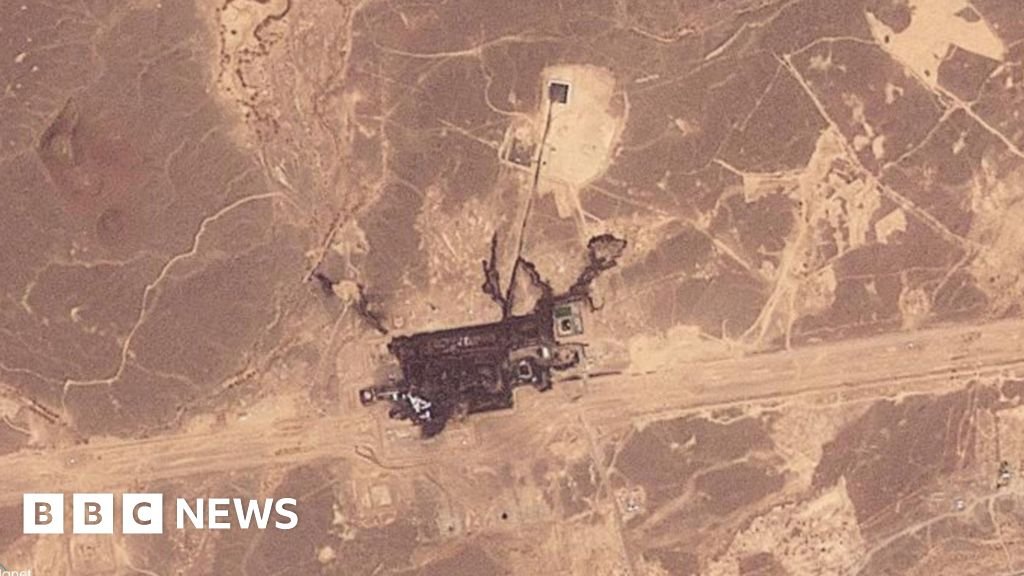
The situation in the E1 area—the strategic corridor connecting the Israeli settlement of Maale Adumim to Jerusalem—is no longer just a matter of boots on the ground. It has become a case study in how modern tech tools shape humanitarian narratives. Residents and international observers now rely heavily on Google Earth and high-resolution satellite imagery to document changes in the landscape, track settlement expansion, and monitor the presence of military equipment.
For the villagers, these digital footprints serve as vital evidence. While traditional media like the BBC provides the human-centric storytelling necessary to reach a global audience, the raw data provided by mapping technologies allows human rights groups to cross-reference claims in real-time. This intersection of tech and advocacy means that the demolition orders facing Khan al-Ahmar are not just noted in government files; they are tracked by a global community that uses data visualization to keep the pressure on international policymakers.
## AI and the Future of Conflict Analysis
As the discourse around UK and international sanctions intensifies, the role of Artificial Intelligence in analyzing regional conflicts is expanding. Tech companies are increasingly deploying AI-powered analytical tools that can parse massive datasets of news reports, social media sentiment, and trade records. These systems help analysts understand the potential impact of sanctions on local economies and civilian populations.
In the context of the West Bank, AI-driven predictive modeling is being used to map out the potential humanitarian fallout if demolition orders were to be enforced. By synthesizing patterns of displacement and infrastructure loss, these tools offer a glimpse into the systemic consequences that sanctions are intended to address. For residents of Khan al-Ahmar, this represents a new dimension of hope: the idea that automated systems, coupled with human expertise, can provide the international community with the granular evidence needed to justify more targeted and effective diplomatic interventions.
## Connectivity as a Human Right
Despite the sophisticated satellite monitoring overhead, the digital divide on the ground remains stark. While the neighboring settlement of Maale Adumim enjoys seamless integration with modern telecommunications and high-speed infrastructure, Khan al-Ahmar faces persistent challenges in accessing consistent internet connectivity. This disparity highlights a crucial point: in the 21st century, the ability to document one’s own struggle is a form of power.
The Palestinian community is utilizing mobile technology to livestream their daily lives, attempting to bypass traditional information gatekeepers. This direct-to-audience approach is forcing tech giants and social media platforms to reconsider their policies on content moderation during regional crises. As algorithms increasingly prioritize engagement, the plight of displaced communities is being pushed into the feeds of millions, forcing tech industry leaders to grapple with their role as the global town square.
Ultimately, as the UK and other nations consider the weight of their sanctions, the reality on the ground in the E1 area remains fragile. Whether through the lens of a satellite camera or the screen of a smartphone, Khan al-Ahmar is being watched. As technological tools become more accessible, the capacity for local voices to influence international policy grows, turning a quiet stretch of desert into a high-tech stage for global accountability.
Disclaimer: This content is auto-generated for informational purposes only.
Source: Read Original News