




Cyclone Arnab Leaves Trail of Destruction Across Andhra Pradesh
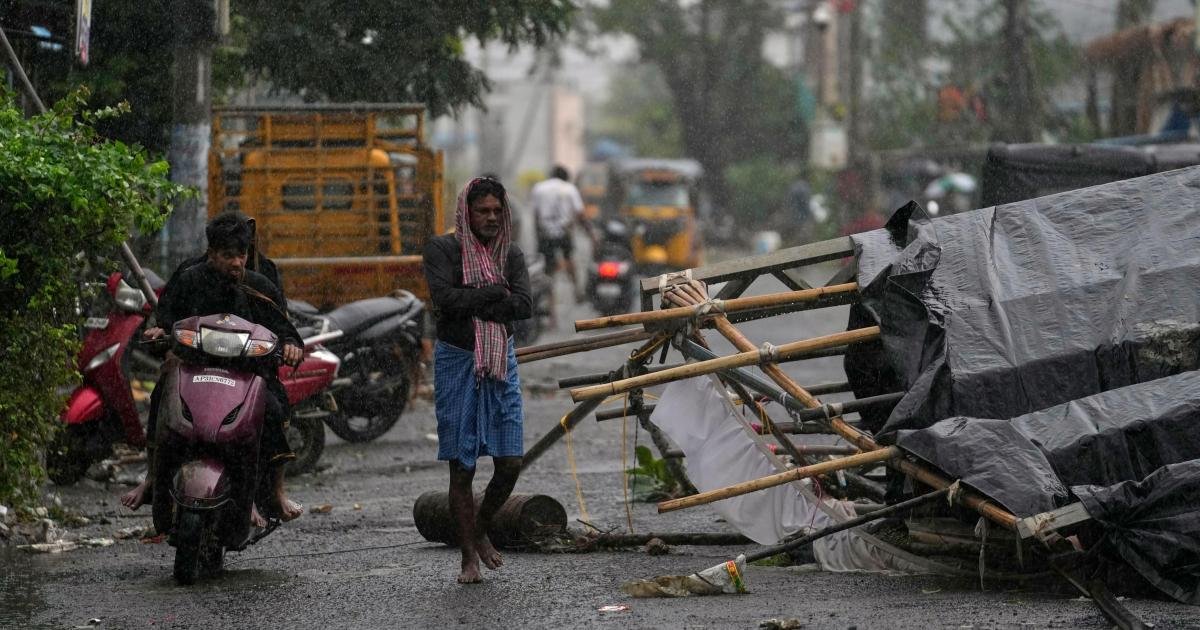
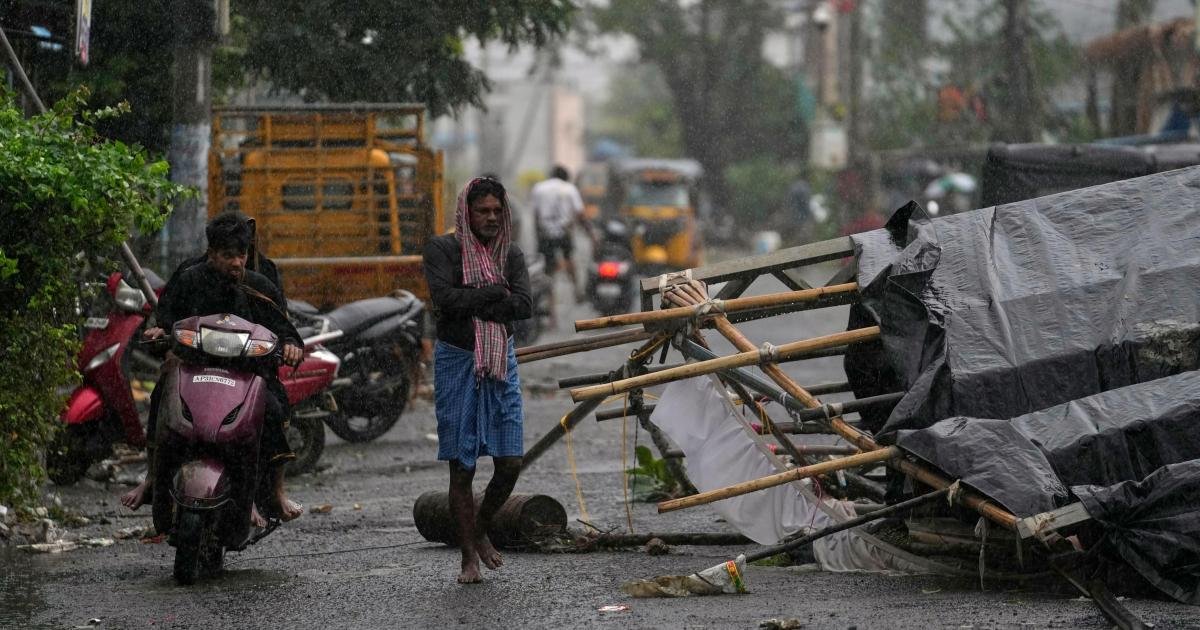
Cyclone Arnab, which intensified over the Bay of Bengal before making landfall on Wednesday, has left a significant path of destruction across the coastal regions of Andhra Pradesh. While the India Meteorological Department (IMD) reported that the storm weakened slightly into a “severe” cyclonic category just before hitting the coast, it brought destructive wind speeds reaching 84 mph and torrential rainfall to the region.
Casualties and Widespread Damage
The impact of the weather system has been severe, with local officials confirming three deaths related to the storm. Two women lost their lives due to electrocution in the port city of Visakhapatnam, while a third fatality occurred in the East Godavari district when a victim was struck by a falling tree.
The fertile district of Konaseema has emerged as the worst-hit area. Agricultural sectors, particularly banana and coconut plantations, have sustained extensive damage. The high-velocity winds triggered widespread infrastructure failure, resulting in approximately 6,000 electricity poles being uprooted. This has led to massive power outages across the district, leaving many communities in the dark as emergency crews struggle to clear debris and restore connectivity.
Massive Evacuation Efforts
In preparation for the landfall, state authorities launched a large-scale disaster response operation. Approximately 89,000 residents were relocated from vulnerable, low-lying coastal areas to safety. More than 2,000 cyclone shelters were activated across 20 districts to house those displaced by the storm, and emergency alerts were broadcast to millions of mobile phones to keep the public informed.
Prakhar Jain, head of the state’s disaster management authority, confirmed that emergency responders have been working around the clock. Over 1,100 medical teams have been deployed to provide immediate assistance, and roughly 30,000 fishing vessels were secured to prevent further losses. Train services in the most severely affected regions were suspended as a precautionary measure to ensure passenger safety against the gusty winds and heavy rains.
Regional Impact and Neighboring Concerns
While the landfall process is now complete, the IMD has warned that the cyclone’s influence continues to cause heavy rainfall and turbulent conditions in coastal Andhra Pradesh and parts of southern Odisha. In Odisha, authorities had proactively planned to evacuate nearly 48,000 people to mitigate the risks associated with the incoming weather system.
The reach of the storm is expected to extend beyond India’s borders. Disaster management agencies in Nepal have issued urgent warnings regarding the peripheral effects of the cyclone. The Himalayan nation is bracing for heavy rain, lightning, and potential snowstorms in northern regions starting Thursday. Given the country’s recent struggles with severe flooding and landslides—which have claimed over 1,400 lives since August—the authorities have advised tourists to avoid high-altitude areas and cautioned that both air and road travel could face significant disruptions in the coming days.
As the cyclone continues to track inland and loses further intensity, focus is shifting toward long-term recovery and assessment of the agricultural and infrastructural damages left in its wake.
Disclaimer: This content is auto-generated for informational purposes only.
Source: Read Original News