







Minister Muir Urges Accelerated Climate Action as Summer 2026 Hits Record Temperatures
DUBLIN – As the UK and Ireland recover from what has been provisionally confirmed as the hottest summer on record, Northern Ireland’s Minister of Agriculture, Environment and Rural Affairs (DAERA), Andrew Muir, has issued a stark warning: there can be no turning back on the urgent push for climate reform.
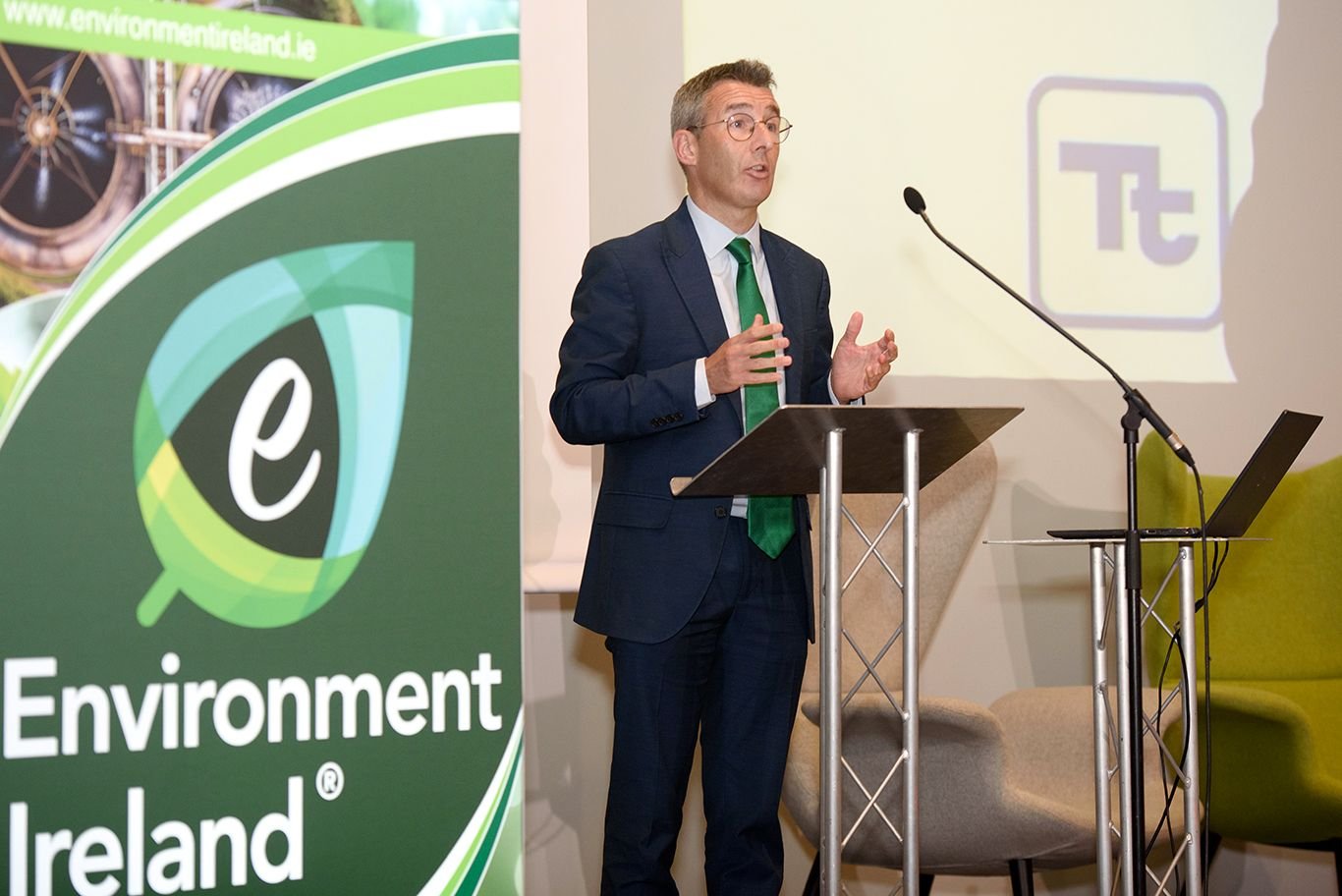
Speaking at the Environment Ireland Conference held at Croke Park today, Minister Muir underscored that the escalating climate emergency, characterized by record-breaking heat and global temperatures poised to breach the 1.5 degrees Celsius threshold, necessitates immediate, non-negotiable action.
A Call for Decisive Action
Addressing a room of policy experts and environmental leaders, Minister Muir cautioned against the risks of climate denial and political hesitation. “In the week when it was confirmed that summer 2026 was provisionally the hottest on record for the UK & Ireland, we must strengthen our resolve,” Muir stated. “There can be no rolling back. Wishing the problem away or denying its existence will do nothing to secure the future of our economy, society, or farming.”
The Minister positioned environmental sustainability not as a hurdle to economic growth, but as its essential foundation. He argued that the transition to a greener economy presents tangible opportunities for job creation and long-term societal resilience.
Northern Ireland’s Strategic Roadmap
During his keynote, Muir detailed the progress Northern Ireland has made in formulating a robust legislative framework. Key updates included:
- Environmental Improvement Plan: An ongoing initiative aimed at systematically addressing the degradation of natural habitats.
- Nature Recovery Strategy: A project designed to meet the ambitious target of protecting 30% of the region’s land and sea by 2030.
- Climate Action Planning: The Minister confirmed that Northern Ireland’s inaugural Climate Action Plan is currently awaiting final approval from his ministerial colleagues, with preparations for the second plan and the setting of the Fourth Carbon Budget already in progress.
- Sustainable Agriculture: Investment in programs designed to support farmers in transitioning to sustainable food production while simultaneously improving water quality and environmental health.
Evidence-Based Policy and Cross-Border Cooperation
A significant portion of the Minister’s address focused on the necessity of science-led decision-making, particularly in response to the ecological crisis at Lough Neagh. Muir emphasized that public policy must be anchored in research, warning that “denial and deflection only delay and magnify the difficult decisions needed to fix the problems before us.”
Recognizing that ecological threats—such as biodiversity loss, poor water quality, and extreme weather—do not respect political boundaries, Muir advocated for deeper all-island cooperation. By sharing data, evidence, and best practices, he believes the region can accelerate its transition to a greener future.
“Environmental challenges do not recognise borders,” Muir concluded. “By working together, sharing evidence and learning from one another, we can move faster and deliver better outcomes for people, nature, and the economy.”
For more details on the Department’s position and current initiatives, read the full statement on [climate action](https://www.daera-ni.gov.uk/news/daera-minister-insists-there-must-be-no-rolling-back-climate-action” target=”_blank” rel=”nofollow) at the DAERA website.