








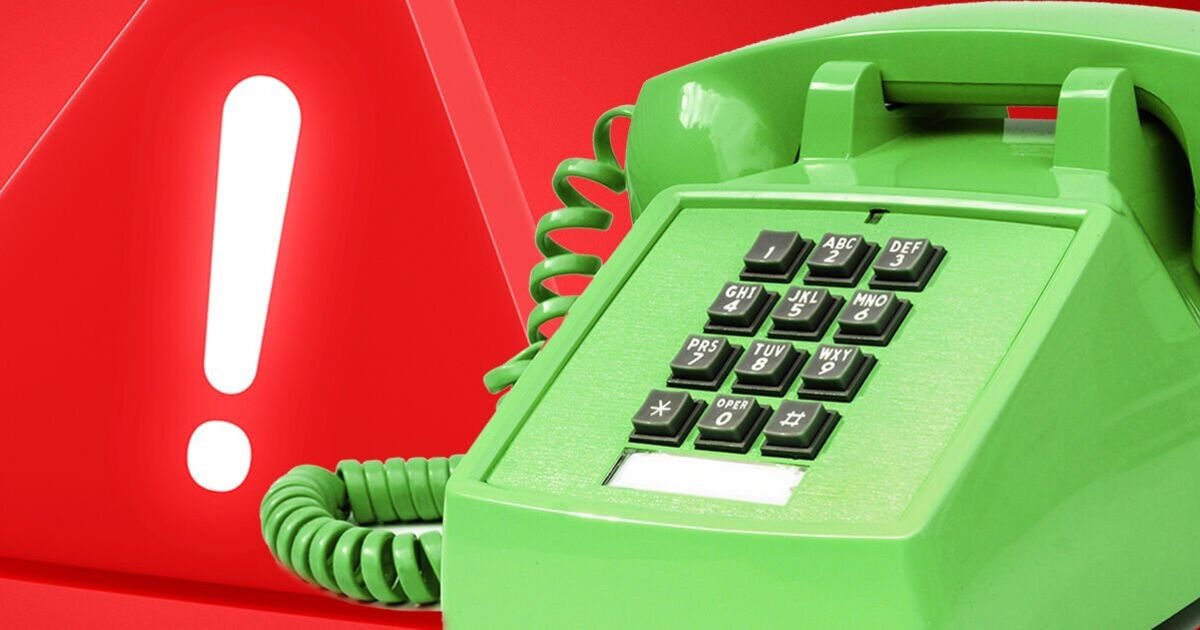
The Big Switch: Why Your Landline is Getting a Tech Makeover
We often think of our homes as static spaces where everything stays exactly as we left it. But lately, the world of home connectivity has been shifting beneath our feet—literally. If you have a landline phone tucked away in your hallway, you might have noticed some strange letters or emails from your service provider lately. It can be tempting to file those under “future problems” or simply ignore them, but there is a major change happening that affects every household in the UK.
The old-fashioned copper cables that have carried our voices across wires since the 19th century are being retired. They are being replaced by something called Digital Voice. While the term might sound like complex tech jargon, it essentially means your home phone will now use your broadband internet connection to make calls. It is a bit like upgrading from a vintage typewriter to a sleek laptop. Sure, the old way worked for decades, but the new way is cleaner, faster, and much better suited for the modern era.
Stop Hitting Snooze on the Future
It is easy to see why so many people are dragging their heels. When you have had the same phone setup for years, the idea of tinkering with it feels like a chore. However, research suggests that a significant number of households are still unaware that this change is coming or are choosing to ignore the notifications until the last possible moment. The deadline is ticking down, and if you wait until the very end, you risk losing your ability to make calls altogether.
Think of this transition like a spring cleaning project for your digital life. Instead of viewing it as an annoyance, consider it a chance to declutter your utility bills and ensure your household stays connected. Checking in with your provider now means you stay in control of the process, rather than waking up one morning to find your phone has gone silent.
The Simple Steps to Get Connected
The actual process of switching over is usually much easier than you might anticipate. Most of the time, the transition involves a very simple physical change. In the past, your phone likely plugged into a wall socket that was part of the traditional copper network. With Digital Voice, that wall socket is heading for retirement.
To get ready, locate your router—the box that provides your home Wi-Fi. You will likely find that you just need to unplug your phone’s cable from the wall and plug it directly into the port on your router. It is a simple swap that takes about ten seconds. Before you dive in, check your specific equipment, but for the vast majority of households, this is all that is required to bring your home phone into the modern age.
Keeping Your Household Safe and Secure
One of the most important things to consider during this transition is reliability. Because this new system runs through your broadband, it requires electricity to function. This means that if there is a power cut, your phone might go down along with your Wi-Fi. This is a big change from the old days when the phone line seemed to work regardless of the power situation.
If you rely on your landline for peace of mind, it is time to have a backup plan. Ensure that you have a mobile phone charged and ready to go for emergencies. If you are someone who does not use a mobile, or if you live in a rural area with patchy signal, reach out to your provider. They are often equipped to supply battery backups that keep your digital line running even when the power grid takes a break. Also, if you use a home alarm system or a personal medical alert pendant, give your provider a quick call to ensure these systems are compatible with the new network.
A Chance to Save Some Serious Cash
Here is the silver lining that often gets lost in the technical talk: this upgrade is the perfect excuse to look at your monthly spending. Many people find themselves stuck on legacy contracts that have become much more expensive over time. Because this shift requires moving to full-fibre broadband, it is the ideal moment to shop around for a better deal.
By comparing what is currently available in your area, you might be surprised to find that you can upgrade your speed and connectivity while actually paying less per month. Some households are saving hundreds of pounds a year simply by being proactive during this transition. Instead of just letting your provider move you over to a new plan automatically, take the reins. A little bit of research today could leave you with a faster, more reliable connection and a healthier bank balance by the end of the year. Treat it as a routine lifestyle audit, and your home will be better for it.
Disclaimer: This content is auto-generated for informational purposes only.
Source: Read Original News