







The Strategy Behind the Manufactured Leak
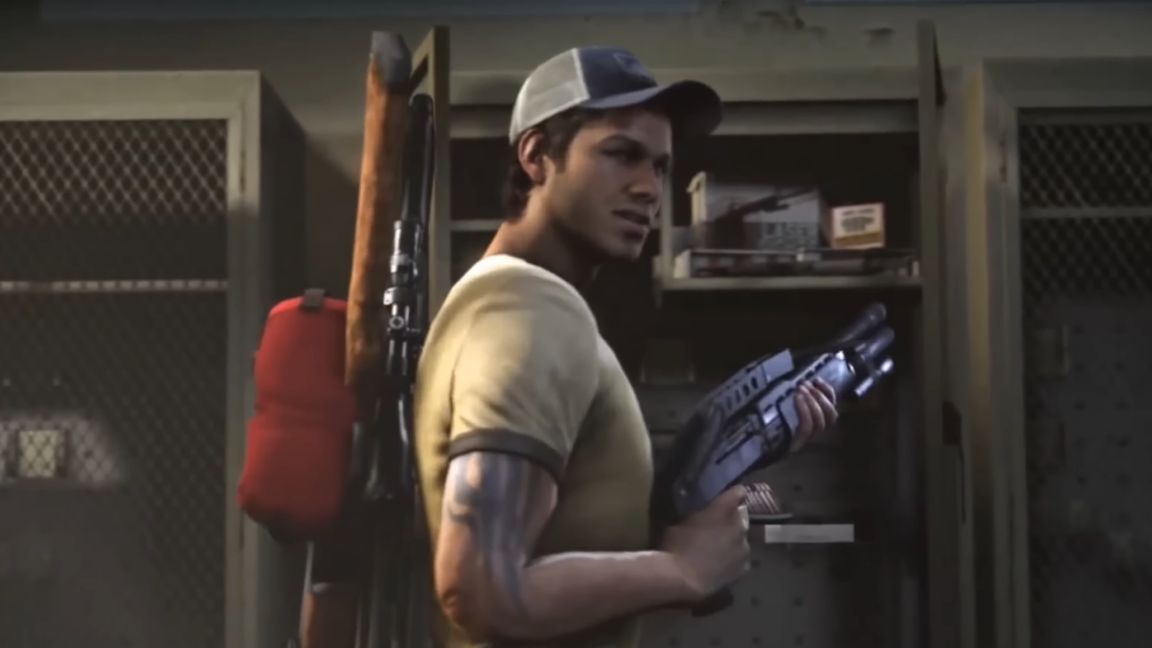
The history of video game marketing is filled with stories of carefully managed campaigns, but few hold the irony of the 2009 Left 4 Dead 2 promotion. For seventeen years, the industry and gaming press operated under the assumption that a high-intensity trailer for Valve’s sequel had escaped the company’s internal controls and surfaced prematurely on the internet. It turns out that this perception of a digital mishap was a deliberate tactical decision. Chet Faliszek, a lead writer at Valve during the game’s development, recently confirmed that the “leak” was a necessary workaround to bypass strict oversight from the Entertainment Software Rating Board (ESRB).
At the time, the ESRB exerted significant influence over how developers promoted their titles. Because the board held the power to prevent a game from reaching major retail shelves, studios were forced to comply with their advertising guidelines. Faliszek explained that when the ESRB blocked the official release of the trailer, Valve chose to sidestep the authority of the board by releasing the footage as an unauthorized leak. This allowed the studio to maintain the momentum of their marketing schedule despite the regulatory hurdles that would have otherwise prevented the public from seeing the promotional content.
The Regulatory Framework of the ESRB
Since its inception in 1994, the ESRB has functioned as the primary body for assessing the age-appropriateness of video games in North America. While its role in rating physical software is well known, the board’s influence historically extended to advertising materials, including trailers. The ESRB’s Advertising Review Council (ARC) established specific principles designed to limit the reach of graphic content. According to these guidelines, trailers were prohibited from featuring excessive violence, gratuitous gore, or language deemed offensive to the average consumer, regardless of whether the video was hosted behind an age gate.
This era of digital oversight was remarkably restrictive. In 2007, for instance, the ESRB pressured publishers to remove trailers for games like Dark Sector and The Darkness after they had already entered the public domain. The board’s stance was clear: the existence of an age-gating mechanism on a website did not grant publishers the freedom to showcase content that violated the ARC guidelines. For a company like Valve, which was building a franchise predicated on visceral, zombie-survival action, these restrictions posed a constant threat to their ability to communicate the nature of the product to their intended audience.
Escalating Conflicts Over Promotional Imagery
The friction between Valve and the ESRB was not limited to video trailers; it also permeated static promotional assets. Earlier in 2009, a specific conflict arose regarding the game’s official logo and box art. The original promotional image featured a hand with three gnawed-off fingers, with the remaining two digits positioned to represent the number “2” in the title. The ESRB viewed this as an excessive depiction and requested that the image be altered to pass their standards.
Valve eventually complied by providing a modified version of the image. The new graphic featured the same hand, but rather than missing fingers, two of the fingers were simply curled down into a fist, mimicking the “2” symbol without the gore. This compromise allowed the branding to move forward, but it served as a primary example of the granular control the board exerted over intellectual property. For the development team, the absurdity of allowing a chainsaw-wielding survivor to fight hordes of zombies in-game while simultaneously censoring a logo due to “excessive” imagery highlighted the disconnect between gameplay and marketing compliance.
The Impact of Digital Distribution Shifts
The context of this 2009 incident is crucial for understanding how the industry has evolved. During the late 2000s, physical retail presence was the lifeblood of software sales. If the ESRB deemed a game or its marketing materials as unacceptable for mainstream retail standards, the financial ramifications for a publisher were significant. Consequently, developers had little choice but to negotiate with the board or face potential exclusion from major department store shelves.
However, the rise of digital distribution platforms, including Valve’s own Steam service, gradually diminished the power of these traditional gatekeepers. Today, while the ESRB remains relevant for age-rating consumer products, the necessity of navigating such stringent marketing restrictions for online-only trailers has largely evaporated. Modern developers now have the autonomy to release content directly to their audiences through social media and digital storefronts, bypassing the external review boards that once dictated the pace of information.
Assessing the Legacy of Marketing Compliance
The admission that a major developer orchestrated a leak to circumvent industry regulations provides a rare glimpse into the logistical challenges of game publishing during the pre-streaming era. It highlights the tension between creative expression in horror-themed media and the conservative standards imposed by self-regulatory bodies. While the ESRB’s mission to inform parents and consumers is a staple of the industry, the case of Left 4 Dead 2 illustrates that these rules often created bottlenecks that forced creative teams into unconventional, and sometimes deceptive, solutions.
Looking back, the “leaked” trailer was a turning point for how Valve engaged with its fanbase. By prioritizing the visibility of its project over compliance with the ARC, the studio signaled a shift in power dynamics. As the industry moved away from reliance on physical retail, the influence of these specific advertising restrictions waned, turning a once-clandestine act of defiance into a standard practice for managing modern game reveals. The 2009 trailer remains a testament to the era when a simple video clip had to be smuggled out of the studio just to reach the players it was intended to excite.
Disclaimer: This content is auto-generated for informational purposes only.
Source: Read Original News