








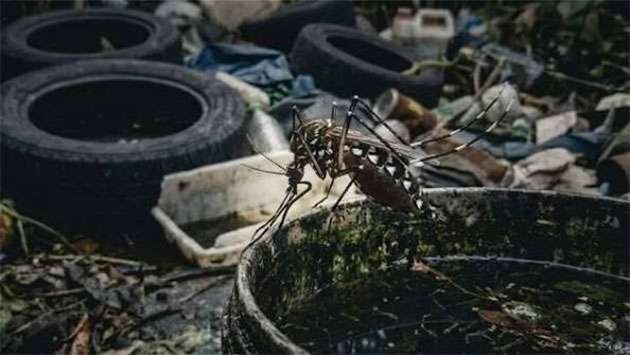
Public health officials have issued an urgent warning following recent findings that reveal significant variations in dengue mosquito breeding grounds across different geographical zones. Epidemiologists and vector control experts are cautioning that a “one-size-fits-all” approach to eradication is no longer effective, as the Aedes aegypti mosquito is rapidly adapting its habitat preferences to suit localized urban and rural environments.
The study, which analyzed breeding patterns across diverse residential and industrial areas, highlights that what constitutes a high-risk zone in a densely populated urban center differs drastically from the risks found in semi-urban or coastal outskirts. In metropolitan districts, mosquitoes are increasingly gravitating toward neglected high-rise drainage systems, abandoned construction sites, and internal residential water storage containers. Conversely, in suburban and rural fringes, breeding is largely sustained by improper waste management, discarded agricultural containers, and natural water-holding vegetation that often goes overlooked during routine inspections.
“We are witnessing a shift in the behavioral ecology of the dengue vector,” said a senior health official involved in the surveillance initiative. “Previously, we focused almost exclusively on household water storage. While that remains a priority, we are now seeing that industrial debris and specialized drainage infrastructure have become primary epicenters for larvae in specific zones. If we don’t tailor our localized inspection strategies, we are essentially fighting a war with outdated intelligence.”
The implications for community safety are stark. Authorities are noting that because breeding grounds are becoming more diverse and less predictable, traditional neighborhood-wide fogging is yielding diminishing returns. Instead, health departments are pivoting toward a “precision-targeting” model. This strategy mandates that local municipal councils conduct site-specific risk assessments to identify which types of vessels or areas are most prone to infestation within their unique borders.
In response to these findings, the Ministry of Health has called for an immediate intensification of community-led “search and destroy” missions. However, they are urging residents to move beyond simply cleaning their own backyards. “The responsibility has evolved,” the official noted. “Citizens must act as auditors of their local environments. In some areas, the threat is an open barrel; in others, it’s a clogged roof gutter or an illegally dumped tire in a vacant lot. We need the public to report these area-specific hazards immediately.”
As the seasonal risk of dengue transmission remains high, officials emphasize that ignoring these local variations could lead to localized outbreaks. Public health teams are scheduled to begin specialized training for local task forces this week, focusing on how to categorize and neutralize breeding sites based on these new geographical findings. Residents are advised to stay vigilant, monitor their immediate surroundings for standing water, and cooperate fully with public health inspectors as they implement these targeted, zone-specific intervention measures.
Disclaimer: This content is auto-generated for informational purposes only.
Source: Read Original News