








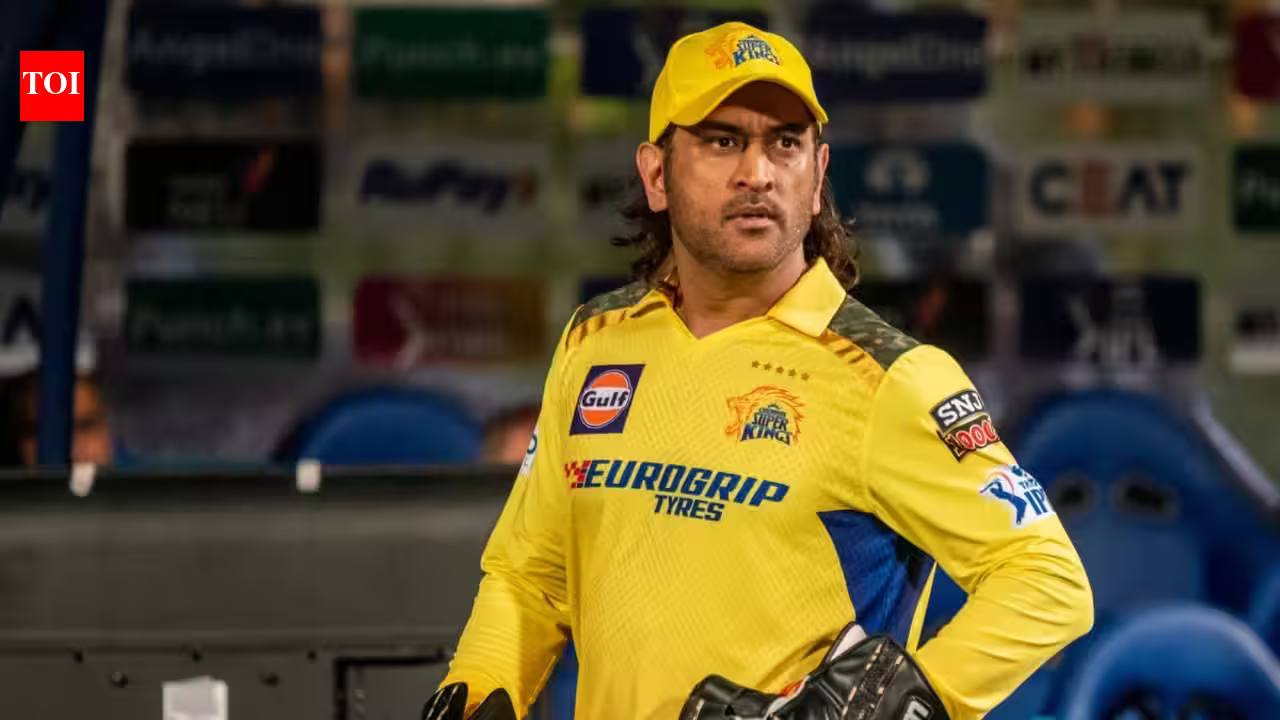
CHAMPIONING a legacy that extends far beyond the boundaries of the cricket pitch, former Indian captain MS Dhoni has issued a stern, heartfelt call to action for the digital-native generations. In a candid appearance alongside legendary writer and lyricist Javed Akhtar, the cricketing icon pivoted from discussing sports strategy to addressing a growing health crisis among Gen Z and Gen Alpha, urging them to break the cycle of sedentary living before it takes an irreversible toll on their long-term well-being.
## A Shift in Perspectives: From Moral Clarity to Physical Vigilance
The event, which served as a platform for an intergenerational dialogue, saw a fascinating exchange between Akhtar and Dhoni. While the conversation initially touched upon the shifting moral landscapes of modern youth, the two icons offered distinctly different lenses through which to view the next generation.
Javed Akhtar, known for his incisive cultural commentary, offered a refreshing defense of today’s youth. He argued that the younger generation possesses a superior moral compass compared to his own, suggesting that the “elder knows best” trope is increasingly outdated. Akhtar noted that previous generations were often blinded by rigid belief systems, whereas young people today demonstrate a commendable capacity for empathy and progressive values. He concluded that his peers might actually have more to learn from the youth than the other way around.
Dhoni, however, while acknowledging the brilliance of the youth, brought the conversation back to a fundamental reality: the human body. As a man who built his illustrious career on the back of immense physical discipline, Dhoni identified a concerning disconnect between the lifestyles of today’s youth and the biological requirements for longevity.
## The Sedentary Trap: A Modern Health Hazard
Dhoni’s critique of modern habits was both factual and sobering. He pointed out that the technological advancements designed to make life “easier”—such as ride-sharing, food delivery apps, and the rise of remote office work—are inadvertently dismantling the physical health of young adults.
“Earlier generations naturally moved around more,” Dhoni noted during the event. “It was part of our routine to move, which inherently helped us digest food and maintain a baseline of health. Today, you can travel from your home to your office without taking a single step, spend eight hours sitting at a desk, and return home in a car. It creates a vacuum of physical activity.”
This “sedentary trap,” as Dhoni alluded, is being exacerbated by a reliance on fast food. He highlighted the intersection of lack of movement and poor nutritional choices, particularly the intake of fried and sugar-laden foods. While the effects of such a lifestyle might remain hidden during the energetic years of one’s twenties, Dhoni warned that the “bill comes due” once an individual crosses the age of 30. He emphasized that the metabolic and structural damage caused by these habits is often cumulative, meaning that the consequences only manifest once they have become significantly more difficult to reverse.
## A Prescription for Longevity: The Dhoni Method
For the man who famously led India to two World Cup victories through calm, methodical planning, his advice for the youth is deceptively simple: re-integrate physical activity into the fabric of daily life. Dhoni is not necessarily advocating for everyone to become a professional athlete, but rather for a fundamental cultural shift where movement is no longer viewed as an optional hobby, but as a non-negotiable hygiene factor for the body.
“Make sports and physical activity a part of your daily routine,” the former skipper urged. “It doesn’t have to be complex. It just has to be consistent.”
The intensity of Dhoni’s delivery reflected a genuine concern for the demographic he has inspired for nearly two decades. His message acts as a sobering reminder that while mental resilience and moral development are vital for navigating the pressures of the modern world, they are best supported by a strong, healthy vessel.
## The Bottom Line for Gen Z
The contrast between Akhtar’s optimism about the youth’s spirit and Dhoni’s concern for their physical future paints a comprehensive picture of the modern experience. We are witnessing a generation that is arguably the most cognitively and socially aware in history, yet simultaneously the most physically compromised.
As technology continues to shrink our physical world, the wisdom shared by one of India’s greatest athletes serves as a crucial wake-up call. The pursuit of success in the office or in the digital space should not come at the expense of one’s fundamental health. Whether through dedicated time in the gym, active sports, or simply choosing movement over convenience, Dhoni’s plea is clear: the most important match you will ever play is the one for your own long-term health.
If the “Captain Cool” of Indian cricket has one final strategic move for the younger generation, it is this: prioritize your fitness today so that you can enjoy the fruits of your success tomorrow. The warning has been issued, and for those watching, the game plan for a healthier life is ready for execution.
Disclaimer: This content is auto-generated for informational purposes only.
Source: Read Original News