





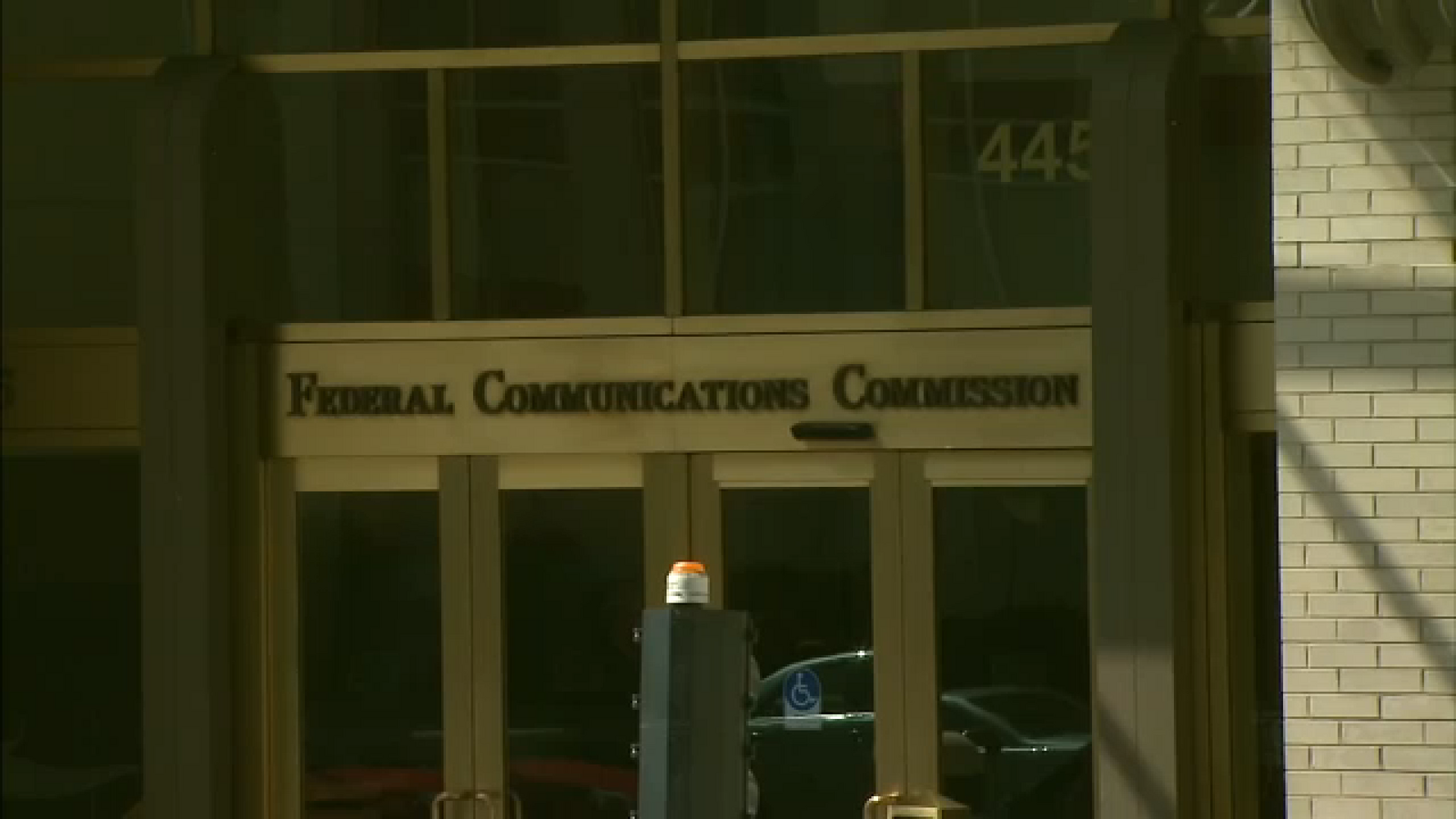
WASHINGTON — The Federal Communications Commission is currently weighing a controversial request that could dramatically alter the landscape of the upcoming midterm elections. A conservative advocacy group, the Club for Growth, has petitioned the FCC to loosen federal restrictions on political robocalls, a move that would permit the use of artificial intelligence-generated and prerecorded voices in unsolicited wireless calls.
Federal law, primarily governed by the Telephone Consumer Protection Act, currently prohibits most automated calls to cellphones without prior consent. The Club for Growth argues that these rules are outdated and infringe upon First Amendment-protected political speech. David McIntosh, president of the group, stated, “Our petition asks the FCC to treat First Amendment-protected political speech the same way it already treats wireless calls about package deliveries, bank accounts, and doctor’s appointments.”
The proposal has drawn sharp criticism from consumer advocacy groups and digital rights organizations, who warn that the timing of the request—potentially to be decided as early as late October—could unleash a flood of deceptive communication just days before Americans head to the polls to decide control of Congress.
Tim Harper, who leads the elections team at the Center for Democracy and Technology, cautioned that a ruling this close to Election Day would create “a huge opportunity for abuse during a period where harm has outsized impact.”
The danger of AI-generated misinformation is not merely theoretical. Two years ago, thousands of New Hampshire voters received a deepfake robocall featuring the AI-generated voice of then-President Joe Biden, which encouraged them to abstain from voting in the primary. While the FCC subsequently ruled that AI voice-cloning in robocalls was illegal, opponents of the current petition fear that a waiver would dismantle these essential protections.
Anna Gomez, the lone Democratic commissioner at the FCC, issued a stark warning against the proposal. “Exempting political calls from the need for consumer consent would supercharge that strategy, and misleading messages could land directly on the handheld phone of nearly every voter in our country,” she said.
Proponents of the change argue that the waiver would allow campaigns to communicate more efficiently, including in multiple languages, and reach a broader segment of the electorate. They contend that the waiver would include guardrails, such as a requirement for opt-out mechanisms and a cap of three calls per 30 days to any single recipient.
However, critics remain skeptical of the commission’s impartiality. The FCC has faced recent accusations of bypassing procedural norms to align with the political agenda of the Trump administration, including an aggressive and early review of broadcast licenses for ABC-owned stations.
With the public comment period closing on October 19, the commission is moving toward a deadline that could fundamentally change how campaigns interact with voters in the final stretch of the election cycle.
Disclaimer: This content is auto-generated for informational purposes only.
Source: Read Original News