






In a significant move to reinforce its commitment to passenger safety and operational integrity, Air India has mandated comprehensive dope testing for all its pilots. This directive comes in the wake of a recent incident where a captain of an Air India flight from Phuket to Delhi tested positive for marijuana. The airline’s new policy extends to pilots of both Air India and Air India Express, with testing commencing immediately.
A formal communication issued to employees by the airline emphasized the mandatory nature of these tests for all pilots. The internal letter, which NDTV accessed, stated, “As you know, Air India already fully complies with all regulatory requirements prescribed by India’s DGCA, which are similar to those practiced in other major aviation jurisdictions including Europe and the United States. We nevertheless now feel that it is important to go further. Accordingly, we have decided to undertake a full screening of all Group pilots for any substances or medications that are not permitted under prevailing regulations.” This proactive stance by Air India aims to surpass existing regulatory standards and instill greater confidence among its passengers and stakeholders.
The airline plans to conduct these screenings at various key locations. Pilots will undergo testing concurrently with their training sessions at the Gurugram Academy, as well as post-flight at Air India’s flight briefing centres and administrative offices. This multi-pronged approach ensures widespread coverage and convenience for the flight crew. Air India reiterated that this initiative is a reflection of its unwavering dedication to maintaining the highest benchmarks of safety and professionalism within the aviation industry. “This initiative, which goes beyond regulatory requirements, reflects our determination to uphold the highest standards of safety and professionalism, and to provide reassurance to our passengers, stakeholders and the community at large,” the airline stated.
For many decades, Air India has been recognized as the flagbearer of Indian aviation. The airline prides itself on the professionalism, skill, and commitment to safety demonstrated by its pilots and other staff, which has garnered the trust of millions globally. This trust, as highlighted by the airline, is its most valuable asset, and protecting it is paramount. The internal communication also acknowledged that many employees had recently expressed similar sentiments regarding the importance of upholding these standards.
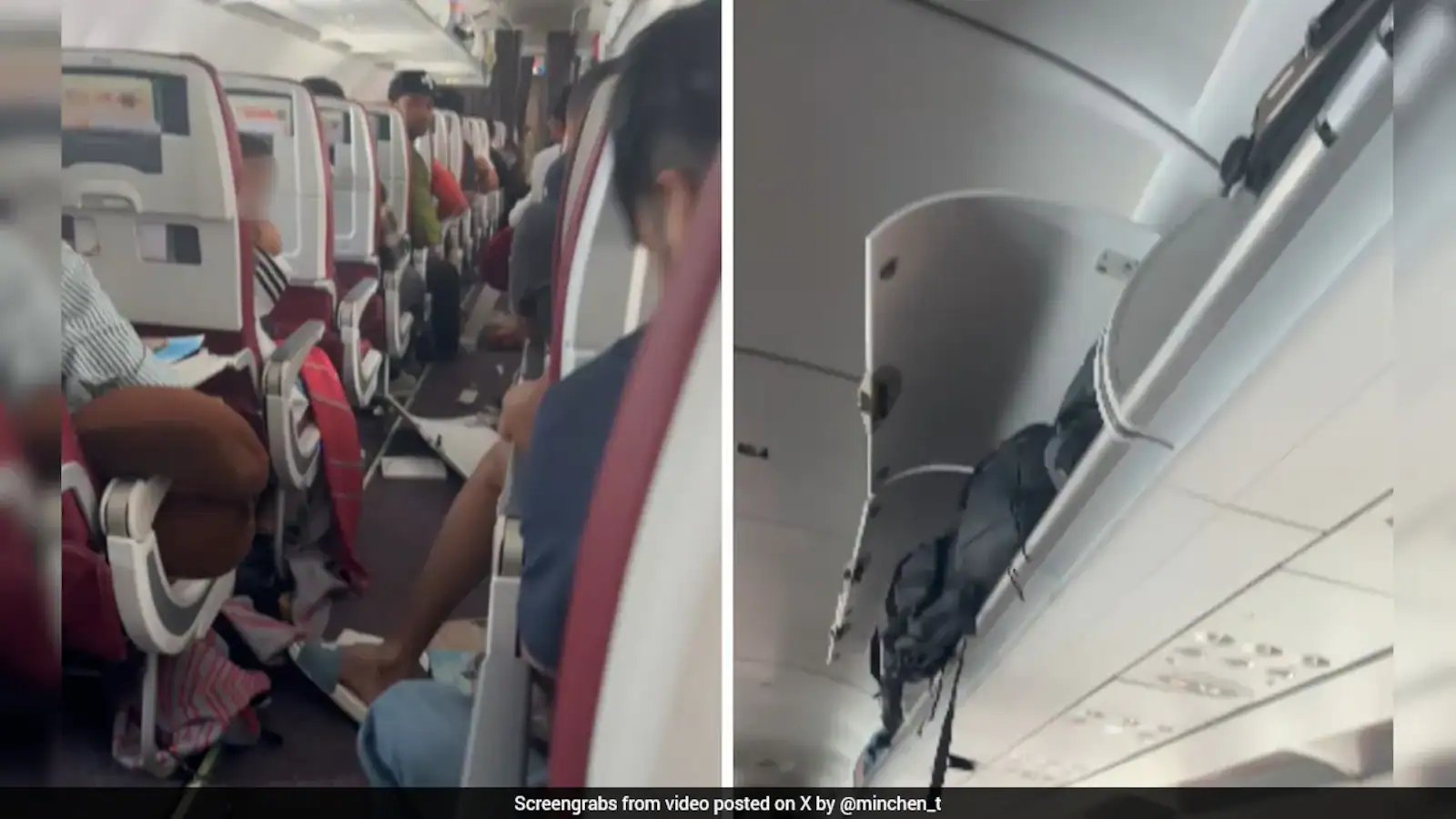
The catalyst for this new comprehensive testing protocol was the incident involving the pilot-in-command of an Air India flight, AI-2379, from Phuket to Delhi. This flight experienced a sudden loss of altitude last week, and the pilot subsequently tested positive for marijuana in two separate drug tests. The incident occurred on August 4th, when the flight, carrying 137 passengers and eight crew members, abruptly dropped approximately 300 feet over Odisha. This sudden event resulted in injuries to at least 20 passengers and four crew members.
An incident report obtained by NDTV revealed critical details surrounding the event. It indicated that Captain Sudeep Vashistha, the pilot, was not in his seat at the time of the altitude loss; the co-pilot was in command of the aircraft. Following the incident, sources indicated that Captain Vashistha entered the cabin to assess injuries and reportedly instructed passengers not to film him or the aircraft. Upon the flight’s landing in Delhi, witnesses described the pilot as unsteady and requiring assistance to sit down. He also reportedly needed physical support from an investigating officer while submitting his urine sample for testing.
In his statement within the airline’s internal flight safety report, Captain Vashistha disclosed that he was on medication for “sleep difficulty.” He further elaborated that “sleep did not come easily” during his layover. “I disclose, for completeness, that I had separately been experiencing sleep difficulty over a preceding period, related to personal circumstances, for which I had been prescribed medication by my family doctor,” Vashistha stated. He also mentioned, “During the layover, I personally attempted rest; sleep did not come easily, and I judged that light activity such as walking would be constructive for sleep quality.” Additionally, he raised concerns about his roster duties, stating that while they were legally within prescribed rest limits, they were scheduled in a manner that “compressed available daytime rest, which is often below the minimum required for adequate recovery.” This incident has clearly prompted Air India to take decisive action to safeguard its operational integrity and passenger well-being.