







Strategic Shifts in Digital Entertainment: Analyzing Nintendo’s Dual-Direct Showcase
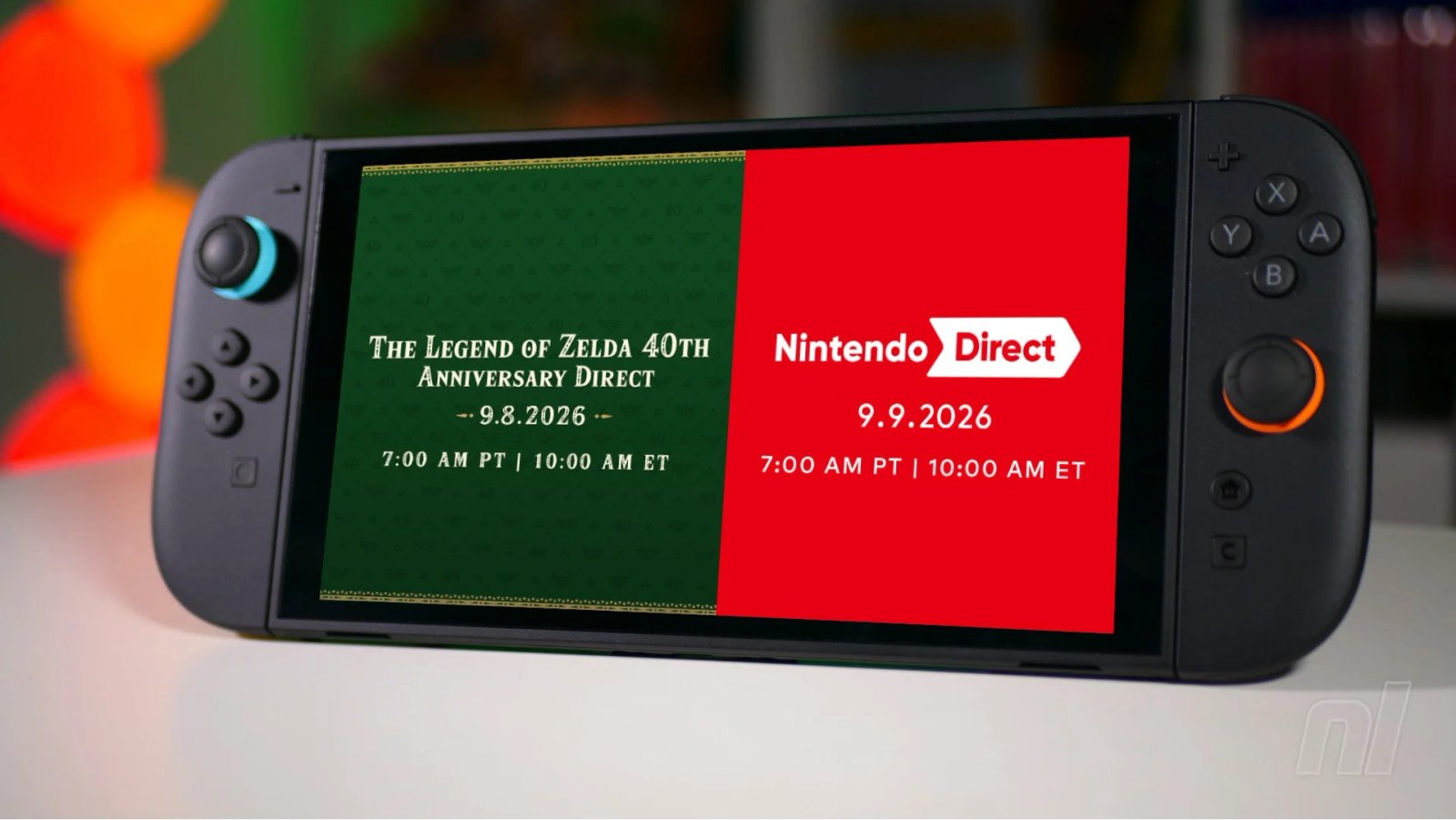
In the ever-evolving landscape of modern Technology, few companies maintain the consistent market influence that Nintendo wields through its meticulously curated direct-to-consumer showcases. The announcement of two consecutive Nintendo Direct events—a dedicated Legend of Zelda 40th Anniversary presentation followed by a comprehensive general showcase—marks a pivotal moment in the current console cycle. This two-pronged approach is not merely a marketing tactic; it represents a sophisticated distribution strategy designed to sustain hardware longevity and capitalize on the immense brand equity of its most storied intellectual property (IP). By segmenting their messaging, Nintendo manages to cater to both the dedicated legacy fanbase and the broader casual gaming market, a balance often difficult to achieve in the fast-paced world of digital entertainment.
The Anatomy of a Nintendo Direct: Infrastructure and Delivery
At its core, a Nintendo Direct is a masterclass in synchronous global streaming. By utilizing high-fidelity video distribution, Nintendo bypasses traditional retail and journalistic bottlenecks to communicate directly with its global consumer base. Technically, these broadcasts function as “state-of-the-market” updates where the company reveals the roadmap for its Software library. The technical implementation of these events relies on massive, distributed content delivery networks (CDNs)—systems of servers located around the world that ensure high-definition content is served with minimal latency, regardless of the user’s geographic location. By hosting a 30-minute deep dive into the Zelda franchise followed by a 45-minute general showcase, Nintendo is leveraging data-driven engagement to maximize audience retention, ensuring that viewers remain tethered to their platform’s ecosystem.
Leveraging Brand Heritage and Future-Proofing
The Legend of Zelda 40th Anniversary showcase is a significant case study in lifecycle management. For an aging hardware platform, revitalizing legacy titles with modern visual fidelity is a primary strategy for sustaining sales. From an analytical perspective, this anniversary event serves as a bridge, keeping the brand relevant while the industry speculates on the inevitable transition to next-generation hardware. Furthermore, the integration of a “Treehouse” presentation—a long-form gameplay demonstration—post-showcase allows the company to provide a granular view of their latest AI-enhanced game mechanics and engine updates. This transparency is crucial; it allows users to experience the actual performance and aesthetic fidelity of upcoming titles, effectively acting as an interactive preview that mitigates the “hype-to-reality” gap often found in modern marketing.
Industry Impact and the Convergence of Entertainment
The broader industry impact of these back-to-back showcases cannot be understated. As the boundaries between cinematic storytelling and interactive gaming continue to blur, Nintendo’s ability to control the narrative via these Directs positions them as a dominant force in the global attention economy. While other sectors of the industry rely on massive, expensive trade shows, Nintendo’s lean, high-frequency digital approach highlights a shift toward agile communication. By providing real-time scheduling for a global audience—staggered from Tokyo to New York—Nintendo ensures a unified cultural moment. This level of synchronization is essential for building “FOMO” (Fear Of Missing Out), a psychological trigger that drives social media engagement and viral marketing, essentially doing the work of a traditional press tour at a fraction of the cost.
Looking Ahead: The Evolution of Digital Showcases
As we look toward the future, the Nintendo Direct model serves as a blueprint for how legacy tech entities should engage with their audiences. We are likely to see more developers adopt this “Direct” format, moving away from large-scale events in favor of targeted, scheduled digital announcements that offer deeper technical insight. Whether these showcases will eventually incorporate interactive elements—such as real-time in-stream demos or augmented reality (AR) integrations—remains to be seen. However, one thing is certain: Nintendo’s ability to turn a simple product update into a global event remains a gold standard in corporate communication. As the industry advances, the focus will undoubtedly shift toward even greater integration, using advanced analytics to tailor these presentations to specific demographics, further cementing Nintendo’s role as an innovator in both gaming and digital distribution.
Source: Read Original News