







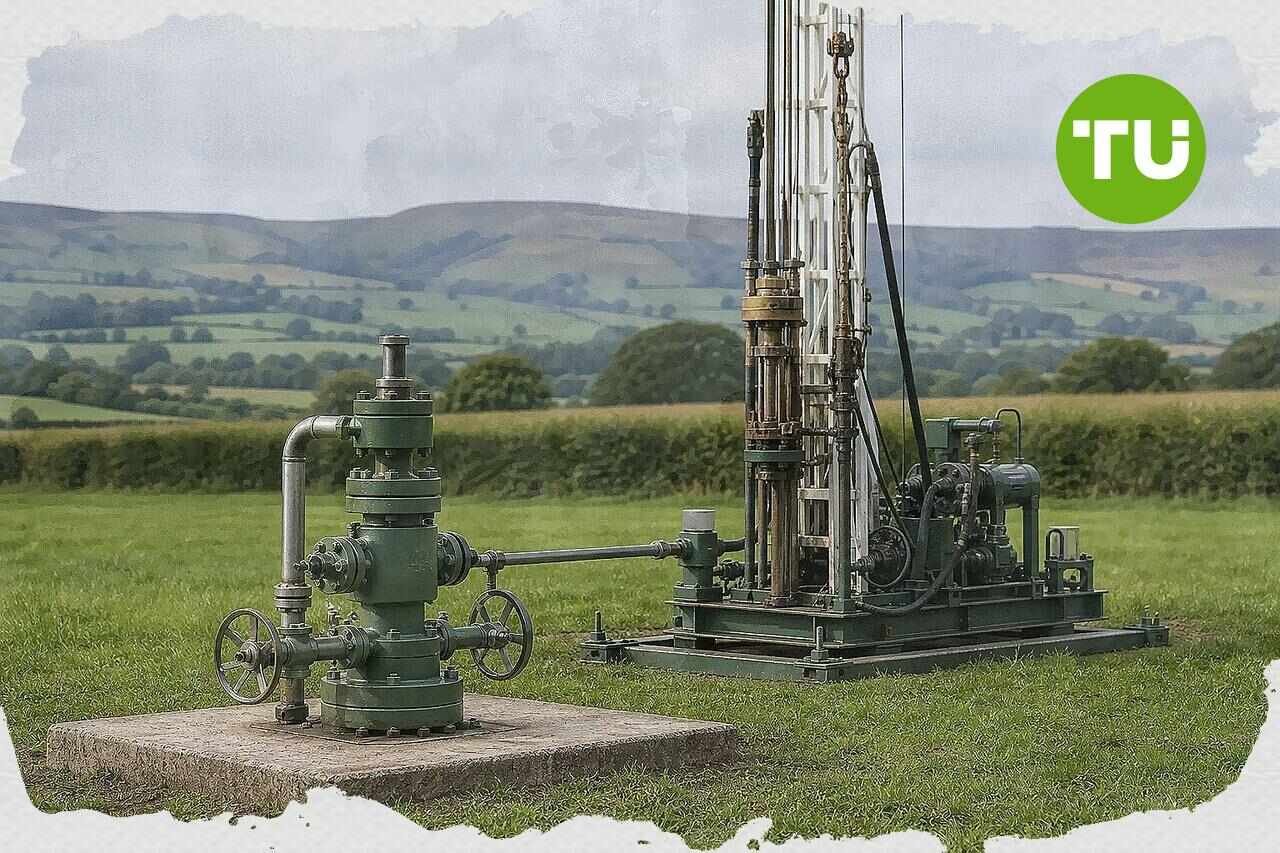
Europa Oil & Gas (Holdings) plc has officially secured the necessary regulatory permit to proceed with its appraisal operations at the Cloughton 2 well site in North Yorkshire. The approval, granted by the North Sea Transition Authority (NSTA), marks a significant milestone in the company’s ongoing efforts to evaluate the hydrocarbon potential of the region. This development signals a transition from preliminary site preparation to active exploration, as the operator looks to better understand the reservoir characteristics within the permit area.
The Cloughton field, situated within the PEDL343 license, has long been a focal point for geological assessment. According to the company’s technical disclosures, the primary objective of the Cloughton 2 appraisal is to gather critical data on the flow rates and gas volumes present in the reservoir. To facilitate this testing, Europa Oil & Gas is planning a “proppant squeeze”—a specialized stimulation technique designed to improve the permeability of the rock formation, thereby allowing hydrocarbons to flow more freely to the wellbore.
The application of a proppant squeeze, while technically standard in the oil and gas industry, involves injecting a fluid mixed with small granular particles (proppants) under high pressure to hold open fissures within the geological strata. This process is instrumental in assessing the economic viability of low-permeability reservoirs. For Europa, the outcome of this appraisal will be a decisive factor in determining whether the field can be brought into commercial production.
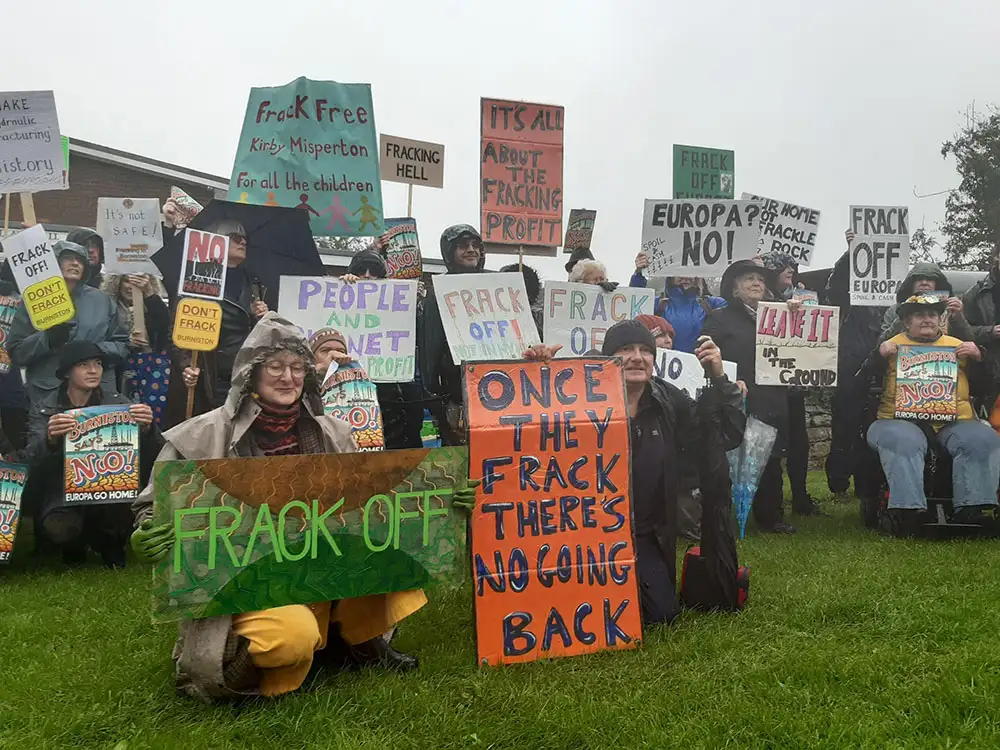
However, the advancement of the Cloughton project has historically faced scrutiny from environmental advocacy groups and local stakeholders. The North Yorkshire region has been a recurring landscape for debate regarding the impacts of onshore fossil fuel extraction. Concerns primarily revolve around the potential for groundwater contamination, induced seismic activity associated with high-pressure stimulation, and the broader implications of expanding hydrocarbon infrastructure in the context of the United Kingdom’s transition toward net-zero emissions.
In response to these concerns, the regulatory framework governing the site remains stringent. Europa Oil & Gas is mandated to adhere to a comprehensive suite of environmental permits and monitoring requirements set forth by the Environment Agency and the local planning authority. These protocols necessitate constant oversight of air quality, noise levels, and the integrity of well construction to ensure that operations remain within established safety margins. The company has maintained that its activities are conducted in full compliance with these regulatory standards and that it employs industry-best practices to mitigate environmental risks.
The broader context for this permit approval reflects the ongoing tension in the UK energy sector. While the government has signaled a move away from new North Sea licenses, onshore exploration projects that were initiated prior to current policy shifts continue to navigate the regulatory pipeline. For the stakeholders involved in the Cloughton project, the upcoming appraisal is seen as a necessary step to prove the field’s resource capacity. Conversely, for environmental organizations, the project serves as a reminder of the reliance on domestic fossil fuel exploration and the perceived disconnect between such endeavors and the country’s climate change commitments.
As Europa Oil & Gas mobilizes equipment and prepares for the intervention at Cloughton 2, the industry will be watching closely. The results of the flow testing and the effectiveness of the proppant squeeze will provide the data needed to evaluate the field’s potential. Should the appraisal prove successful, it could pave the way for a formal development application. If the results are underwhelming, it may prompt a reassessment of the viability of similar onshore assets in the region.
For now, the focus shifts to the technical execution of the appraisal. The company has committed to transparency regarding its operational schedule and expects to provide updates to shareholders and the public once the results of the stimulation and flow tests have been analyzed. The progress at Cloughton serves as a case study for the challenges and technical requirements inherent in modern onshore exploration within the UK.
Disclaimer: This content is auto-generated for informational purposes only.
Source: Read Original News