








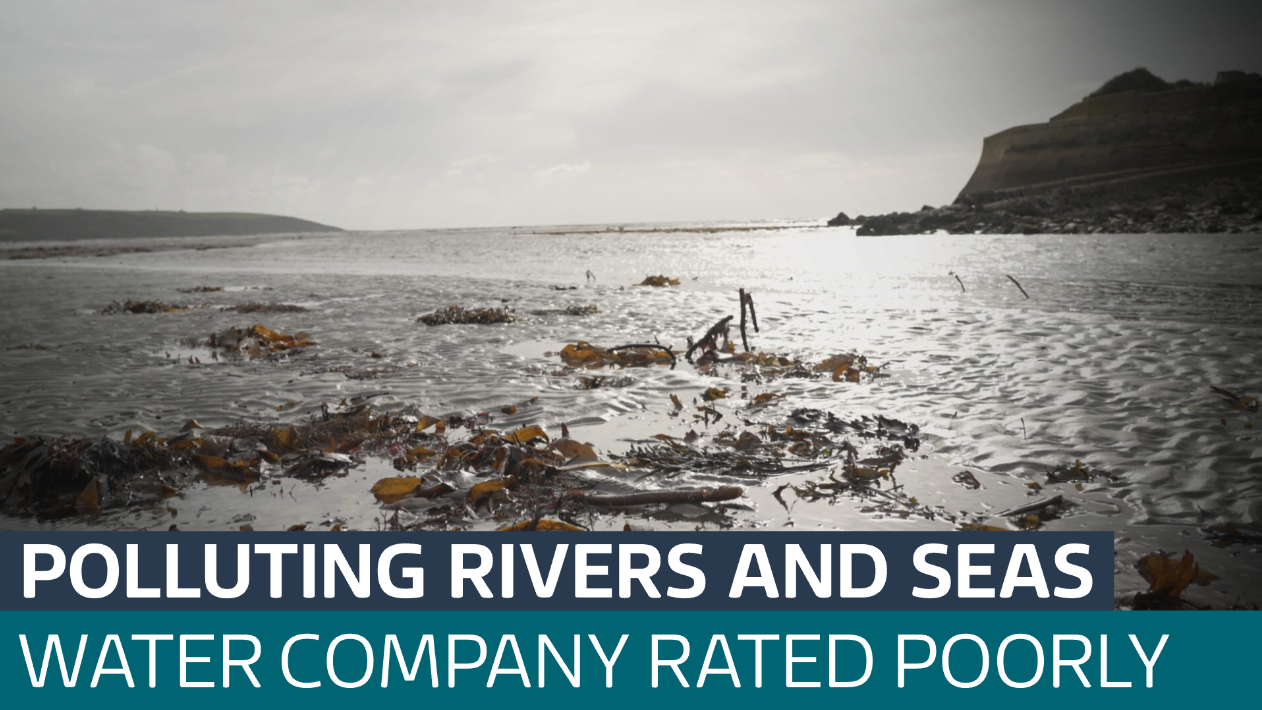
The Environment Agency has officially downgraded a major utility firm to a one-star rating—the lowest possible rank in the regulator’s annual environmental performance assessment. This decline from a two-star rating reflects growing concerns regarding the company’s impact on natural ecosystems and its failure to meet stringent regulatory standards.
The classification, which evaluates water companies on a scale of one to four stars, serves as a critical indicator of a firm’s commitment to pollution prevention and infrastructure maintenance. A one-star rating signals that a company requires “significant improvement,” a status that often triggers heightened regulatory scrutiny and the potential for severe financial penalties.
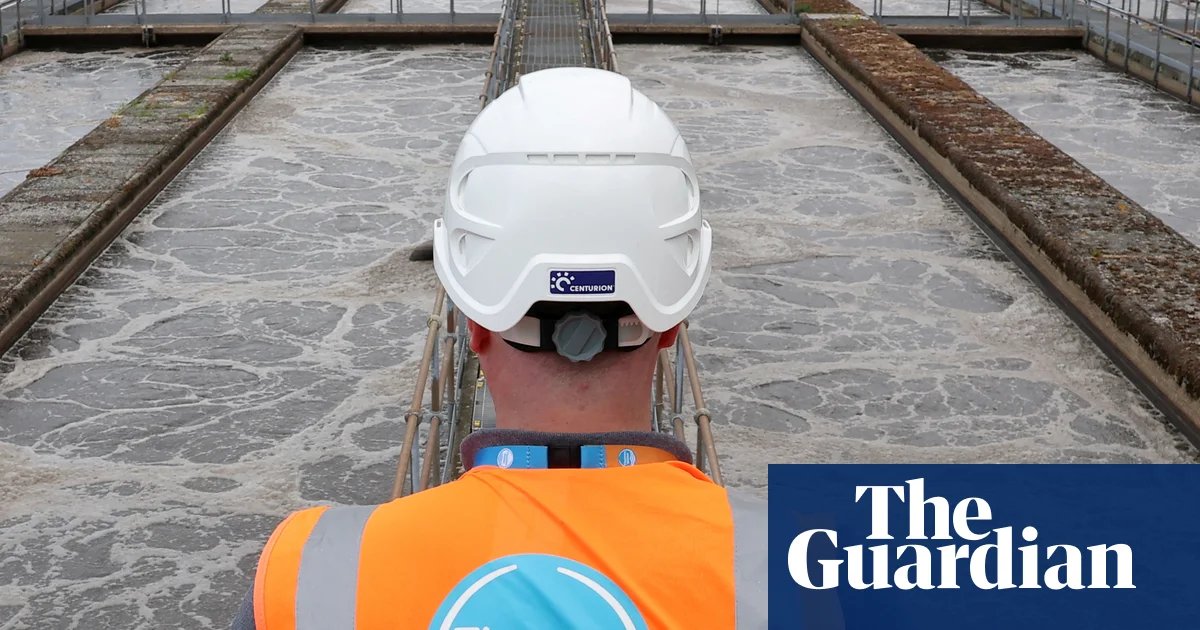
The downgrade follows a series of incidents that have drawn criticism from environmental groups and the public alike. Analysts suggest the demotion is largely driven by a rise in unauthorized sewage discharges and failures in operational oversight, which have compromised the health of local waterways. Despite repeated warnings from the Environment Agency regarding aging infrastructure and chronic capacity issues, the firm has struggled to demonstrate the necessary progress required to mitigate its environmental footprint.
“Environmental performance is not merely a box-ticking exercise; it is a fundamental requirement for protecting our rivers, coastlines, and biodiversity,” a spokesperson for the Environment Agency stated. “When a company falls to a one-star rating, it demonstrates a systemic failure to prioritize the ecological health of the regions they serve.”
For the affected company, the downgrade carries significant consequences beyond reputational damage. Under the current regulatory framework, firms failing to meet performance targets may face restricted dividends and mandated investment programs, effectively forcing them to divert capital toward infrastructure upgrades rather than shareholder returns. Industry observers note that the company is now likely to be subject to a bespoke performance improvement plan, which will require frequent progress reporting and increased monitoring of its treatment assets.
Environmental advocacy groups have reacted to the news with a mixture of vindication and urgency. Many have long argued that the penalties imposed on water companies have historically been insufficient to deter negligence. “This downgrade confirms what local communities have been witnessing for some time,” said a representative from a national water conservation group. “The data shows that existing infrastructure is woefully inadequate for current demands, and the cost of inaction is being paid by the environment.”
The utility firm has acknowledged the assessment, citing the challenges of managing historical infrastructure against the backdrop of increased severe weather events and population growth. In a brief statement, a company spokesperson expressed regret over the rating, noting that they are “fully committed to working closely with the Environment Agency to address the areas identified for improvement and to restore the trust of our customers.”
As the company prepares to implement a revised strategy, the focus will now shift to whether these operational changes can produce measurable results before the next annual assessment. For the millions of residents served by the firm, the one-star rating is a stark reminder of the complex task of modernizing essential utility systems while balancing the immediate and long-term needs of the environment.
Disclaimer: This content is auto-generated for informational purposes only.
Source: Read Original News