





At 1:26 am on 19 July 2012, satellite imagery captured an anomaly in the remote reaches of the Pacific Ocean, 1,000 kilometers north-east of New Zealand. A distinct vapour plume rose from the water’s surface, accompanied by the rapid expansion of a mysterious, massive grey-brown slick. Scientists soon determined that they were witnessing the aftermath of an extraordinary geological event: a major volcanic eruption occurring deep beneath the ocean waves.
The spreading “morass” was, in fact, a gargantuan raft of floating debris ejected from the Havre Seamount, a submarine volcano previously known to researchers only through sonar mapping. In a single day, the eruption spewed enough material to cover 400 square kilometers with a layer of pumice reaching 3.5 meters in depth. It is currently considered the largest deep-water volcanic eruption ever recorded.
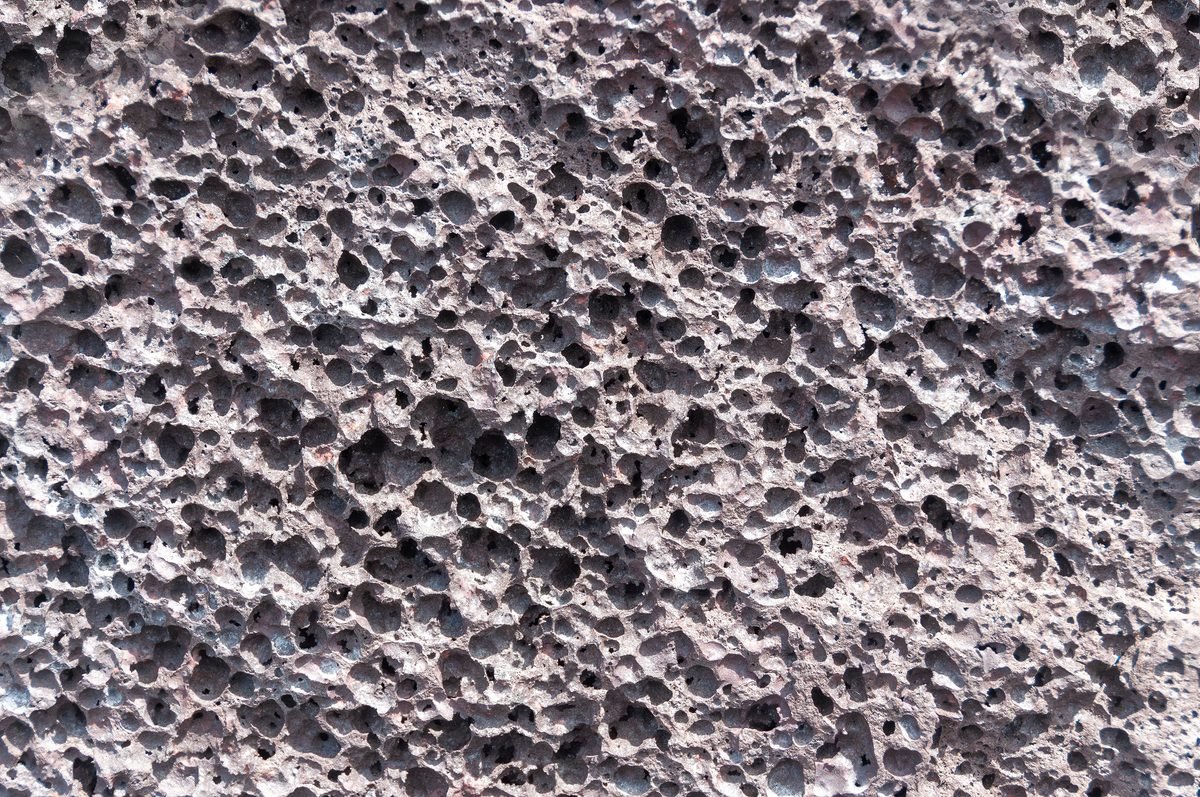
Pumice, a lightweight, highly porous igneous rock, is formed during violent volcanic eruptions when molten material is ejected under extreme pressure. As the rock cools and depressurizes rapidly, gases become trapped within, creating a frothy, bubble-like texture that allows the solid stone to float effortlessly.
The Havre Seamount is situated along the Kermadec Arc, a volatile geological boundary where the Pacific Plate subducts beneath the Indo-Australian Plate. As the oceanic crust sinks into the Earth’s mantle, water and other volatile compounds are dragged down with it, fueling the intense volcanic activity that characterizes this region. Post-eruption sonar surveys revealed that the event fundamentally altered the seamount, leaving behind a distinct new cone rising from a caldera that measures between 4.5 and 5 kilometers in diameter.
As winds and ocean currents dispersed the initial mass, the pumice raft fractured into smaller rafts and long, serpentine ribbons, eventually blanketing over 550,000 square kilometers of the Pacific. While the sheer scale of the event was a marvel of nature, it posed significant risks to maritime activity. Pumice fragments can easily clog seawater intake systems responsible for cooling vessel engines or cause mechanical damage to propellers. Such hazards have been documented in more recent years, including the 2021 eruption of the Fukutoku-Okanoba volcano near Japan, which caused widespread disruption to fisheries, tourism, and harbor operations across Japan and the Philippines.
Eventually, the Havre pumice began to dissipate. While much of the material absorbed water and sank to the sea floor, some washed up on the shores of New Zealand, Australia, and various Pacific islands. It is likely that isolated fragments remain adrift in the open ocean to this day.
Beyond the hazards, these rafts serve as unintentional biological vessels. Studies have shown that floating pumice rapidly becomes colonized by microbes, algae, and eventually, more complex organisms such as barnacles, snails, crabs, and bryozoans. These “biological rafts” act as living bridges, potentially carrying organisms across vast oceanic distances to new habitats. Some researchers hypothesize that these rafts could even play a role in ecological restoration, perhaps transporting coral larvae to depleted reefs and aiding in their recovery.
The history of these rafts may also explain persistent nautical myths. For years, “Sandy Island” appeared on maps in the Coral Sea, only to be proven non-existent by an Australian research vessel in 2012. Many experts now conclude that the original reports of this “island” were likely sightings of ephemeral pumice rafts—massive, floating reminders of the violent, creative forces shaping the ocean floor.
Disclaimer: This content is auto-generated for informational purposes only.
Source: Read Original News