




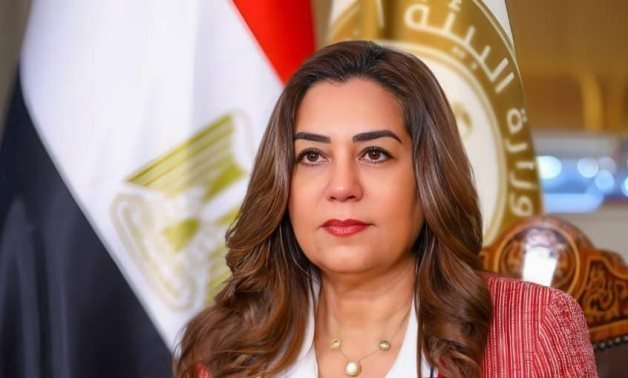
CAIRO – As the international community prepares for the upcoming UN Climate Change Conference (COP31), Egypt is solidifying its strategic position. Dr. Manal Awad, Minister of Local Development and acting Minister of Environment, recently convened a high-level coordination meeting with Egypt’s climate change negotiating delegation to finalize the country’s agenda ahead of the summit. The conference is set to take place in Antalya, Türkiye, from November 9 to 20, 2026.
The delegation, a cross-disciplinary team comprising representatives from the ministries of Foreign Affairs, Local Development, Environment, Electricity, Investment, Agriculture, Industry, and Higher Education and Scientific Research, alongside members of the Central Administration for Climate Change, is tasked with representing Egypt’s interests on the global stage. The meeting served as a critical forum to align national priorities with the complex technical agenda expected in Antalya, focusing on pillars such as climate change adaptation, ambitious emissions reduction, a “just transition” for developing economies, and the mobilization of climate finance.
During the discussions, Dr. Awad reviewed the ongoing preparations conducted in close synergy with the Ministry of Foreign Affairs. A primary focus of the deliberations was the implementation of the Paris Agreement, particularly the rigorous requirements surrounding Nationally Determined Contributions (NDCs). Ambassador Wael Aboul-Magd, a prominent voice in the delegation, emphasized that these contributions—submitted on a five-year cycle—are vital to tracking global progress. Furthermore, the delegation focused on the importance of the mitigation work programme and the initiation of preliminary preparations for the second Global Stocktake, an essential process for assessing the world’s collective success in meeting the temperature goals established by the Paris Agreement.
A significant outcome of the planning process is Egypt’s proactive approach to human capital development. Dr. Saber Osman, Assistant to the Minister for Sustainability and Social Responsibility, announced that the government has allocated specific funding under its investment plan to train a new generation of climate experts. This capacity-building initiative, developed in partnership with the Diplomatic Institute, is designed to create a “second tier” of negotiators. By preparing these young professionals, Egypt aims to strengthen its technical depth and ensure a robust, long-term presence in complex climate negotiations.
“The goal is to expand the team’s expertise and enhance our operational efficiency,” Dr. Osman stated, noting that the initiative will launch in the near future. This investment in human expertise is viewed as a necessary step to navigate the technical dossiers that increasingly dominate international climate diplomacy.
Beyond capacity building, the delegation reached a pivotal milestone regarding domestic policy. Dr. Osman confirmed that Egypt’s third Nationally Determined Contributions (NDC) report has been finalized. The document is currently awaiting formal approval from the Supreme Committee of the National Council for Climate Change. This report will serve as the cornerstone of Egypt’s commitments and technical positions when delegation members arrive in Antalya.
As COP31 approaches, the coordination meeting underscored a shift toward greater integration between national development planning and international climate commitments. By prioritizing transparent reporting frameworks and investing in specialized human resources, Egypt seeks to ensure that its delegation is fully equipped to influence global climate policy while securing the support necessary for its own national sustainability goals. The upcoming assembly in Türkiye will test the efficacy of these preparations as nations face the growing pressure to turn climate pledges into tangible, large-scale implementation.
Disclaimer: This content is auto-generated for informational purposes only.
Source: Read Original News