





India Emerges as Global Hub for Illicit Exotic Animal Trade Following Rare Orangutan Seizure
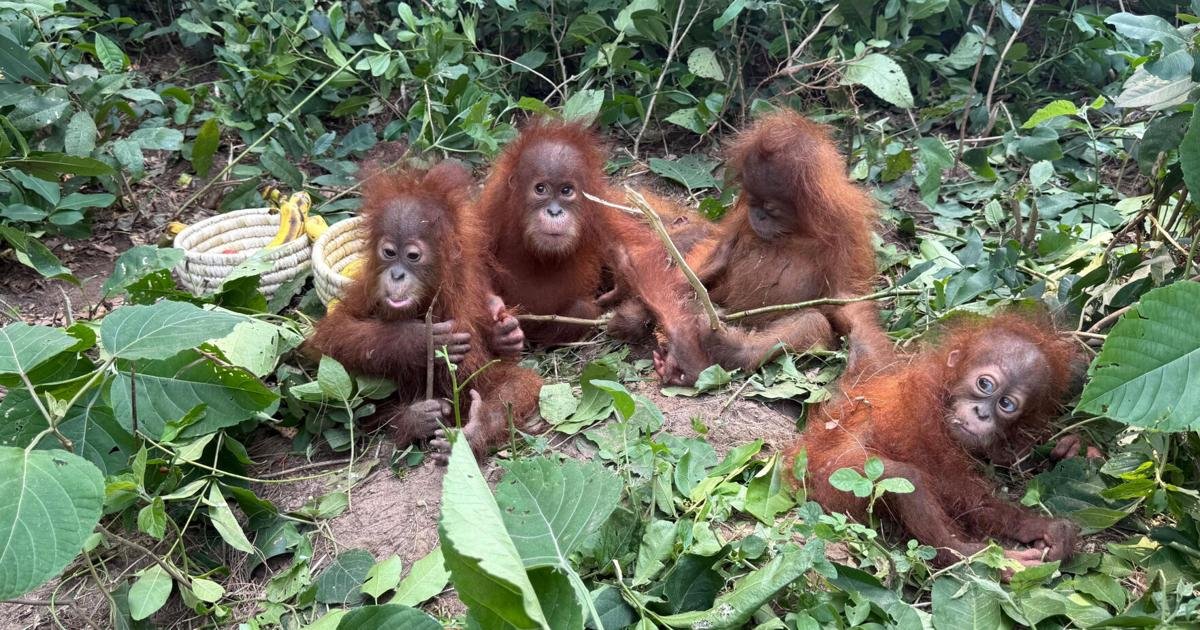
The discovery of five infant orangutans in a casuarina forest in Odisha last September has sounded a fresh alarm regarding India’s role as a burgeoning marketplace for trafficked wildlife. The three males and two females, all under eight months old, were found thousands of miles from their native habitats in Borneo and Sumatra, serving as a stark illustration of the sophisticated smuggling networks targeting wealthy collectors in India.
The infants, currently housed in a local zoo where keepers use classical music to reduce their trauma, represent a global crisis. The illegal wildlife trade, estimated to be worth $34 billion annually, has increasingly pivoted toward the Indian subcontinent, where rare primates are frequently marketed as high-end “status symbols.”
Regulatory Gaps and the Exotic Pet Loophole
Experts point to significant flaws in Indian law that have inadvertently encouraged this trade. While domestic legislation has long focused on protecting indigenous species like rhinoceroses and tigers, the framework for managing non-native animals remains porous.
The crisis escalated in 2020 when the government allowed citizens to register exotic animals without requiring proof of origin—a move intended to monitor potential zoonotic disease risks during the pandemic. However, the policy has effectively served as a shield for illicit traders, who can now misrepresent trafficked animals as legally registered pets.
“India has become the number one destination for the live trade of primates,” noted Sinan Serhadli of the Orangutan Information Centre. Despite legislative tightening in 2022 aimed at increasing seizure and prosecution powers, researchers argue that the “floodgates” for illegal imports had already been opened, leaving authorities struggling to track the movement of endangered species.
Expanding Routes and High-Stakes Smuggling
The surge in trade is fueled by improved regional connectivity. As tourism expands across Southeast Asia, smugglers have utilized faster air routes through major transit hubs like Bangkok and Kuala Lumpur. According to wildlife trafficking researcher Uttara Mendiratta, the profit margins associated with rare, critically endangered species are so lucrative that traffickers can afford the loss of individual animals during transit and still remain highly profitable.
Indonesia’s Ministry of Forestry has launched an initiative to repatriate the five orangutans found in Odisha, sending specialists to verify their origins and address their critical health needs. These infants, whose mothers were likely killed during capture, require years of rehabilitation, a process that is as difficult as it is expensive.
Scrutiny Over Private Facilities and Rare Species
The trade has also drawn international focus toward the Vantara wildlife facility, a massive 3,500-acre enclosure owned by the family of billionaire Mukesh Ambani. Vantara has faced intense scrutiny from international organizations regarding its acquisition of foreign species, including snow leopards from Germany and a bonobo reportedly sourced from Iraq.
Of particular concern to conservationists is the presence of a Tapanuli orangutan within the facility—a species recognized only since 2017 with fewer than 800 individuals remaining in the wild. While Vantara maintains that the animal was imported legally, global wildlife authorities have struggled to clarify the chain of custody.
With Indonesia now investigating reports of the Tapanuli’s status outside its borders, the case highlights the complex, often opaque intersection of private ownership, international trade regulations, and the catastrophic loss of global biodiversity. As India continues to balance its regulatory systems against the pressures of an organized, profit-driven underworld, the future of these critically endangered primates remains uncertain.
Disclaimer: This content is auto-generated for informational purposes only.
Source: Read Original News